Why Is The Water Brown

So, you’re standing on the riverbank, staring at what looks like a giant cup of iced tea, and you think, “Why is the water brown?” Welcome to the club! It’s a question that’s...
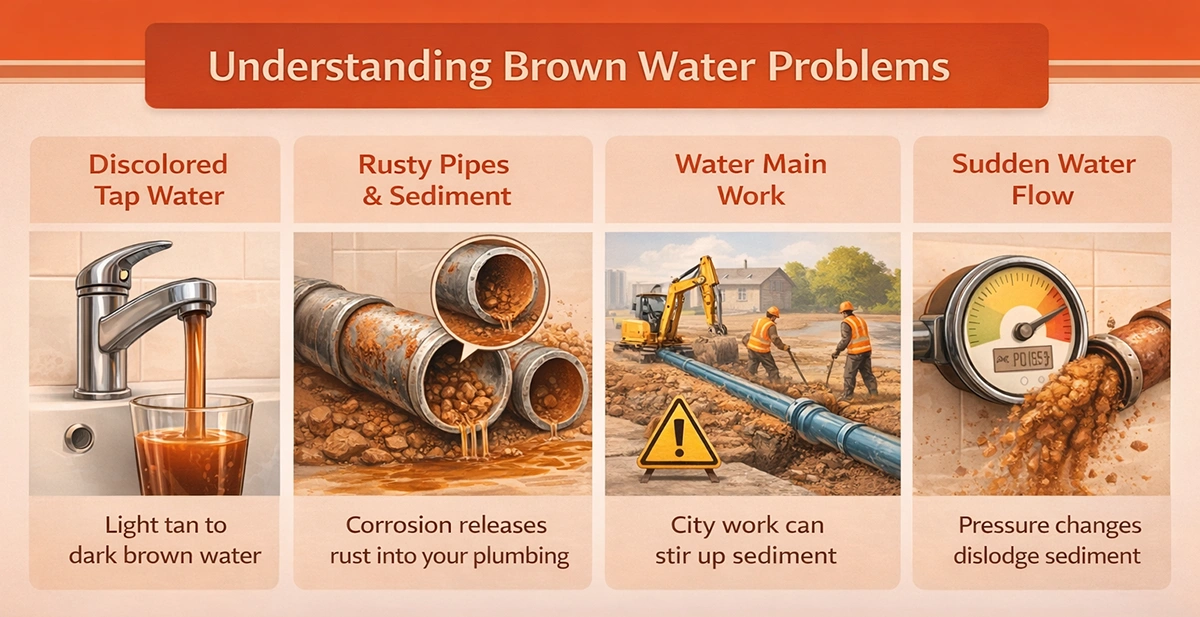
So, you’re standing on the riverbank, staring at what looks like a giant cup of iced tea, and you think, “Why is the water brown?” Welcome to the club! It’s a question that’s baffled kids, hikers, and confused tourists for centuries.
First, let’s clear up one thing: that water is not dirty. I know, I know—brown water looks like the last sip of coffee from a forgotten mug. But trust me, it’s usually just nature being a little messy, in the best way possible.
The Secret Ingredient: Tannins
Imagine if your grandma’s tea bag took a dip in a mountain stream. That’s basically what’s happening. Leaves, bark, and fallen trees all contain tannins—the same compounds that make black tea brown.
Must Read
When it rains, water flows through decomposing plant matter, picking up those tannins like a sponge. The result? Water that’s technically crystal clear, but looks like it’s been steeped for an hour. No sugar, please.
It’s totally natural, and actually, these tannins help keep the water healthy by blocking bacteria. So next time you see brown water, thank a decaying leaf—nature’s weirdest hero.
Mud: The Swirling Party Guest
Now, sometimes the culprit is sediment—fancy science-speak for dirt. After a heavy rain, soil gets washed into rivers and lakes, turning them the color of a chocolate milkshake.
This happens a lot in rivers with fast currents, like the Missouri River (which locals lovingly call “the Big Muddy”). It’s not pollution; it’s just the river carrying its lunch downstream. And that sediment? It’s superfood for aquatic life, feeding bugs and fish alike.
So yes, your favorite swimming spot might look like a puddle after a thunderstorm, but it’s actually a vibrant, living ecosystem. You’re welcome, minnows.
 What Does It Mean If You Have Brown Water
Iron: The Rusty Rival
Ever see a river that looks like it’s blushing a rusty orange? That’s iron oxide—basically nature’s version of an old, abandoned truck. When groundwater runs through iron-rich rocks, the water oxidizes and turns distinctly brown.
It’s harmless to breathe (no, really, you won’t turn into Wolverine), but it can stain your clothes forever. Pro tip: don’t wear white jeans near an iron-heavy creek. I learned that the hard way, and my yoga pants now look like abstract art.
Iron-rich water is also a sign that the landscape is ancient. That rusty color? That’s geology showing off its red carpet. Literally.
Peat: The Swamp’s Dark Secret
In bogs and wetlands, the water gets its brown hue from peat—a spongy, plant-based material that’s been decomposing for thousands of years. Think of it as the world’s oldest, most stubborn coffee filter.
Peat water is so full of organic matter that it can look like black tea. People in Scotland actually drink whiskey aged in peat-smoked barrels, and that brown water is exactly why. Slàinte!
And here’s a fun fact: peat bogs preserve things incredibly well. Scientists have found ancient bodies in bogs that look like they just took a nap—because the tannic acid prevents decay. So, brown water? It’s like a time machine, but wetter.
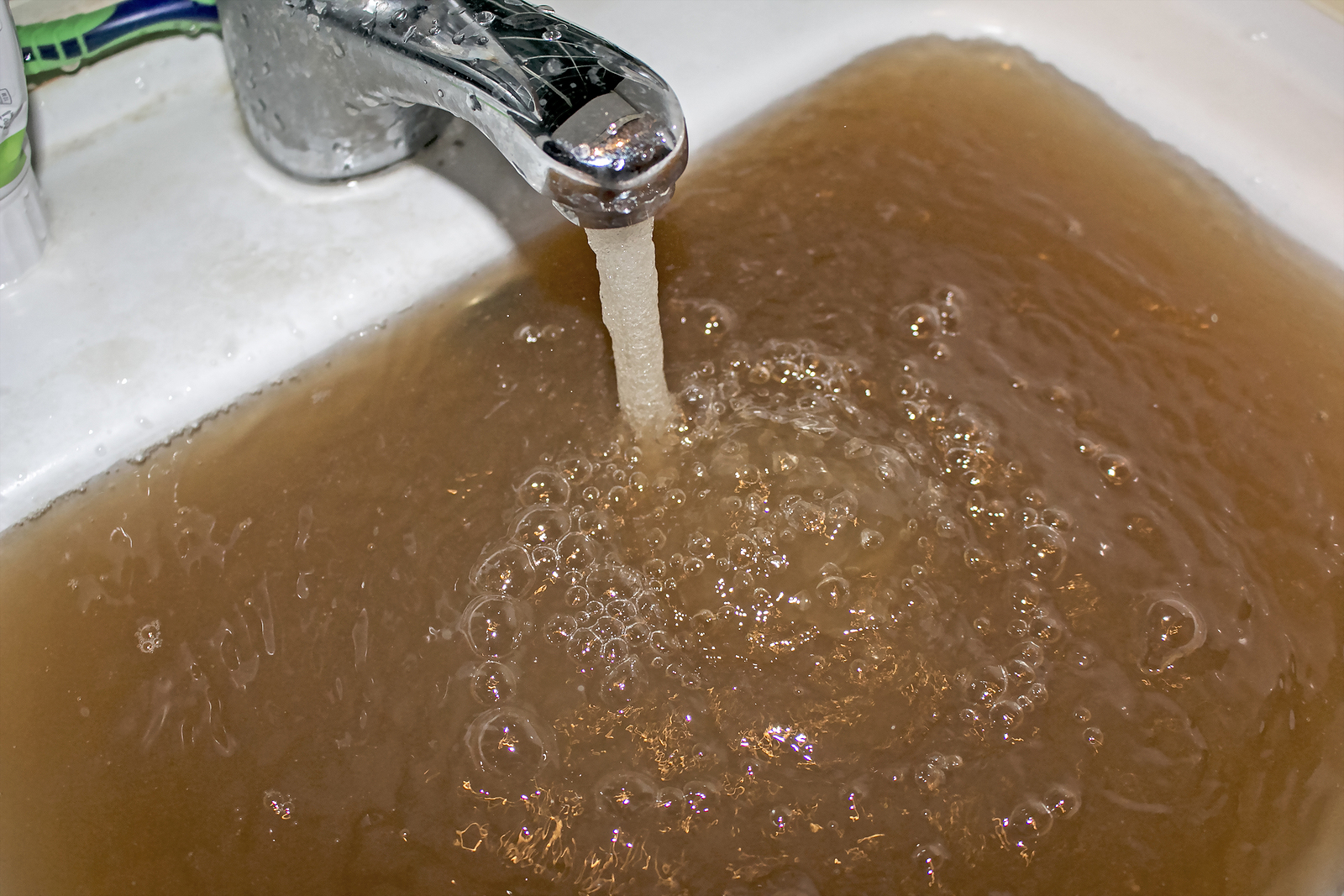 Why Is The Water In Texas Brown at John Moris blog
Wait, Is It Ever Bad Brown Water?
Okay, let’s be real: not all brown water is a nature hug. If you’re looking at water that’s opaque, smells like a sewer, or has suds on top, that’s a red flag. Pollution can turn water brown too—from industrial runoff, algae blooms, or—ew—sewage.
But here’s the easy test: if it looks like tea and smells like earth, it’s fine. If it looks like a mud puddle in a city parking lot, give it some side-eye. Your nose is smarter than you think.
Most of the time, though, brown water is just nature’s way of saying, “I’m alive, I’m messy, and I’m thriving.”
The Uplifting Truth
So why is the water brown? Because the world is full of trees, soil, minerals, and life. Every drop of brown water has a story—a leaf that fell, a rock that crumbled, a fish that loves the shade.
Next time you see a chocolate river (not the one from Willy Wonka, sorry), don’t scrunch your nose. Smile. That water is evidence that the planet is working its magic. It’s filtering, feeding, and thriving—all while looking like a cosy cup of cocoa.
And hey, if you ever doubt yourself, just remember: you are a tiny, walking bag of brown water too. Your blood is red, your tea is brown, and your soul is full of wild, muddy wonder. Drink up, friend—the earth is just giving you a hug, one tea-colored river at a time. 🌲💧
