Does Water Ever Go Bad

You know that glass of water you left on the nightstand two nights ago? It looks fine, right? Crystal clear, no floaties, no smell. But you take a sip, and there it is: that f...

You know that glass of water you left on the nightstand two nights ago? It looks fine, right? Crystal clear, no floaties, no smell. But you take a sip, and there it is: that flat, stale, vaguely dusty taste. So, does water actually go bad, or is that just your imagination playing tricks?
The short answer is yes, water can go bad, but not in the way milk or leftover pizza does. Pure H₂O molecules don’t rot or spoil. What actually changes is the water’s environment—the container, the air, and the microscopic life that moves in after you leave it alone.
The Chemistry of Stale Water
That “stale” taste in your overnight glass? Blame carbon dioxide. When water sits out, CO₂ from the air dissolves into it, forming a tiny bit of carbonic acid. That’s what drops the pH slightly, making it taste flatter and slightly more acidic.
Must Read
Think of it like a soda that went flat—without the fizz, you notice the underlying minerals. Tap water has dissolved minerals like calcium and magnesium, and once the chlorine or oxygen dissipates, those minerals become the star of the show.
Fun fact: In classical Rome, Pliny the Elder recommended boiling rainwater and storing it in silver vessels to keep it “sweet.” He was onto something, even if his methods were a bit extreme.
When Does Water Actually Go Dangerous?
Here’s where the bad part comes in. If you leave an open glass of water out for more than a day or two, dust, bacteria, and even tiny insects can find their way in. Your mouth introduces microbes every time you take a sip, and those little guys multiply happily in stagnant water.
The risk is low for most healthy people—think of it like a microscopic house party. But if you have a compromised immune system, that party could turn into a riot. Always cover your water if you plan to reuse it later.
Bottled water has a printed expiration date, but that’s mostly about the bottle, not the water. Plastic degrades over time, leaching chemicals like BPA. The water might still be safe to drink, but it won’t taste like a mountain spring.
Cultural Wisdom on Water Freshness
Japanese culture has a beautiful concept called “mizumoto”—the art of treating water as a living element. Traditional tea masters insist that water for tea must be drawn fresh from the source, as “sleeping water” loses its vitality. They’re not wrong.
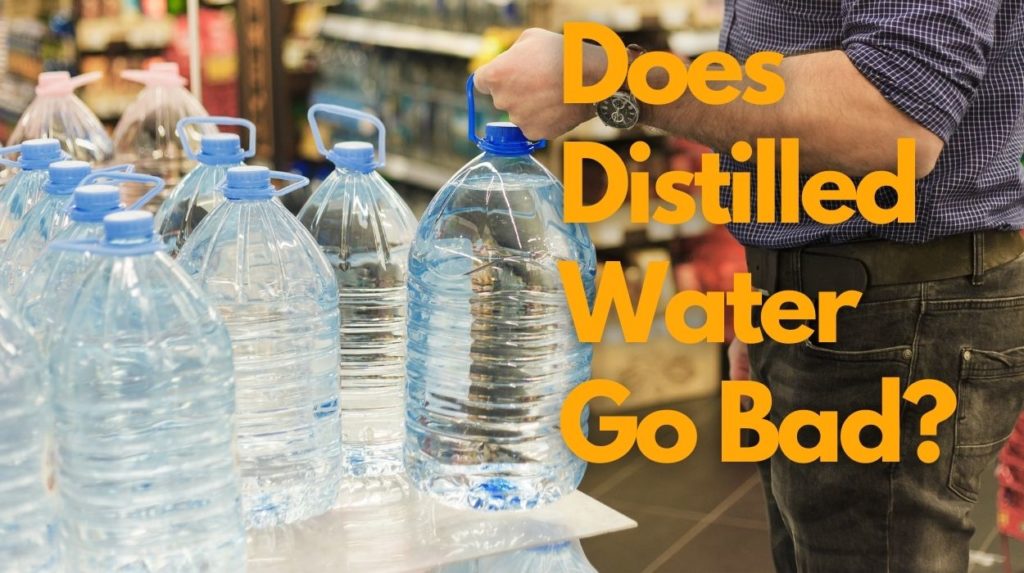 Does Distilled Water Go Bad? What Is The Shelf-Life, Spoilage Signs
In many Middle Eastern homes, water is kept in clay pots (called matka or zeer). The porous clay naturally cools the water and allows slow aeration, which actually helps maintain freshness for a day or two. It’s low-tech genius.
Ever notice how water tastes different from a copper cup? That’s not a gimmick. Copper has natural antimicrobial properties, which is why some cultures have used copper vessels for centuries to keep water safer longer.
Practical Tips for Everyday Hydration
Tip one: If you want that glass of water to taste fresh tomorrow, cover it. A saucer, a lid, even a piece of beeswax wrap—anything that keeps dust and airborne bacteria out. Your future self will thank you.
Tip two: Keep a dedicated water bottle that you wash every day. Metal or glass is best; plastic can harbor odors and microbes in those tiny scratches. And yes, that includes your fancy stainless steel bottle.
Tip three: Add a slice of lemon, cucumber, or a few mint leaves for flavor—but only if you plan to finish it within a few hours. Those add-ins actually accelerate bacterial growth because they introduce sugars and organic material.
Pro move: If your tap water tastes like chlorine, let it sit in an open pitcher for 30 minutes. The chlorine will evaporate, leaving you with much cleaner-tasting water. Just don’t let it sit all day.
Fun Facts to Sip On
Did you know that water is the only substance on Earth that naturally exists in all three states—solid, liquid, and gas—but not one of them ever truly “expires”? The water you drink today might contain molecules that flowed through a dinosaur’s kidneys 100 million years ago.
 Does Water Go Bad | PokPokSom
In 2019, a lab in Canada tested a sample of water sealed in a glass vial for 50 years. The result? The water was perfectly drinkable—just a little stale. The container matters more than the clock.
That famous warning label on bottled water—"Best before [date]"—is actually a regulatory requirement in some countries, not a safety alert. In New York City, tap water is tested over 600,000 times a year. Your bottled water? Not so much.
When to Toss and When to Sip
If your water smells like rotten eggs, that’s likely hydrogen sulfide from anaerobic bacteria. Don’t drink it. If it looks cloudy or has floating particles, pour it out. Your senses are your best safety tool—trust them.
Water from a clean, sealed bottle stored in a cool dark place? Good for years. Water from a reusable bottle left in a hot car for a week? Dump it. Heat accelerates leaching from plastic and bacteria growth.
Bottom line: Your water doesn’t have a hard expiration date, but its quality degrades over time. Treat it like a fragile friend—use clean containers, cover it, and don’t leave it to marinate in sunlight or bacteria.
So next time you reach for that overnight glass, think of Pliny, the Japanese tea masters, and that dinosaur kidney. A spritz of lemon or a fresh pour from the tap will bring it back to life. And if you’re ever in doubt? Just say, “Not tonight, water,” and grab a fresh one. Your taste buds—and your gut—will appreciate the thoughtfulness.
In the end, water is life—but it’s also a little bit of a drama queen. Keep it clean, keep it cool, and it will keep you going.
