What Does A Ph Measure

I once watched my friend Greg try to make sourdough from scratch. He followed a recipe that kept mentioning "pH levels," so he grabbed a strip of paper, dipped it in his bubbl...
I once watched my friend Greg try to make sourdough from scratch. He followed a recipe that kept mentioning "pH levels," so he grabbed a strip of paper, dipped it in his bubbling starter, and stared at the color. "It's sort of… pinkish?" he whispered, as if the dough might judge him.
Greg then looked at me, panicked. "What does a pH measure, actually? Is my bread going to kill me?"
I laughed, but honestly, most of us have been there. We see pH on shampoo bottles, pool testing kits, and fancy water ads, but the actual meaning stays fuzzy. Let’s fix that, shall we? (Spoiler: your bread is fine, Greg.)
Must Read
The simple secret behind the pH scale
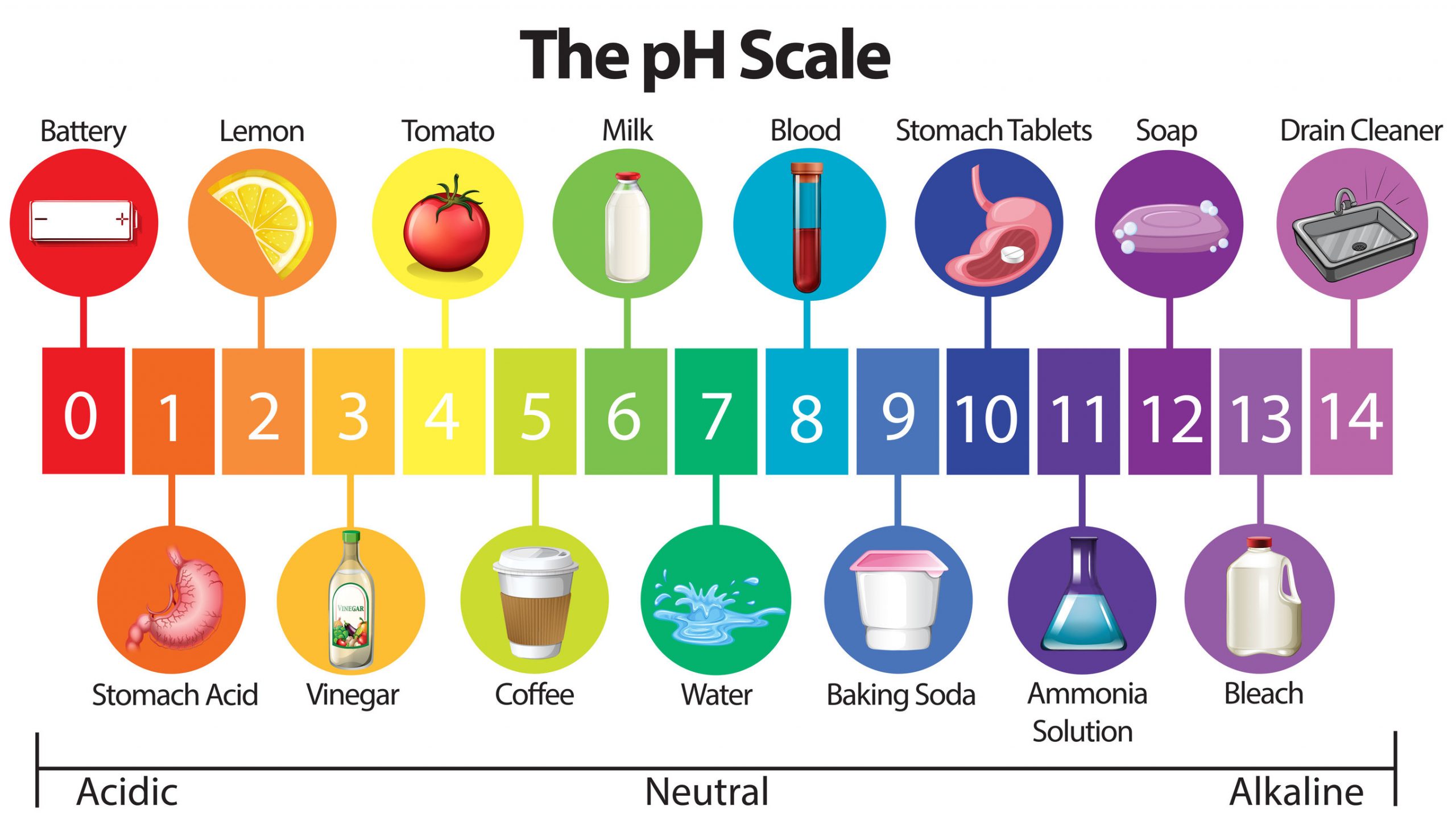
At its core, pH measures how acidic or alkaline (basic) a liquid is. But what does that really mean on a molecular level? It’s all about those tiny particles called hydrogen ions—specifically, how many of them are floating around.
Think of it this way: if a solution has a lot of free hydrogen ions, it’s acidic. If it has very few, it’s basic. The "H" in pH actually stands for hydrogen. Clever, right?
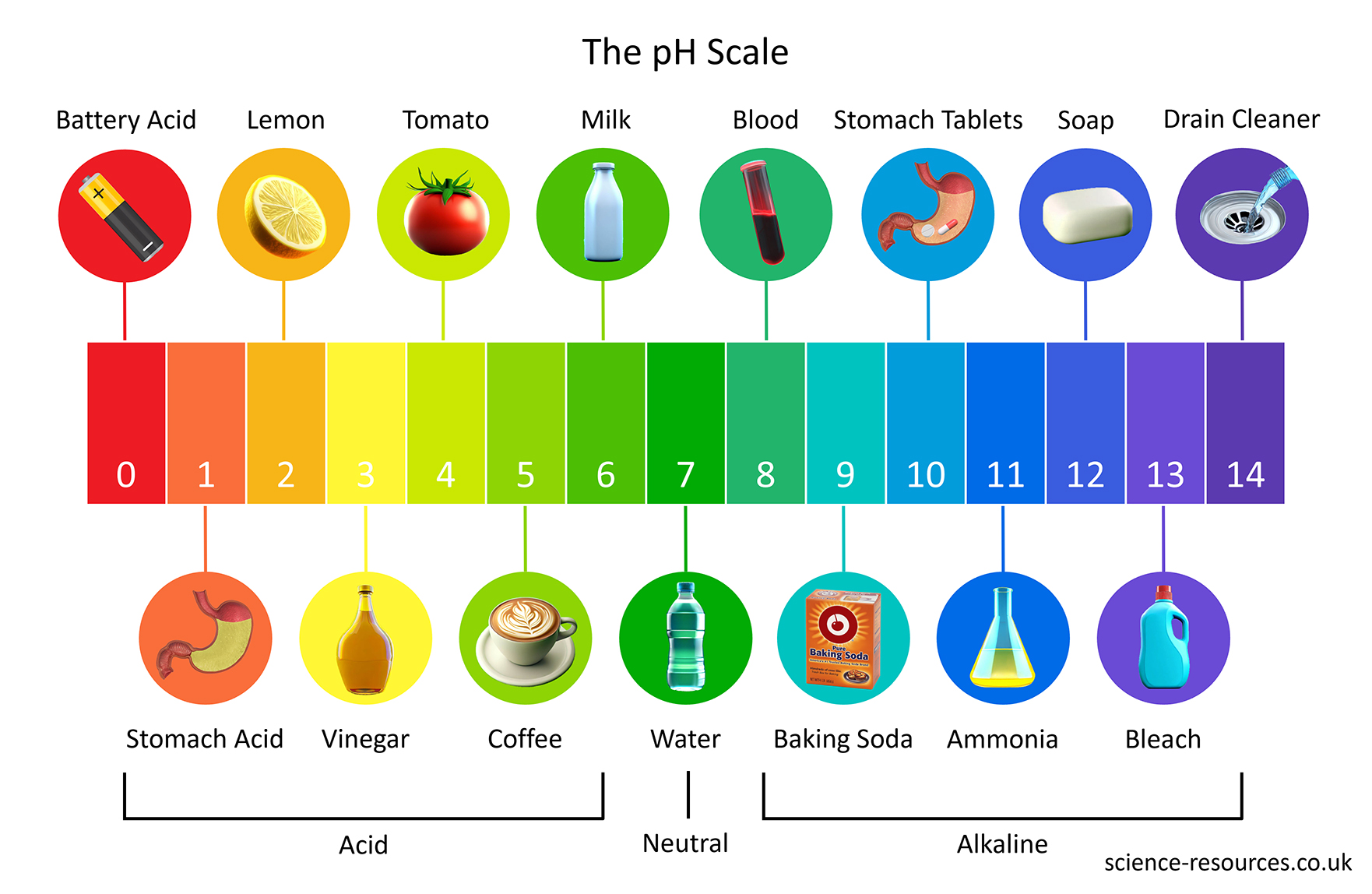
The scale runs from 0 to 14, with 7 being perfectly neutral (like pure water). Every step down means ten times more acidity. So a 4 is ten times more acidic than a 5—mind-blowing when you realize how small those numbers are.
Why your stomach and your pool care so much
Your stomach, for example, has a pH around 1.5 to 3.5. That’s seriously acidic—strong enough to break down food and kill most bacteria. (Ever wonder why your burps taste like battery acid? Now you know.)
On the flip side, bleach has a pH around 12 to 13. That’s why it burns your skin if you’re not careful. Your pool, though, likes to sit near 7.4—close to neutral, because your eyes and skin prefer not to dissolve. See? pH is the bouncer at the chemical club.
Your skin’s surface is naturally around 4.5 to 5.5—gently acidic. That’s why soaps labeled "pH balanced" are a big deal. They respect your skin’s personal space. (Unlike that exfoliating scrub your cousin swears by.)
 Ph Scale Measures _ Échelle De Ph À 14 – FYNSR
The irony of "pure" water
Here’s where it gets weird: "neutral" water at pH 7 actually contains both free hydrogen ions and hydroxide ions in perfect balance. But the moment you add anything—a pinch of salt, a drop of lemon juice—that balance tips.
This is why you’ll see people obsess over "alkaline water" with a pH of 8 or 9. They claim it’s healthier. Spoiler alert: your stomach acid immediately drops it back to 2.0 within seconds. You paid extra for water that gets bullied by your own gut. Ironic? Absolutely.
But don’t get too smug: the pH of your morning coffee is about 5—acidic enough to make your teeth cringe. That’s why dentists suggest a straw. (Coffee is worth the enamel sacrifice, though. We all agree.)
How we actually measure pH (it’s not magic)
Greg used a litmus strip, which is paper soaked in special dyes. The dyes change color based on how many hydrogen ions glom onto them. Red usually means acidic, blue means basic. Simple enough for a Saturday experiment.
For more precise work, scientists use a pH meter with a glass electrode. It measures the electrical voltage created by hydrogen ions. Yes, your acidity creates electricity. Your body literally generates power from your stomach juice. You are a tiny, screaming battery.
But here’s the kicker: even the best meters need regular calibration. If the probe is dirty or old, it will lie to you. So trust your pH strip, but know that it’s only as honest as the person who stored it dry.
 Basic Ph Scale PH Value Scale Chart. Acid Base Balance Infographic.
Everyday moments you didn’t know were pH
That fizz when you drop an antacid tablet into water? That’s a neutralization reaction. The base in the tablet meets excess stomach acid (pH 2) and they cancel out, releasing carbon dioxide bubbles. You just watched a chemical truce.
Why does black tea turn cloudy when you add lemon? Lemon juice (acidic) changes the pH of the tea, causing compounds to clump together. It’s not bad tea—it’s a pH party that went wrong. Drink it anyway; it tastes the same.
And why do hydrangeas bloom pink in acidic soil but blue in alkaline? The pH affects how the plant absorbs aluminum from the dirt. Yes, you can color-control your garden with pH manipulation. You are now a flower warlock.
The bottom line for Greg (and you)
So, Greg’s sourdough starter? It should be around pH 4 to 5—nice and tangy, but not so acidic that it dissolves the jar. He checked, it was fine. His bread came out perfect, if a bit lopsided. (He forgot to score the top. Don’t judge.)
When you measure pH, you’re really asking: "How angry is this liquid at hydrogen?" Angry = acidic. Chilled out = basic. That’s it. No magic, no hidden meaning—just a very useful number that keeps your pool clean, your bread fluffy, and your skin from melting off.
Next time someone at the gym offers you "alkaline water," just smile and picture your stomach laughing. Then ask if they know the pH of their sweat. (Bet they don’t.) You’re welcome.
