What Is Water Ph Value

So, you’ve heard the term “pH” thrown around—maybe at the pool, in a fancy water bottle ad, or from that friend who won’t stop talking about their alkaline diet. Let’s cut thr...

So, you’ve heard the term “pH” thrown around—maybe at the pool, in a fancy water bottle ad, or from that friend who won’t stop talking about their alkaline diet. Let’s cut through the science-speak and get real. Water pH value is just a fancy way of measuring how acidic or basic (alkaline) your water is. Think of it like a spice scale for H2O—except instead of heat, you’re measuring a tiny invisible battle between hydrogen ions.
The scale runs from 0 to 14, with 7 being the neutral sweet spot. Pure water—the untouched, unicorn kind—sits right at 7.0. Anything below 7 is acidic (think lemon juice, battery acid, or your face after a bad joke), and anything above 7 is alkaline (like baking soda or that smug friend who never gets stressed). Most tap water struts around between 6.5 and 8.5, which is perfectly boring—and that’s a good thing.
But Why Should You Care? (Spoiler: You Already Do)
You don’t need a chemistry degree to appreciate pH because your body is a pH-boss. Your blood, for example, stays stubbornly around 7.4—that’s slightly alkaline, and it fights to stay there no matter how much lemonade you chug. Drinking water with a weird pH won’t magically “cure” you, but it can affect taste and how your pipes behave.
Must Read
Acidic water (pH under 6.5) can leach metals like copper and lead from your plumbing. That’s bad for your braincells and your mood. On the flip side, highly alkaline water (pH over 8.5) can taste bitter or leave a chalky film on your glass—like kissing a Tums tablet. Nobody wants that first-date vibe from their tap.
Here’s the punchline: Your body doesn’t care if your water is 6.8 or 7.2. It cares if the water is clean, not if it’s trendy. The whole “alkaline water will change your life” hype? The science says: meh. Your stomach acid is a pH of 1.5 to 3.5—that’s stronger than battery acid. A glass of pH 9 water gets neutralized faster than you can say “influencer scam.”
The Simple, Joke-Free Way to Check pH
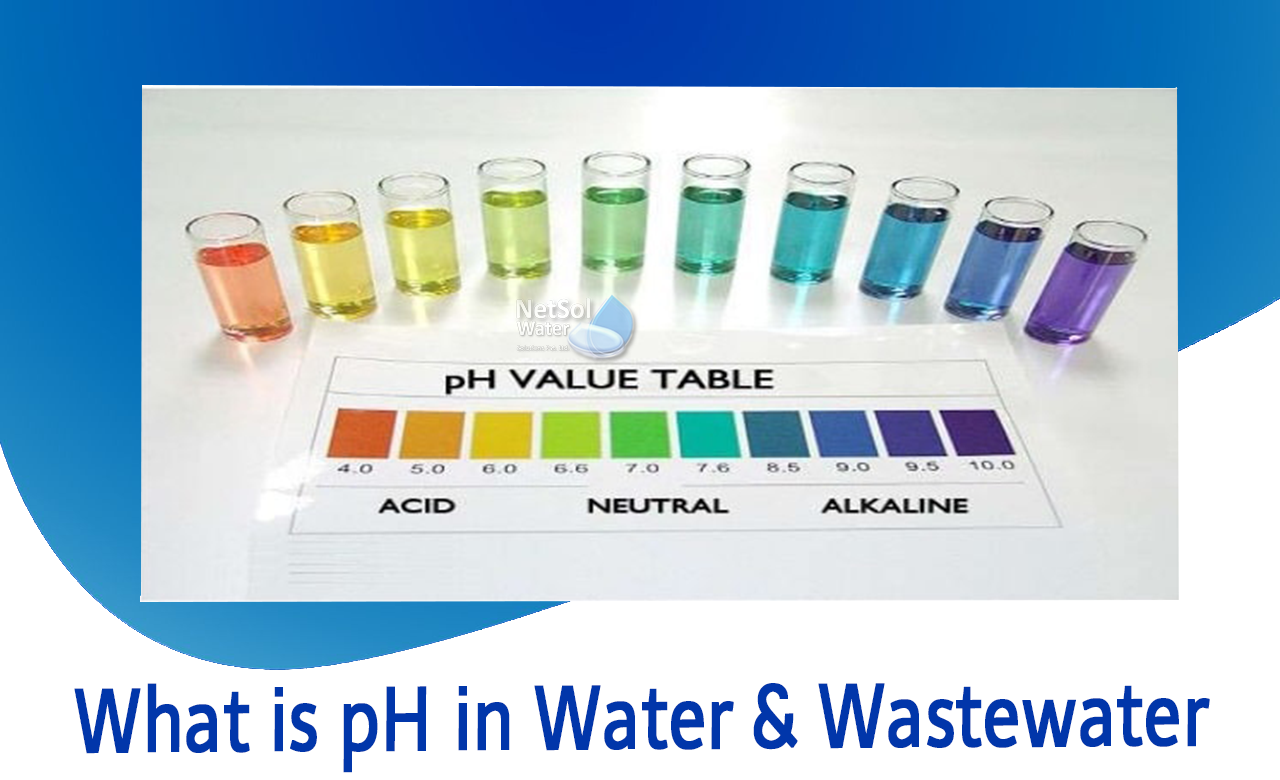
You don’t need a lab coat. Grab a pH test strip from a pet store (fish tanks need it) or a pool supply shop. Dip it in your water, wait a few seconds, and match the color to the chart. If it’s between 6.5 and 8.5, congratulations—your water is normal. Throw a party. Invite your tap.
If it’s lower than 6.5, your pipes might be crying. If it’s higher than 8.5, you might be drinking from a creek that runs through a limestone factory. Either way, a simple water filter (or a call to your city’s water department) will sort it out. No need to overthink it—this isn’t a final exam.
 What Does Ph In Water Do For You | Detroit Chinatown
Let’s Bust a Myth (Gently)
There’s a rumor that water with a pH of 8 or 9 boosts energy or prevents aging. Cute theory, but your body’s pH is locked tighter than a toddler’s grip on a cookie. Your kidneys and lungs do the heavy lifting; water just brings the party. The real health secret? Staying hydrated. Your body doesn’t care if the pH is 7.0 or 7.5—it cares if you’re drinking enough so you don’t turn into a dry raisin.
Also, you know what messes with pH? Carbonated water. The bubbles create carbonic acid, making sparkling water slightly more acidic (around 3–5 pH). But don’t panic—it’s still way milder than soda. Your enamel might glare at it, but your stomach will high-five it. Drink your bubbles, folks.
What About Bottled Water? (The Plot Thickens… Not Really)
Bottled water brands love to put their pH numbers on labels like a badge of honor. “Alkaline 9.0!” they scream. Meanwhile, tap water in most cities is just as drinkable, costs pennies, and doesn’t come with a plastic guilt-trip. Check the label if you’re curious—but unless you’re a fish or a scientist, the number matters about as much as the font on your toothpaste.
Rainwater? It’s naturally a bit acidic (pH 5.6) because it picks up carbon dioxide on the way down. Yes, even sky water is judgmental. But it’s not something you’ll drink by the gallon unless you’re a thirsty cloud.
 Ph 6.2 Water , pH Values of Water with ph Level Chart – GEYNRG
The Fun Part: Testing Your Own pH at Home (Be a Nerd for a Minute)
Grab a red cabbage from the fridge. Chop it up, boil it for five minutes, and strain the purple liquid. That’s your DIY pH indicator. Drop a splash of your water into the purple juice. Pink = acidic (6 or lower). Blue = alkaline (8 or higher). Purple = neutral (7-ish). It’s like a science fair project, but way cheaper than therapy.
Now, if you get bright pink, your water might be fizzy or acidic. If it turns dark blue, your water might be weirdly basic. Either way, you now have a cool party trick. Congratulations, you are officially the most interesting person at brunch.
So, What’s the Verdict on Water pH?
Water pH is a simple, boring number—and that’s exactly what good water should be. It shouldn’t be a source of stress, a trendy expense, or a reason to buy a sixteen-dollar bottle. Clean, safe, drinkable water is the goal. The pH is just a friendly wave from the chemical world saying, “Hey, I’m not dangerous, go ahead and hydrate.”
So go pour yourself a glass of whatever comes out of your tap—or a bottle, or a mountain spring, or a magical unicorn tear. Drink it. Smile. Your body doesn’t know pH numbers. It just knows you showed up with the wet stuff it needs. And that, my friend, is the only value that truly matters. 😄
