Why Is My Water Foggy

So, you pour yourself a tall, glorious glass of tap water, ready to hydrate like a champion. You hold it up to the light, anticipating that crystal-clear, pristine liquid… and...

So, you pour yourself a tall, glorious glass of tap water, ready to hydrate like a champion. You hold it up to the light, anticipating that crystal-clear, pristine liquid… and it looks like someone dropped a cloud in your cup. It’s foggy. Milky. Suspicious. Before you call the EPA or swear off water forever, let’s solve the mystery of the phantom fog.
Relax, It’s Probably Just Air
Nine times out of ten, your foggy water isn’t a sign of impending doom—it’s just bubbles. Tiny, invisible, rage-filled bubbles that were trapped under pressure. When water is forced through your pipes (especially in cold weather), it gets supersaturated with air, like a soda that’s been shaken and denied its fizz.
When you open the tap, the pressure drops, and all that dissolved air screams for freedom, forming millions of microscopic bubbles. That’s what makes the water look like milky or foggy. It’s basically a fizzy drink that forgot to be delicious.
Must Read
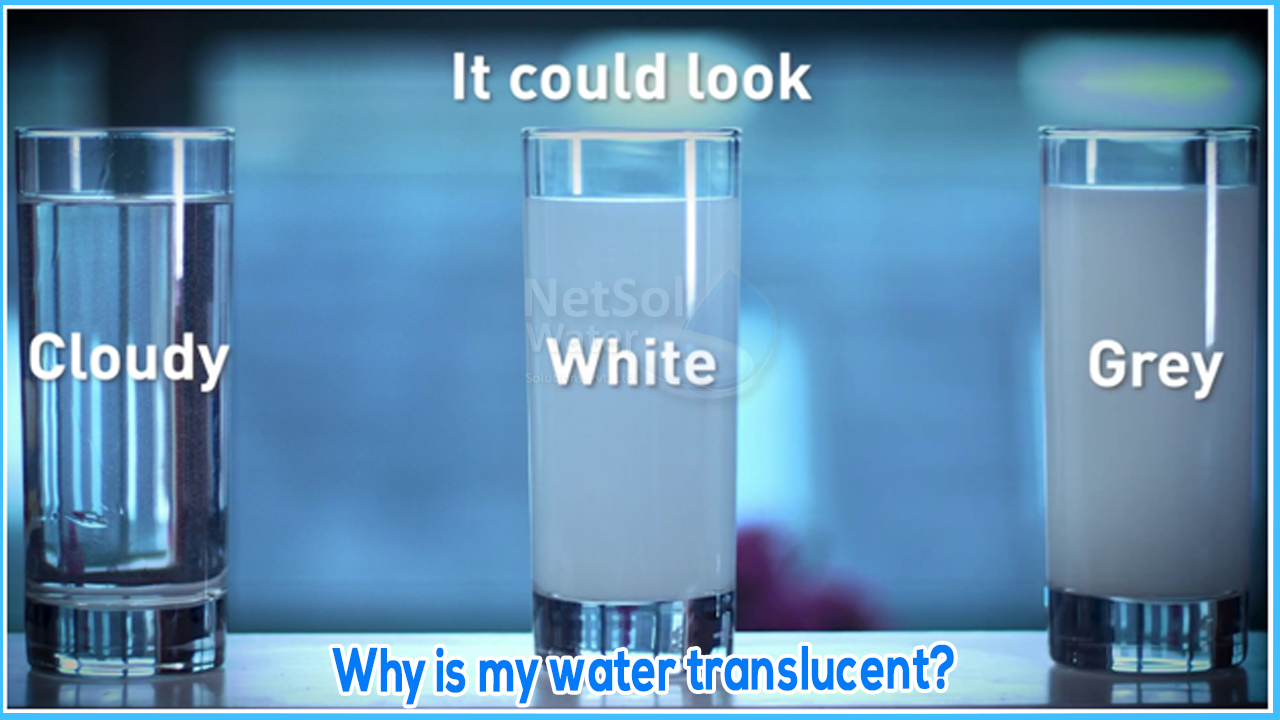
Here’s the easiest test in human history: Fill a glass and set it on the counter. If the cloudiness clears from the bottom up within a minute or two, congrats—you’ve got fizzy water, not toxic sludge. You’re basically drinking Perrier, but classier because it came from your kitchen sink.
The Great Temperature Conspiracy
Cold water holds more dissolved gas than warm water—it’s a basic physics fact that sounds like an excuse. If your tap runs particularly cold in winter, you’re basically a mad scientist brewing a batch of “invisible bubble soup.”
When that cold water hits your warmer glass or the indoor air, the gas expands and escapes. It’s the same reason a cold beer foams when you open it, except this isn’t a party, it’s your hydration routine. One surprising fact: water from a well is especially prone to this because it’s deep underground, high-pressure, and loaded with natural gases like nitrogen and oxygen.
Fun experiment: Run your hot water into a clear glass. If it’s perfectly clear while the cold water was foggy, you’ve just caught the conspiracy red-handed. The heat forces the gas out before it even reaches the glass. You’re a water detective now—put that on your résumé.
 Does Your Water Look Cloudy? | 7 Causes of Cloudy Swimming Pool Water
When It’s Not Air: The Sediment Saga
Sometimes, it’s not bubbles. If you let your glass sit for ten minutes and it still looks like a foggy morning in London, you might have sediment—tiny particles like sand, silt, or rust. This usually happens if your city just flushed the fire hydrants or a water main broke nearby.
Don’t panic—it’s not radioactive bat guano. Most sediment is harmless, but it tastes like they scraped the inside of a dirt road. If it persists, your pipes might be aging like a rockstar: rusty, cranky, and shedding flakes of themselves.
One surprising fact: Your own water heater can be the culprit. Over time, minerals and debris settle at the bottom of the tank. If you drain it for the first time since the ‘90s, you’ll unleash a cloud of mud that would make a swamp jealous. Flush it every year. Your shower head will thank you.
The Calcium Horror Show (Hard Water)
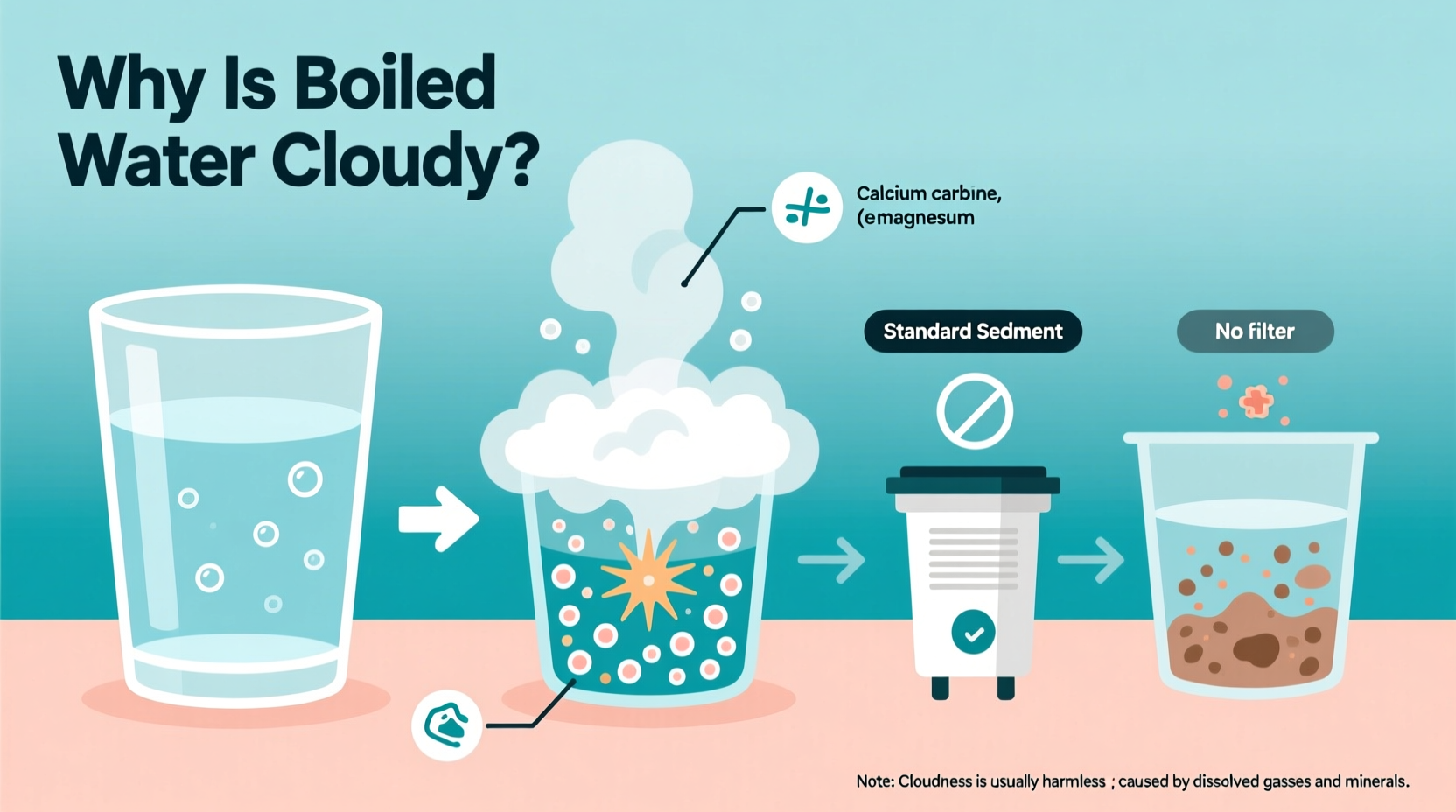
If you live in an area with hard water (looking at you, Midwest and Southwest), foggy water might be calcium carbonate or magnesium—the same stuff that forms bathtub ring monsters. When water is heated, these minerals precipitate out into tiny white specks.
This isn’t dangerous, but it’s annoying. Your water can look like someone dissolved a chalkboard eraser in it. Pro tip: Boil some water in a pot—if a white film forms on the surface, you’ve got hard water. It’s not poison; it’s just the ghost of a limestone quarry.
 Why Is My Water Cloudy After Boiling Possible Contaminants And Filters
Installing a water softener can fix this, but it’s a commitment. You’ll trade foggy water for slightly salty water. Pick your battles. And if you don’t believe me, remember: Hard water is why your soap doesn’t lather. It’s fighting you for the bubbles.
Is It Toxic? The Truth Sandwich
Here’s the reassuring middle: Most foggy water is safe to drink. The EPA regulates public water so tightly that if it were dangerous, you’d know because a water quality report would arrive with bullet points. That said, if your water smells like gasoline, tastes like metal, or makes your tongue tingle, stop drinking it immediately. That’s not fog—that’s a cry for help from your plumbing.
Use a home test kit if you’re still worried. You can find them online for the price of a fancy coffee. Or just call your local water utility and ask, “Why is my water foggy?” They love that question—it beats “Why does it smell like swamp feet?”
The Grand Finale: Your Glass is Probably Fine
In summary, your foggy water is 90% likely to be dissolved air throwing a tiny, invisible party. It will clear up on its own, leaving you with perfectly drinkable H₂O. The other 10% is sediment or minerals, which are gross-looking but not apocalyptic.
So next time your tap spits out a cloud, take a deep breath. Pour a glass. Wait two minutes. If it clears, drink up like the majestic, hydrated beast you are. And if it doesn’t? Maybe buy a filter—or embrace the fog. It’s not every day you get a glass of water that doubles as a science experiment.
