Why Hard Water Is Bad

Let’s talk about hard water. The name sounds tough, like a bodybuilder or a superhero. But in reality, it’s just water that’s full of minerals—mostly calcium and magnesium. So...
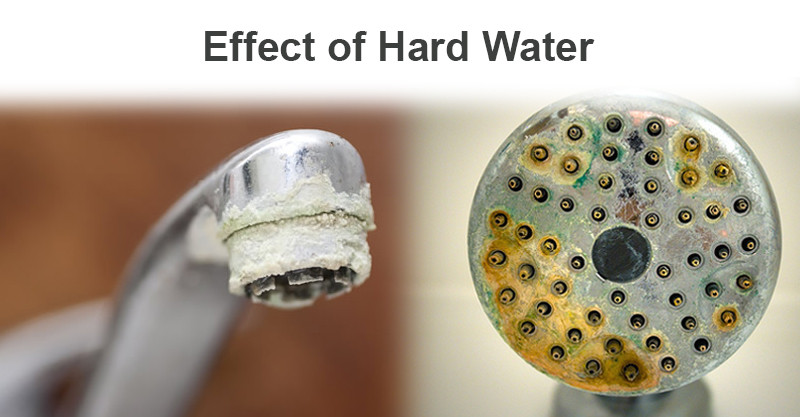
Let’s talk about hard water. The name sounds tough, like a bodybuilder or a superhero. But in reality, it’s just water that’s full of minerals—mostly calcium and magnesium. Sounds healthy, right? Wrong. For your pipes, your skin, and your sanity, it’s a total party pooper.
Picture this: you’re washing your hands with soap. Instead of a rich, bubbly lather, you get a sticky, chalky mess. That’s hard water neutralizing your soap. It turns a simple rinse into a battle with scummy film. Your hands feel squeaky? Nope, they feel like they’re covered in invisible crust.
The Murder of Your Appliances
Your coffee maker is crying. Your dishwasher is plotting revenge. Hard water builds up scale—a rock-hard crust—inside every machine. That kettle you love? After a few weeks, it looks like a stalactite cave.
Must Read
This mineral sludge acts like a cozy blanket—for bacteria. It blocks heating elements, making your appliances work harder. They die young, all because of tap water. Imagine telling your new washing machine, “Sorry, the water was too bratty.”
The Hair & Skin Horror Show
Ever feel like your shampoo just stopped working? That’s hard water. It reacts with hair products to create a waxy residue. Your hair doesn’t get clean—it gets a mineral coating. It looks dull, feels brittle, and tangles like a jealous ex.
Your skin suffers too. The calcium reacts with natural oils, creating a soap scum crust. That’s why you feel “dry” and itchy after a shower. It’s like a micro-farming operation for eczema and rashes. Pretty villainous for something you drink.
Fun fact: Hard water soap scum is chemically similar to the stuff that forms on dirty bathtubs. So in a way, you’re washing yourself with bathroom gunk. Yum.
The Plumbing Nightmare
Your pipes are not immortal. Hard water slowly builds up inside them, like cholesterol in arteries. Less flow means more stress on your water heater. Eventually, the pipe clogs completely.
That’s a $1,000 disaster to fix. Or you could just call a plumber and watch them pull out a long, crusty mineral snake. It’s gross. It’s expensive. And it’s all because H2O had a calcium identity crisis.
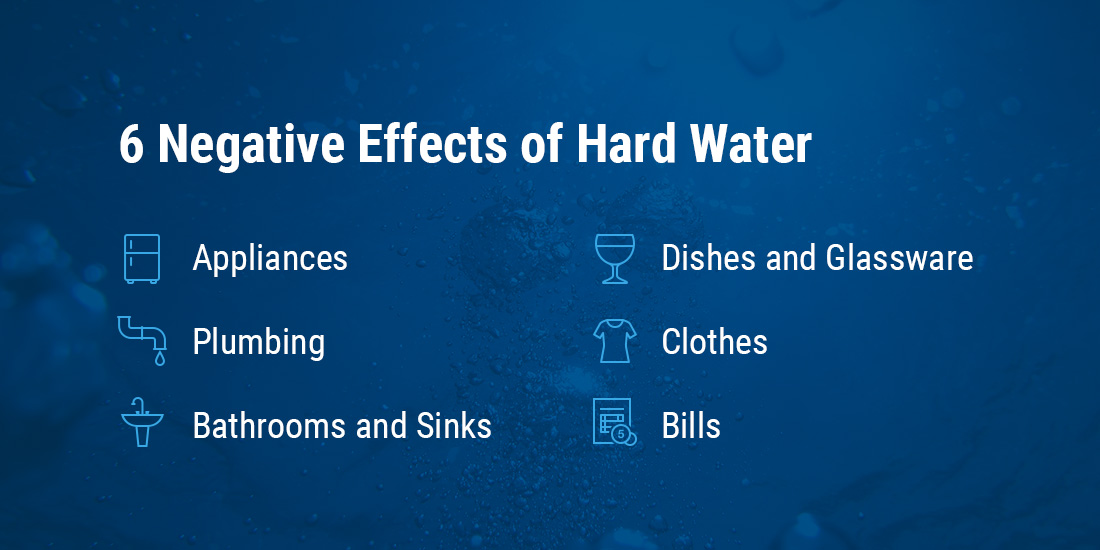 Hard Water Meaning – The Difference Between Hard and Soft Water – VOUK
Your showerhead suffers similarly. Tiny holes get blocked by white scale. The water starts shooting in random directions. You end up with one wet shoulder and one dry, jealous shoulder. Fashion disaster.
The Dishware Dullness
You pull a glass from the dishwasher. It’s covered in white spots and a cloudy film. That’s etched glass—the minerals have literally eaten into the surface. It’s permanent. Your fancy wine glasses now look like cheap thrift store finds.
Same for silverware. Hard water leaves rainbow streaks and stubborn stains. It looks like a unicorn threw up on your fork. Not exactly the elegant dinner party vibe you wanted.
And your clothes? Hard water turns white socks gray. It leaves a mineral residue that makes fabric stiff and scratchy. You’re basically wearing sandpaper underwear.
The Quirky Science Bit
Why is it called “hard” anyway? Because it’s hard to make bubbles. Seriously. Soap molecules are like magnets—they grab dirt. But calcium grabs the soap first. They form a scum molecule that sinks to the bottom.
That’s why you need more soap in hard water. More soap means more money. And more scum means more scrubbing. It’s a vicious cycle designed by a bored mineral god.
:max_bytes(150000):strip_icc()/TheSpruce_WhatisHardWater_colorv1-71c4c7ba876646638980256db096a84e.png) What Causes High Hardness In Water at Edward Mozingo blog
What Causes High Hardness In Water at Edward Mozingo blog
Funny detail: hard water is actually tasteless to most people. Some love the “mineral” flavor. But it’s the same stuff that makes your shower drain smell like broccoli. So, choose your water guest wisely.
The Most Annoying Side Effect
Ever eaten soup and tasted weird metallic spoon? Hard water leaves a thin mineral coating on metal. It changes the taste of your food. That’s why some people hate the tap water at restaurants.
The worst part? You can’t see it happening. It’s a silent saboteur. Every day, your skin, hair, and appliances suffer a slow, friendly torture. It’s not dramatic—it’s death by a thousand mineral droplets.
But Wait, There’s Hope!
You can fight back. Water softeners exist. They swap calcium for sodium—basically, they bully the minerals into leaving your pipes. Or you can use a whole-house filtration system. It’s like a bouncer for your plumbing.
Vinegar is your cheap assassin. Soak your showerhead in it overnight. Watch the scale dissolve like a sugar cube. It’s satisfying, a little gross, and completely free.
But the real joy? Knowing you’re not crazy. That dry skin, those cloudy glasses, that dead coffee maker—it’s all the fault of a liquid bully. Hard water is bad. Not evil, but definitely the worst roommate ever. So go ahead, curse your tap. It deserves it.
Now, go drink a glass of filtered water. Your hair will thank you. Your kettle will weep with joy. And your pipes will stop plotting your ruin. That’s a win in my book.
