What Is Lead In Water

Picture this: you’re pouring a tall glass of water from the tap, ice cubes clinking, ready to hydrate after a morning jog. It looks clear, tastes fine, and—thanks to modern co...

Picture this: you’re pouring a tall glass of water from the tap, ice cubes clinking, ready to hydrate after a morning jog. It looks clear, tastes fine, and—thanks to modern convenience—you don’t give it a second thought. But lurking in that same pipeline, invisible to the naked eye, could be lead. Yes, that same heavy metal from Roman aqueducts and old-school paint chips is still making cameo appearances in our drinking water today.
Let’s get the science-y bit out of the way, fast. Lead is a naturally occurring metal that leaches into water when it travels through old pipes, solder, or fixtures. The scariest part? You can’t see it, smell it, or taste it. It’s like that quiet neighbor who never makes noise but turns out to be a total plot twist in your life.
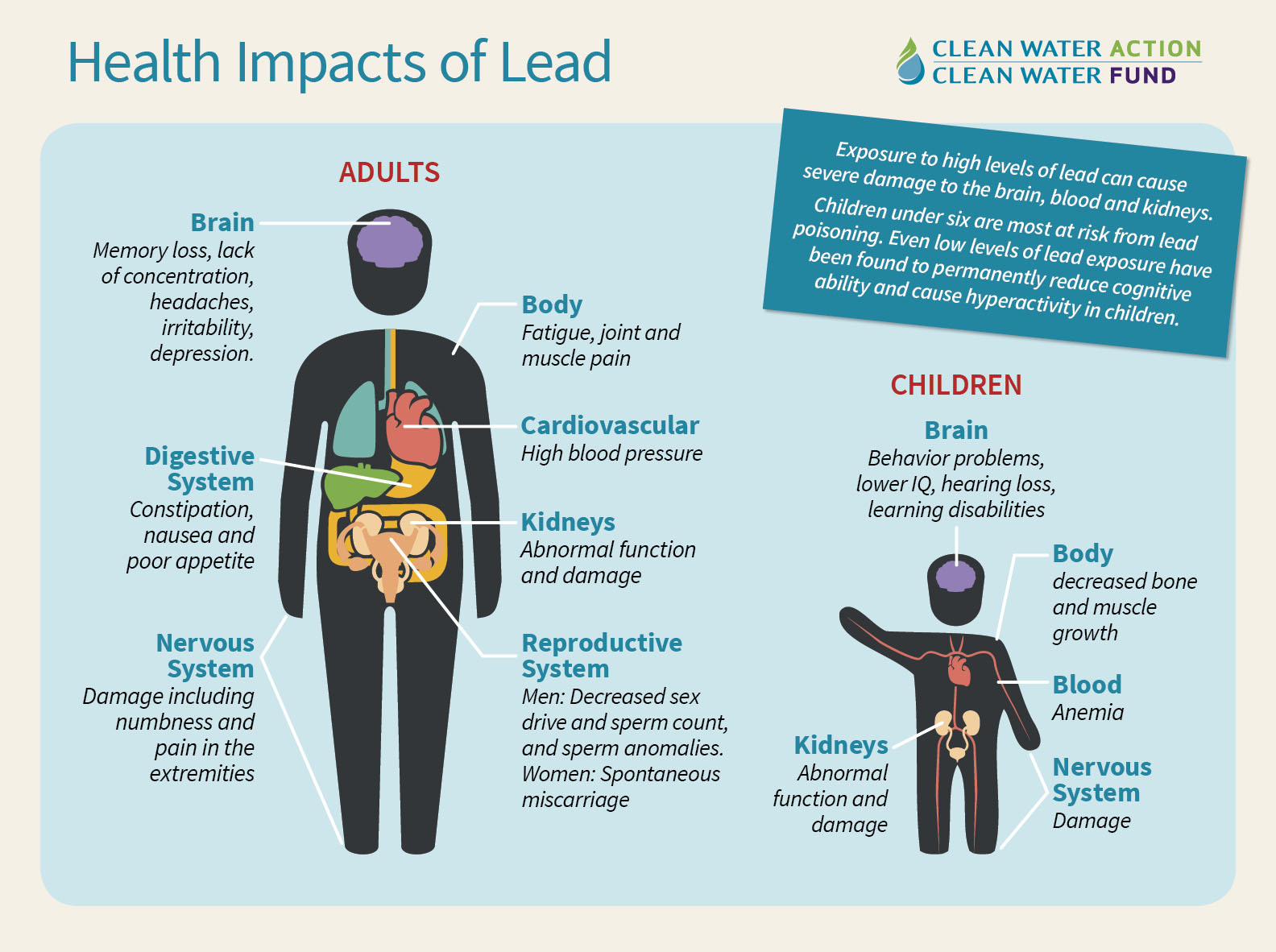
The biggest concern isn’t for the average adult—you’ll likely be fine, maybe a little sluggish. The real drama unfolds for children and pregnant women, because even tiny amounts of lead can mess with brain development and nervous systems. Think of it as a slow-motion villain in a movie you didn’t buy tickets for.
Must Read
Here’s a fun fact that’ll make you the star of your next dinner party: Lead has been used in plumbing since the time of ancient Rome. The word “plumbing” actually comes from the Latin word for lead, “plumbum.” The Romans knew it was toxic—they even wrote about it—but hey, it was easy to mold, so they went with it. Classic human hubris, right?
How Lead Gets Into Your Glass
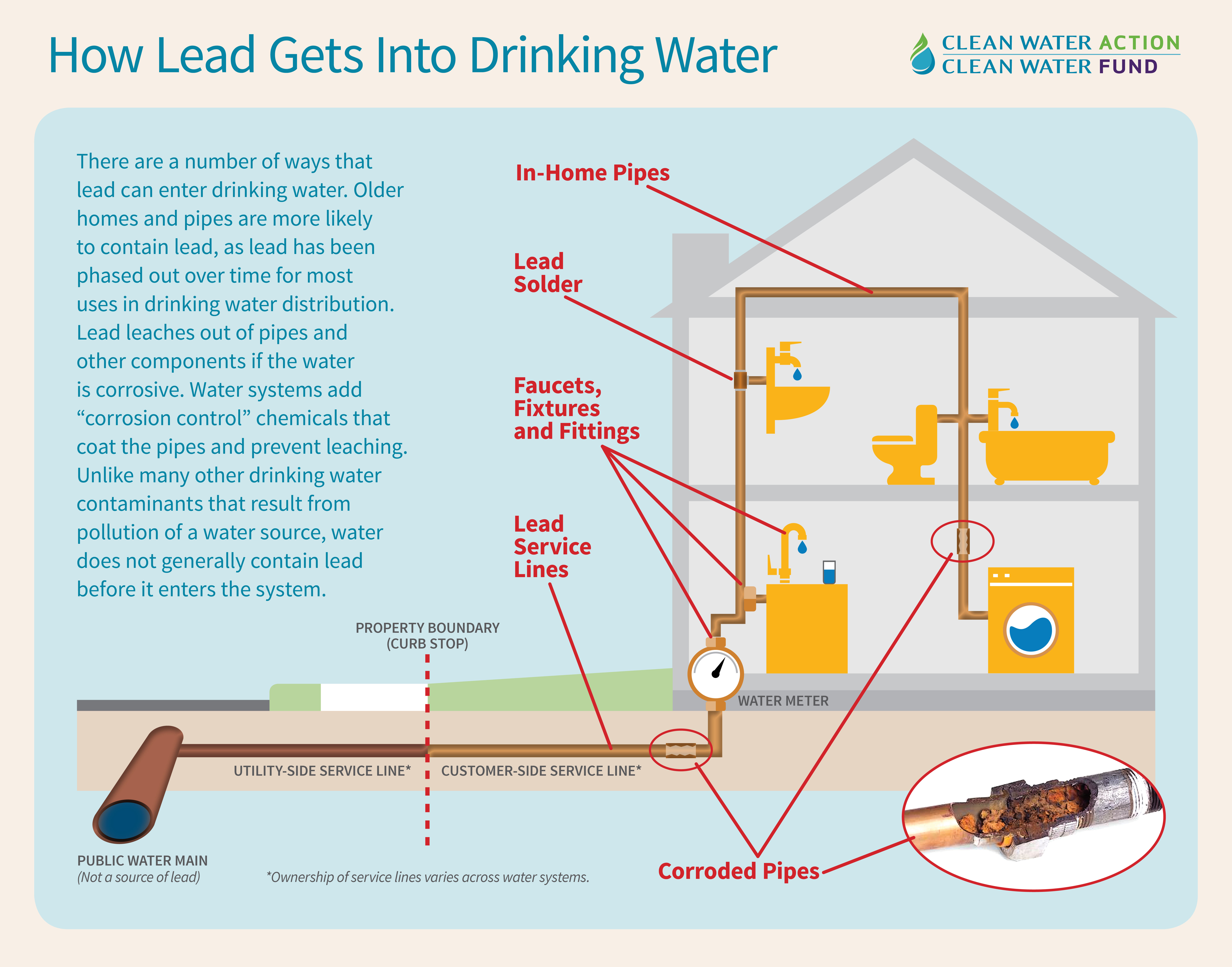
It’s not the water itself that’s the problem—it’s the pipes it travels through. Homes built before 1986 are the prime suspects, especially those with copper pipes soldered with lead-based materials. The Environmental Protection Agency (EPA) estimates that up to 10 million American homes still have lead service lines running from the main to the kitchen sink.
Corrosion is the sneaky accomplice. When water sits in those pipes for hours—say, overnight or while you’re at work—the lead slowly dissolves into it. That’s why the first flush of water in the morning can have the highest concentration. It’s like the coffee left in the pot from yesterday; you wouldn’t drink that, so why risk the metal soup?
City water systems do treat water with anti-corrosion agents, like orthophosphate, which coats pipes to prevent leaching. But infrastructure ages, budgets get cut, and sometimes those treatments fail. Think of it as a band-aid on a leaky boat—it works until it doesn’t.
 Lead In Water
The Pop Culture Connection
Remember the 2014 Flint water crisis? It turned lead contamination into a national headline, complete with outrage, activism, and a Netflix documentary. Suddenly, everyone from Brooklyn to Boise was buying water filters and testing kits. The crisis was a harsh reminder that access to clean water isn’t guaranteed—it’s a privilege that requires vigilance.
Even fictional heroes aren’t immune. In the hit series Emily in Paris, there’s a blink-and-you’ll-miss-it moment where Emily complains about her apartment’s old pipes—and yes, that’s a subtle nod to European plumbing challenges. Real talk: Paris has some of the oldest water infrastructure in the world, so lead is a known issue there too. It’s not just an American problem; it’s a global, polyglot headache.
Practical Tips to Test and Treat Your Water
First, find out if you’re at risk. Check your home’s age—if it was built before 1986, assume lead could be present. You can order a home testing kit online for about $20, or contact your local water utility for a free test. Many offer them, because they’d rather you test than sue them later.
Second, flush your pipes. Before drinking or cooking, run the cold water for one to two minutes—especially if the tap hasn’t been used for six or more hours. That’s enough time to clear out the water that’s been sitting in the pipes. Use that water to water your plants or wash dishes; no waste, just smart strategy.
Third, invest in a certified filter. Look for filters that are NSF/ANSI Standard 53 certified for lead reduction. Brita and PUR both make affordable pitcher models that work—just remember to change the cartridge on schedule. A filter is roughly the cost of two fancy lattes a month, and it protects your brain cells.
 Lead In Water
Fourth, only use cold water for drinking and cooking. Hot water dissolves lead faster than cold water, so never use the hot tap for pasta, tea, or baby formula. That’s a non-negotiable rule, like not double-dipping your chip.
Fifth, know your local water report. Every community water supplier in the U.S. is required to publish an annual Consumer Confidence Report. It lists contaminants, including lead levels. It’s dry reading, sure, but it’s your personal water diary—read it like a thriller where you’re the protagonist.
A Little Fun Fact for the Road
Did you know that lead was once used as a sweetener in wine? In ancient Rome, winemakers would boil grape juice in lead vessels to create a syrup called sapa, which preserved the wine and added a sugary taste. It also gave them chronic poisoning, which historians think contributed to the decline of the Roman Empire. So yes, lead literally helped bring down one of the greatest civilizations. Let that sink in next time you pour a glass of Merlot.
Reflection: A Daily Connection
Here’s the thing about modern life: we trust the systems we can’t see—the grid, the pipes, the algorithms—until they fail. Lead in water is a quiet reminder to stay curious and take small, deliberate actions. Testing your tap water isn’t paranoia; it’s self-care. Flushing the pipes isn’t a chore; it’s a ritual, like locking the door or turning off the lights.
Tomorrow morning, when you fill your kettle or ice tray, pause for a second. Run that water for sixty seconds and think about the journey it took—through old pipes, past hidden histories, into your hands. You’re not just hydrating; you’re curating your environment. And that, in the end, is the most easy-going lifestyle move of all: taking control of the invisible, one glass at a time.
