What Is A Ph In Water

Imagine you’re at your favorite coffee shop, and the barista hands you a glass of pristine, ice-cold water. You take a sip, and it tastes perfect—clean, crisp, almost electric...

Imagine you’re at your favorite coffee shop, and the barista hands you a glass of pristine, ice-cold water. You take a sip, and it tastes perfect—clean, crisp, almost electric. That sensation? You’re experiencing a balanced pH level in water, a quiet hero in your daily hydration.
So, what exactly is a pH in water? At its core, pH measures how acidic or alkaline a liquid is on a scale from 0 to 14. Pure, neutral water sits right at 7, while anything below is acidic (think lemon juice) and above is alkaline (like baking soda mixed in).
It’s not just chemistry class jargon. The pH of your drinking water can influence everything from its taste to how your body absorbs it. Your taste buds are actually brilliant pH detectors—water that’s too acidic can taste sharp or metallic, while alkaline water might feel “smoother” and slightly sweet.
Must Read
The Goldilocks Zone of H2O
Most tap water hovers between 6.5 and 8.5 on the pH scale, which is perfectly safe and regulated by health agencies. But here’s the fun part: nature is a master chemist. Rainwater, for example, is slightly acidic (around 5.6) because it picks up carbon dioxide from the air.
Spring water from limestone regions often leans alkaline, thanks to dissolved minerals like calcium and magnesium. That’s why a bottle from a mountain spring might taste completely different from your kitchen faucet. It’s geology in a glass.
Ever noticed how some premium bottled waters boast about their “8.8 pH” on the label? That’s a marketing move, but also a nod to the idea that slightly alkaline water might help neutralize acidity in your body. Spoiler alert: Your stomach is a powerhouse of acid (pH 1.5 to 3.5), so any water you drink gets instantly balanced anyway.
A Quick pH Test You Can Do at Home
You don’t need a lab coat to play scientist. Grab a simple pH test strip from any drugstore or online shop and dip it into a glass of your tap water. Wait 30 seconds and watch the color change—it’s like a mood ring for your H2O.
Compare the color to the chart on the box. If your water falls below 6.5 or above 8.5, it might be worth checking with your local water utility. But for most of us, the result is a reassuring shade of green or blue—neutral and happy.
Pro tip: Test your morning coffee, too. Coffee is naturally acidic (around 5 on the pH scale), which explains that tangy bite. A pinch of baking soda can mellow it out if your stomach is feeling fussy.
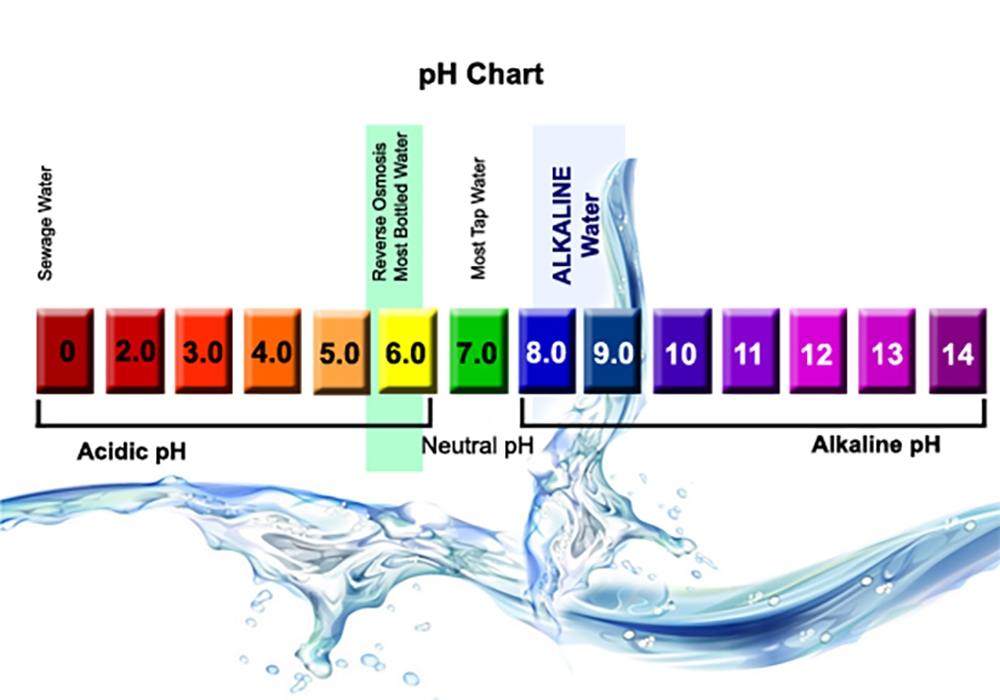 What Is PH In Water? How Much PH Is Good For Drinking Water?
The Culture of pH: From Soda to Sake
Different cultures have long understood pH, even without a scientific name for it. In Japan, sake brewers obsess over the pH of their water, as slightly acidic water (around 6.0) helps control fermentation and creates a cleaner taste. In Italy, many baristas swear by neutral water for espresso, claiming alkaline water makes the coffee taste flat.
The trend of “alkaline water” exploded after celebrities like Miranda Kerr and Beyoncé reportedly drank it for detox and energy. While science doesn’t fully back the detox claim, the placebo effect of feeling fancy is very real.
And let’s not forget the classic soda phenomenon. Sodas like cola have a pH around 2.5—that’s closer to battery acid than to water. No judgment here, but next time you sip a fizzy drink, you’re essentially giving your mouth a tiny acid bath. Your enamel might roll its eyes.
Practical Tips for Your Daily Pour
First, don’t panic about perfection. Unless you’re using specialized lab equipment, your body handles pH fluctuations beautifully. Focus on staying hydrated, and your kidneys will do the pH balancing act.
Second, if you want to tweak your water’s pH naturally, try adding a slice of lemon or lime. Wait—doesn’t lemon make water acidic? Yes, but once metabolized, it has an alkalizing effect on your body. It’s like a magic trick for your internal chemistry.
Third, invest in a quality filter if your tap water tastes off. Many filters maintain a neutral pH while removing chlorine and heavy metals. Your water should taste like refreshment, not a science experiment.
 What is pH of Water?- Everything You Should Know About Water
Finally, remember that alkaline water brands often cost six times more than tap water. Your wallet might prefer a reusable bottle and a slice of cucumber over a designer pH label.
The Fun Fact Vault
Did you know that the pH scale was invented in 1909 by a Danish chemist named Søren Sørensen? He was trying to control beer fermentation, so we basically owe our understanding of water pH to beer. Cheers to that.
Another fun tidbit: Distilled water, often considered super-pure, is actually slightly acidic (around 5.8) because it absorbs carbon dioxide from the air as soon as it’s exposed. Even “pure” water is a social chameleon, adapting to its environment.
In the animal kingdom, flamingos depend on pH to survive. They live in highly alkaline lakes (up to pH 10) where bacteria thrive but predators don’t. So, if you ever feel unusual pH cravings, just remember: you’re not a flamingo.
Reflection: The Water You Live By
Think about the water you drink every day—from your morning glass to the ice in your iced tea. Its pH is a silent, constant companion, working behind the scenes. It’s not about obsessing over numbers, but about noticing the simple, elemental choices you make.
Whether it’s a crisp neutral tap, a trendy alkaline bottle, or a splash of lemon, your water is a mirror of your habits and environment. Next time you fill a glass, take a second to appreciate that tiny scale—a measure of balance in a world that often feels anything but.
And if you taste a subtle difference? That’s just the pH saying hello. Enjoy the sip.
