What Is In Well Water

If you’ve ever taken a sip of water from a friend’s farmhouse tap and thought, “Wow, that’s… interesting,” you’ve had a taste of well water’s personality. It’s not the bland,...

If you’ve ever taken a sip of water from a friend’s farmhouse tap and thought, “Wow, that’s… interesting,” you’ve had a taste of well water’s personality. It’s not the bland, uniform stuff that comes out of a city pipe. Well water is a direct, unfiltered handshake with the earth beneath your feet—and it’s a lot more complex than you might think. So, what exactly is swimming in that glass?
The literal dirt on well water
At its core, well water is groundwater that has percolated through layers of soil, rock, and sand for years, sometimes centuries. Think of it as nature’s slow-drip filter—but not a perfect one. As it travels, it dissolves tiny bits of whatever it touches: minerals like calcium and magnesium (hello, hard water), and sometimes trace amounts of iron, sulfur, or manganese. That’s why some wells have that distinctive slightly metallic taste or a faint smell of rotten eggs (thanks, hydrogen sulfide).
But here’s the kicker: well water is completely unregulated by the EPA. Unlike municipal water, which is tested and treated at a plant, your well’s quality is entirely your responsibility. It’s a bit like being your own landlord, plumber, and chemist all rolled into one.
Must Read
The good, the bad, and the “is that safe?”
First, the good. Many well waters are naturally mineral-rich, which can make them taste refreshing and lively—think of a crisp mountain spring. Dive into homes in Vermont or the Pacific Northwest, and you’ll find locals who swear their well water is better than any bottled stuff. They’re not wrong: some wells deliver water with a perfect balance of calcium for strong bones and magnesium for relaxation. It’s like a health drink from the ground.
Now, the bad. Well water can also carry guests you didn’t invite. Bacteria like coliform or E. coli can sneak in from surface runoff, especially after heavy rains. Nitrates from fertilizer or septic systems are another common hitchhiker. And then there’s radon—a radioactive gas that can dissolve into well water—which sounds like something from a sci-fi movie but is a real concern in certain regions like the Northeast. Fun fact: you can’t see, taste, or smell radon, so it’s the ultimate stealth operator under your sink.
 Typical Water Well Diagram
Your well is a living diary of your land
Every time you turn on the tap, you’re reading a diary entry written by your yard’s geology. If you live in limestone country, your water will be hard—meaning it leaves white scale on your kettle and makes soap struggle to lather. In areas with volcanic rock, the water might be soft and slightly acidic. And if you’re near the coast, there’s always a risk of saltwater intrusion—a splash of the ocean that no one asked for. It’s a fascinating, if sometimes inconvenient, geography lesson.
Cultural references? Think of the iconic scene in O Brother, Where Art Thou? where the trio drinks from a mysterious well and gets hallucinogenic visions. That’s an extreme case (likely from high levels of minerals or algae), but it highlights a truth: well water has been a source of mystery and folklore for centuries. In Celtic myths, wells were gateways to the Otherworld—and while that’s poetic, you probably just want safe water for your morning coffee.
Practical tips for the well-dweller
If you own a well (or are thinking of buying a home with one), here’s the gold standard: test annually. Don’t skip it. A basic test covers bacteria, nitrates, and pH. A more robust test can check for lead, arsenic, or volatile organic compounds (VOCs). It costs about as much as a nice dinner out, but it buys you peace of mind. Another pro tip: inspect your well cap. A cracked or loose cap is like leaving the front door open for critters and debris. And if you notice a sudden change in taste, color, or smell—even a faint “earthy” note—call a professional. Your water is telling you something.
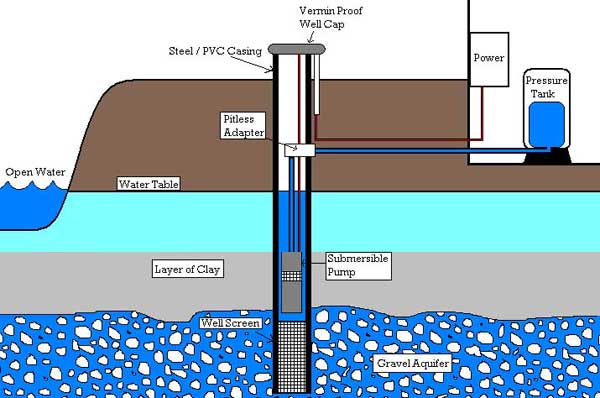 Well and Pump Installations | Axsom-Franke Plumbing
And here’s a fun little fact: depth matters. Shallow wells (less than 30 feet) are more vulnerable to surface contamination. Deep wells (100+ feet) typically draw from aquifers that have been protected by thick layers of earth. But depth isn’t a magic shield—deep wells can still pick up naturally occurring arsenic or radon. So check your local geology. It’s like knowing the neighborhood’s gossip before moving in.
From the ground to your glass
So what’s really in your well water? A bit of history, a dash of mineral personality, and—if you’re lucky—a clean, cold drink that tastes like it came from a mountain. But it’s also a reminder that nothing is truly free—not even water that springs from your own backyard. It takes attention, a little science, and a willingness to respect what lies beneath.
As you pour yourself a glass tonight, think of it: that water was once rain, falling on your land, seeping through ancient rock, and finally arriving at your faucet. It’s a quiet, humble miracle. So drink up—but maybe get that annual test done first. Your well will thank you, and so will your morning coffee.
