How To Read Ph Levels

Hey there, pH detective! So, you want to decode the secrets of acidity and alkalinity? You’ve come to the right place. Don’t worry, we’re going to make this as painless as sip...
Hey there, pH detective! So, you want to decode the secrets of acidity and alkalinity? You’ve come to the right place. Don’t worry, we’re going to make this as painless as sipping a perfectly balanced glass of lemonade.
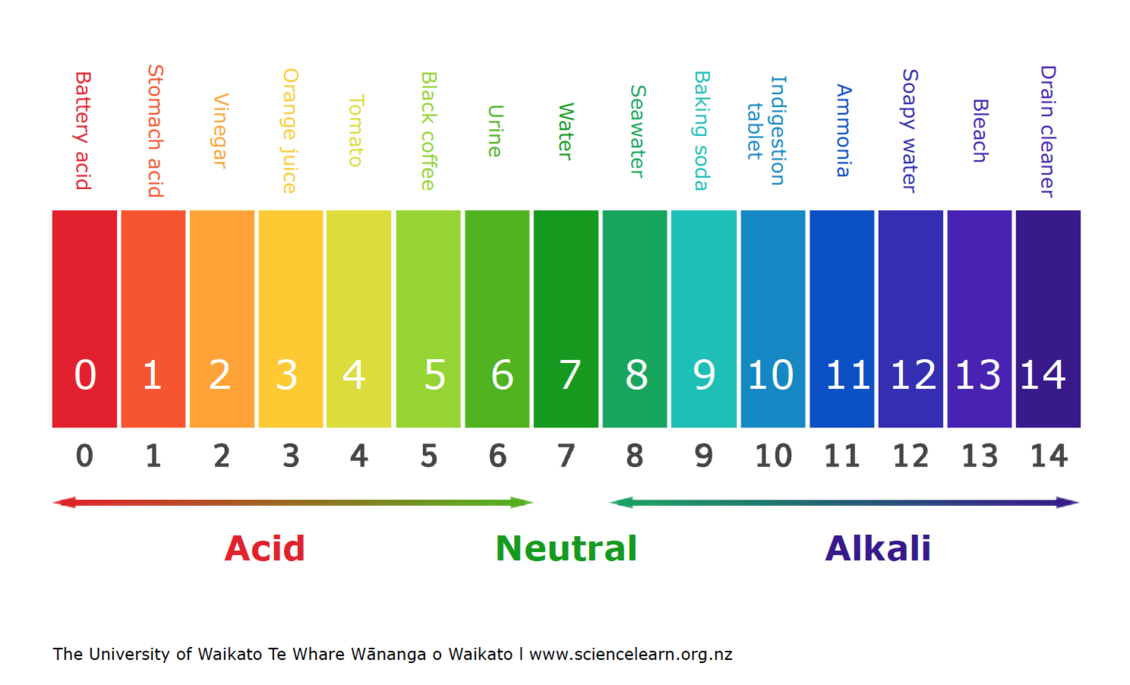
First off, what actually is pH? It’s just a fancy way of saying "potential of Hydrogen." Think of it as a popularity contest for hydrogen ions—when they’re super clingy and numerous, your solution is acidic. When they’re scarce, it’s alkaline (or basic). Everything in between? That’s the sweet spot.
Meet the Scale: From 0 to 14
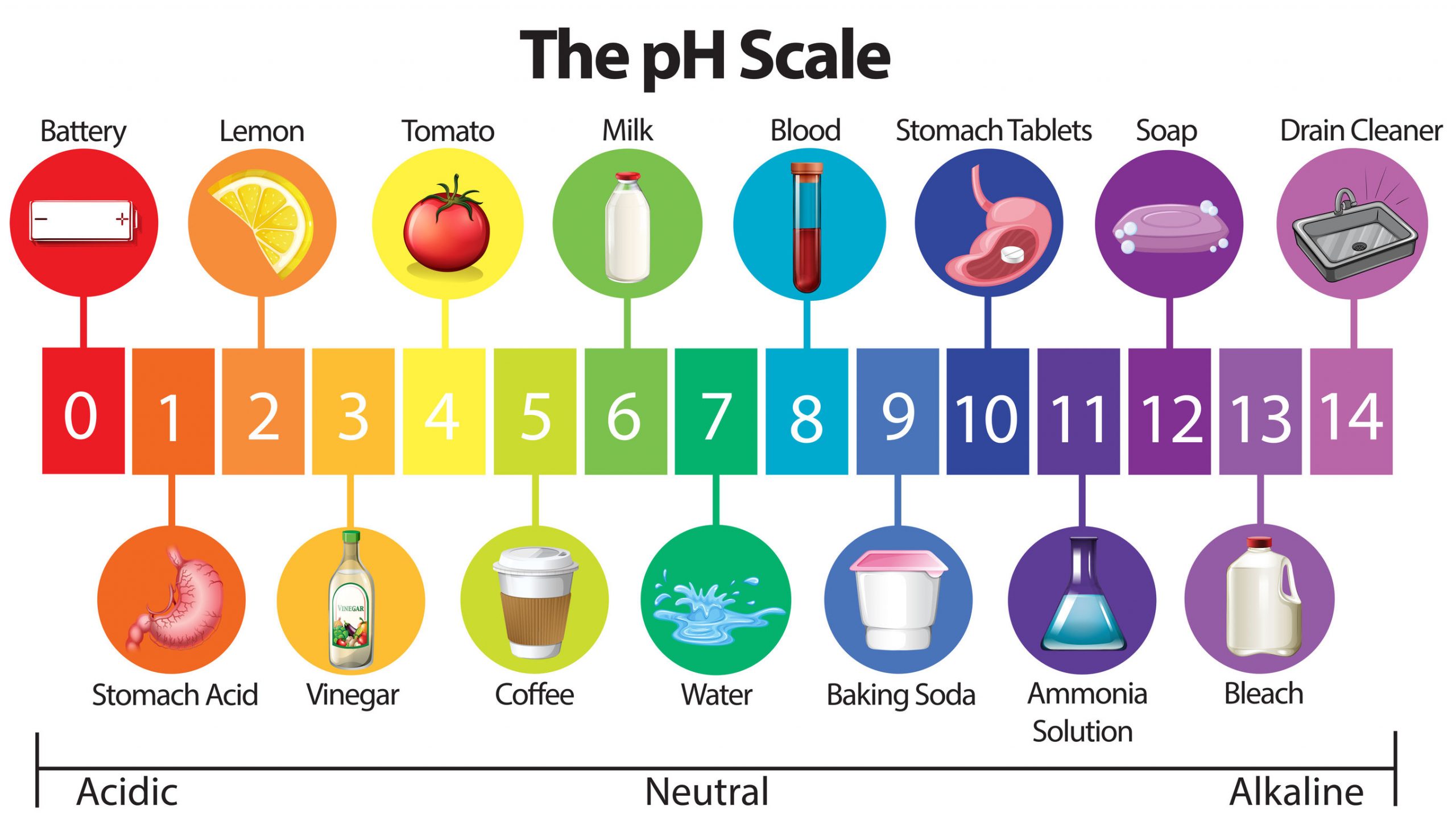
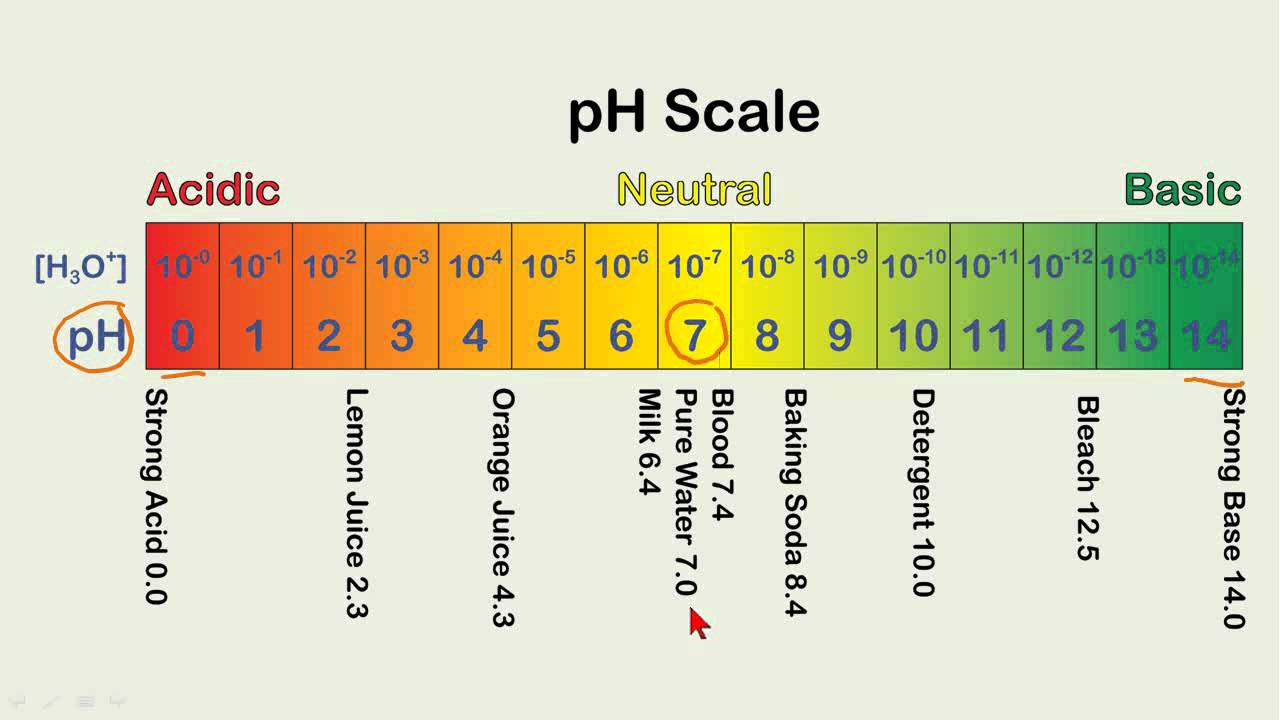
The pH scale is like a tiny little ruler that measures how angry or chill a liquid is. A pH of 7 is perfectly neutral—like pure water after a spa day. Below 7? Things get sour and cranky (hello, lemon juice!). Above 7? They’re calm and slippery (think baking soda or soap).
Must Read
Here’s the kicker: the scale is logarithmic. That’s a scary science word meaning each whole number is ten times stronger than the last. So, pH 3 is ten times more acidic than pH 4, and a hundred times more acidic than pH 5. Talk about a power-up!
Tools of the Trade: What You’ll Need
You don’t need a lab coat or a fancy degree. You just need a pH tester. The three amigos here are: test strips (the cheap, colorful paper), digital meters (the fancy electronic wand), or even red cabbage juice (yes, the veggie from your fridge—it’s a natural indicator!).
For test strips, just dip and pray—okay, just dip and compare. The color that appears matches a chart. Is it bright red? That’s acidic. Dark blue or purple? That’s alkaline. Green? You’re at neutral, and your water is basically a zen master.
Digital meters are easier. You turn them on, stick the probe into your liquid, and wait for a number. Just make sure to calibrate it first with a special buffer solution. Otherwise, your meter might lie to you, and that’s just rude.
 Oven Cleaner Ph Scale
When to Test: A pH Adventure
You can test anything. Your garden soil? Yep. Your morning coffee? Absolutely (hint: it’s acidic, around 5). Your swimming pool? Please do—nobody wants to swim in a pool that’s basically diluted battery acid.
You’ll even see those fancy bottled waters boasting a pH of 8 or 9. Is that better? Meh. Your body is a master of self-regulation, and your stomach acid is a brutal pH 2. So drinking “alkaline water” is like throwing a tiny pebble at a giant fortress. Still, it’s fun to test!
Tips to Avoid Common Blunders
Don’t touch the test strip with greasy fingers. Your skin oil will mess with the reading, and you’ll think your tap water is suddenly rancid. Also, read the strip within the time limit—most take 30 seconds to a minute. Wait too long, and the color fades like a forgotten dream.
For digital meters, rinse the probe between tests with distilled water. If you dip it from juice into milk, you’ll get a weird hybrid reading that tastes like science regret. Also, store your meter wet—most have a cap with a storage solution. Letting it dry out is like leaving a fish on the sidewalk.
Reading pH in the Wild
Imagine you’re at a party, and someone hands you a mystery drink. Is it safe? Test it! Strip turns red? That’s likely lemonade or vinegar. Turns deep blue? That’s soapy water or bleach (please don’t drink that). A pH of 7? It’s water, or the person is trying to prank you with their aquarium water.
 Ph Scale Horizontal
You can even test your skin (gently) or your urine (weird but common for diet tracking). A normal urine pH is around 6, but don’t obsess. If you eat a ton of meat, it dips lower. If you go full vegan, it rises. You are a walking chemistry set!
The Big “Why?”
Why should you care? Because life is picky about pH. Your pool needs a pH of 7.4 to kill germs without eating the tiles. Your garden’s blue hydrangeas turn pink if the soil gets too acidic. Your aquarium fish will literally have a gill-attack if the pH swings wildly. You are the guardian of balance.
Plus, it’s a fantastic party trick. You can test your friend’s kombucha, look mysterious, and say, “Hmm, this is a bit sour for a SCOBY.” They’ll be impressed, or at least confused. Either way, you win.
The Uplifting Conclusion
So there you have it: reading pH levels is basically color-matching or number-watching with a science hat on. You’re not just a person—you’re a pH ninja. You can test your morning brew, your afternoon pool, and your evening face mask without panic. And remember: a pH of 7 isn’t just neutral; it’s a zen state that we should all aspire to in our own messy lives.
Now go forth and test something random. Dip a strip in your tears? Too sad. How about your coffee? Perfect. And if your reading makes you smile, know that you’ve just become a little more connected to the awesome, bubbling chemistry of everyday life. You’re balanced, you’re curious, and you’re totally, delightfully pHenomenal. 😊
