Why Is My Water Pink

You wake up, pad into the kitchen, and fill your glass from the tap. The water looks normal—crisp, clear, inviting. But then you glance at the sink basin, and there it is: a f...
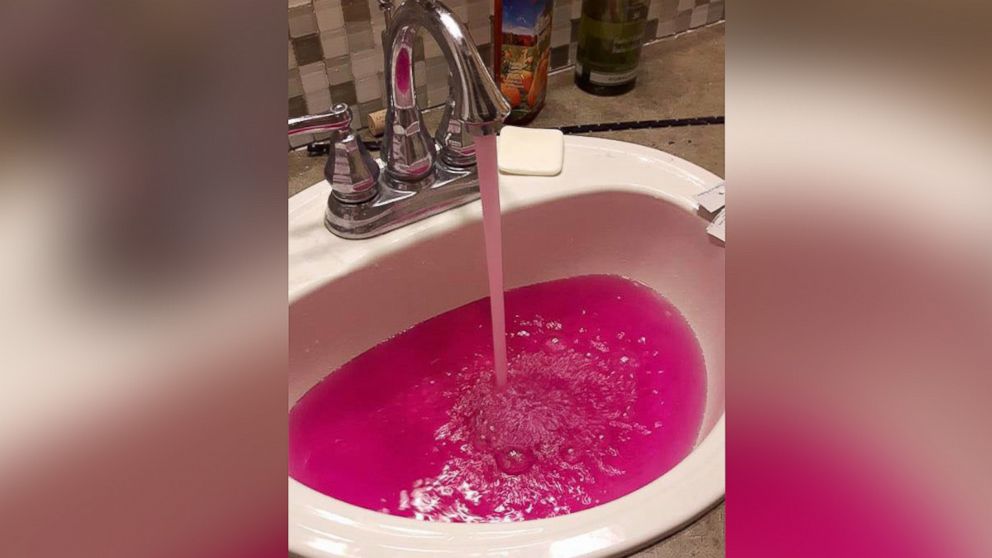
You wake up, pad into the kitchen, and fill your glass from the tap. The water looks normal—crisp, clear, inviting. But then you glance at the sink basin, and there it is: a faint, eerie pink ring around the drain. Don’t panic. You haven’t stumbled into a David Lynch film or a particularly niche horror movie—though the visual is admittedly unsettling.
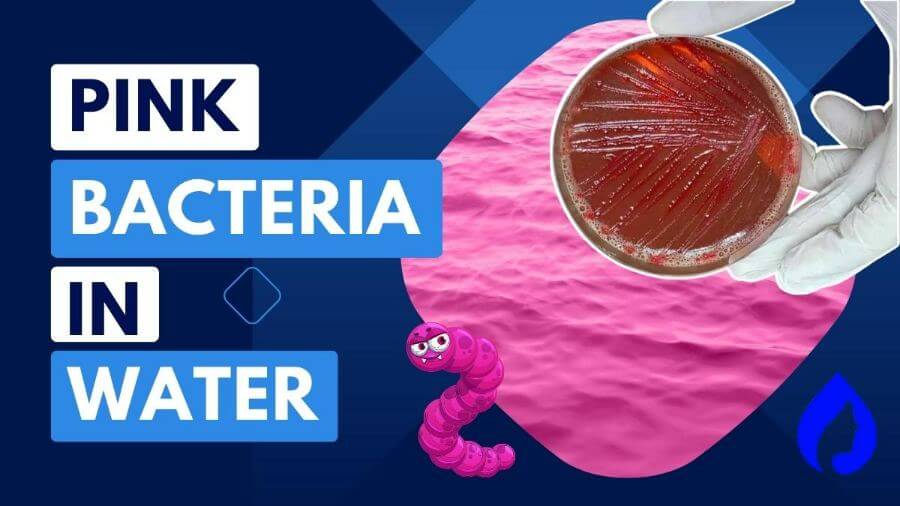
That pinkish residue is actually a common phenomenon, and it’s almost never a sign of toxic chemicals or alien invasion. The culprit is a biofilm-forming bacterium called Serratia marcescens. It thrives in moist, warm environments—think showerheads, toilet bowls, and, yes, your bathroom sink.
The Science of the “Pink Slime”
This bacterium is naturally occurring, found in soil, water, and even our own digestive tracts. It produces a characteristic red pigment called prodigiosin, which gives it that rosy hue. The color intensifies with warmth and humidity, which is why it shows up more in summer or after long, steamy showers.
Must Read
Here’s the kicker: Serratia marcescens is not typically harmful to healthy adults. However, it can be a nuisance and, for immunocompromised individuals, a potential risk. The real issue is that it signals a build-up of organic matter—soap scum, skin cells, and mineral deposits—that it feeds on.
Think of it as nature’s way of reminding you to wipe down the bathroom. It’s not a water quality problem; it’s a cleanliness problem. Your pipes and municipality water are likely safe, but your sponge game might be slacking.
Cultural Callbacks and Kitchen Sink Dramas
Pink water has a special place in pop culture. Remember the film Pleasantville? The black-and-white characters accidentally turn a single rose pink—only here, the rose is your shower floor. Or consider the infamous “pink snow” phenomenon in the Alps, caused by a different algae species. Nature just loves a blush.
For the 1960s middle-class housewife, a pink bathroom was actually a desirable design choice. Now, it’s a gentle nudge to scrub the grout. We’ve come full circle.
Practical Tips to Banish the Pink
You don’t need a hazmat suit, just a bit of routine. Start by bleaching or using a hydrogen peroxide-based cleaner on affected surfaces. Let it sit for 5–10 minutes to kill the biofilm, then scrub hard—the pink is stubborn.
For a non-toxic alternative, mix baking soda with white vinegar into a paste. Apply it, let it fizz, and then wipe away. This also tackles the mineral deposits that feed the bacteria.
 Why Is My Water Pink at Bryan Riggs blog
Prevention is your best friend. Keep surfaces dry by squeegeeing your shower walls and wiping down the sink after use. Run the fan during and after baths to reduce humidity. Your bathroom should be a sanctuary, not a petri dish.
Check your toothbrush holder and soap dish—these are prime real estate for pink slime. Wash them weekly in hot, soapy water. And don’t forget your shower curtain liner; if it’s plastic, replace it every six months, or wash it in hot water with bleach.
The “Is It Safe to Drink?” Question
If your drinking water is coming out pink from the tap, that’s a different story. That likely means potassium permanganate is being used by your water utility to treat iron or manganese. It’s generally safe in small amounts, but can stain laundry and may taste weird. Call your water company to check levels.
If the pink is only on surfaces, not in the water itself, you’re fine. The tap water you’re drinking is probably clearer than your conscience after skipping a deep-clean for a month. Don’t worry, we’ve all been there.
Fun Little Facts to Impress Friends
Serratia marcescens is an ancient bacterium. It was first discovered in 1819 by a pharmacist named Bartolomeo Bizio, who found it growing on a bloody polenta. Yes, bloody polenta. That’s where the name “marcescens” comes from—Latin for “decaying.” Charming.
During the Cold War, this bacterium was used as a biological tracer in secret military tests. They sprayed it over cities to track wind patterns without making people sick. So your pink sink is basically a Cold War relic. You’re welcome for that dinner party fact.
 Why Is My Water Pink at Bryan Riggs blog
Another fun bit: the prodigiosin pigment has been studied for its anti-cancer properties. Yes, the same stuff that ruins your shower grout might one day save lives. Science is weird and wonderful.
When to Actually Worry
If the pink residue is accompanied by a sulfur smell (rotten eggs) or a metallic taste, you might have a more serious issue like iron bacteria or a broken water heater. Call a plumber if that’s the case—don’t just scrub and hope.
But for most of us, pink water stains are a gentle, slightly gross reminder that we’re living organisms in a world full of other organisms. It’s a little humbling, isn’t it? Your bathroom sink is just practicing community living.
And honestly, a little pink might even be charming—like a watercolor accent left by a playful ghost. Just scrub it off before your in-laws visit.
A Short Reflection for Your Day
In a world that often demands perfection, pink water is a low-stakes imperfection. It’s not a crisis—it’s a nudge. A reminder that small habits—drying a sink, running a fan—keep chaos at bay. We spend so much energy managing big things: careers, relationships, mental health. Sometimes, the pink in the corner is just asking for five minutes of attention.
So go ahead. Squeegee the shower. Wipe the sink. Let that small act of care ground you. And next time you see a blush in the basin, smile—it’s just life being lively. You’ve got this.
