Why Is Ozone Harmful

Let’s be honest: ozone sounds like something you’d find in a fancy spa, right? Maybe a cloud of it drifting over a cucumber-water station at a yoga retreat. It has that clean,...
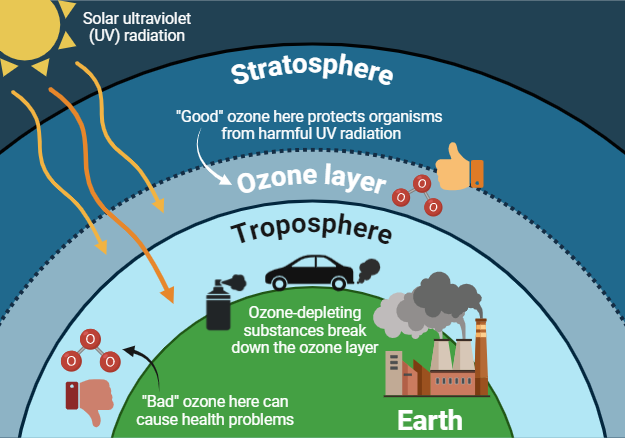
Let’s be honest: ozone sounds like something you’d find in a fancy spa, right? Maybe a cloud of it drifting over a cucumber-water station at a yoga retreat. It has that clean, crisp vibe, like the smell after a thunderstorm.
But here’s the thing—ozone is a bit of a Jekyll and Hyde character. Up in the sky, it’s our sunscreen. Down here, at ground level, it’s more like a grumpy neighbor who borrows your lawnmower and never returns it. That is the ozone we need to talk about.
The High-Altitude Hero vs. The Ground-Level Grump
High up in the stratosphere, ozone is a hero. It blocks out nasty UV rays, saving your skin from looking like a wrinkled leather handbag by age 40. Thank you, stratospheric ozone! We love you.
Must Read
But when ozone forms at ground level, it’s a whole different story. That’s because it’s created by a cocktail of car exhaust, factory fumes, and gasoline vapors cooking in the hot sun. Think of it as air that’s been left out in the sun too long—like a forgotten tuna sandwich that’s gone weirdly toxic.
Why Your Lungs Hate It (With a Little Story)
Imagine you’re on a morning jog, feeling like a champion. You take a deep, happy breath—and instead of clean air, you get a lungful of tiny chemical razors. That’s ozone at work. It’s like taking a Brillo pad to the inside of your lungs.
My friend Dave learned this the hard way. He thought he was being “one with nature” by biking during a smoggy summer afternoon. Two hours later, he was coughing like a cat with a hairball. Ozone doesn’t care about your fitness goals. It just hurts.
And it’s not just for athletes. If you have kids or grandparents, ground-level ozone can trigger asthma attacks, make you tired, and even cause permanent lung damage over time. It’s the party crasher nobody invited.
How Ozone Sneaks Into Your Life
You don’t see ozone. It’s invisible, which makes it extra sneaky. You might be having a lovely picnic, and the air looks clear, but ozone is there, playing hide-and-seek with your health. It often peaks in the afternoon on hot, sunny days.
Here’s a relatable example: You know that “fresh” smell after a summer rain? That’s actually ozone. It’s pleasant in small doses, but when it’s thick in the air, it’s like being hugged by a prickly cactus. Your eyes water, your chest feels tight, and you wonder why you left the house.
 Learn More | Ozone Garden
It doesn’t just bother humans, either. Ozone can damage plants, making your garden tomatoes look sad and stunted. Your basil plant knows what’s up—and it’s not happy.
The Smoggy Day Test: A Quick Check
Ever notice those hazy, yellow-ish afternoons in summer? That’s smog, and ozone is its main ingredient. If you step outside and your eyes start itching, your throat feels scratchy, or you suddenly crave a nap—ozone is probably the culprit.
I once drove through Los Angeles on a 95-degree day. The sky looked like a dirty milk shake. I rolled down the window for “air,” and within five minutes, my nose was running and I had a headache. Lesson learned: Keep the windows up, friends.
Why Should You Care? (Beyond the Obvious)
Caring about ozone is like caring about that weird noise your car makes. You can ignore it, but eventually, the car will cost you a lot more than an oil change. The same goes for your health. Ozone exposure adds up over time.
Prolonged contact can lead to chronic lung problems, increased hospital visits, and even premature aging of your lungs. Think of it as a retirement plan you never wanted—for your respiratory system. And no one wants a retirement plan that involves oxygen tanks.
Plus, there’s the fun factor. High ozone days mean you can’t let your kids play outside, you can’t enjoy your morning run, and your dog looks at you sadly from the window. It steals your summer joy.
 Harmful Effects Of Ozone Layer Depletion
How to Outsmart It (Without Moving to Antarctica)
You don’t need to become an environmental scientist. Just be a little smart about your day. Check the Air Quality Index (AQI) on your weather app—if it’s orange or red, take it easy.
Plan your outdoor exercise for the morning or evening. That’s when ozone levels are lower, and you’ll feel like a hero instead of a rag doll. Also, avoid idling your car. That three-minute wait for your coffee is a mini invitation to ozone.
Use public transport, bike (on the right days), or carpool. It sounds preachy, but every little bit helps. And honestly, your lungs will thank you with every breath you don’t struggle with.
The Bottom Line: Be Ozone-Smart, Not Ozone-Dumb
Ozone is not your enemy when it’s 20 miles up. But when it’s hanging out at your barbecue, it’s a buzzkill. Treat it like that one relative who always argues politics at dinner. You don’t invite trouble, and you definitely don’t inhale it deeply.
So next time you see a hazy, hot day, remember: that invisible grump is lurking. But you’re smarter now. You know to hydrate, stay cool, and wait for the evening breeze. Your lungs are worth it.
And hey, if all else fails, just remind yourself: ozone is a moody, beautiful sky-creature best admired from a distance. Like a celebrity or a wasp nest. Appreciate it, but keep your space.
