How To Check Ph Level

So, you want to check pH? You’ve come to the right place. Let’s dive into the world of acidity and alkalinity—it’s way more fun than high school chemistry class. Trust me. Wh...

So, you want to check pH? You’ve come to the right place. Let’s dive into the world of acidity and alkalinity—it’s way more fun than high school chemistry class. Trust me.
What Even Is pH?
pH stands for “potential of hydrogen.” Fancy, right? Basically, it’s a scale from 0 to 14 that tells you how acidic or basic something is.
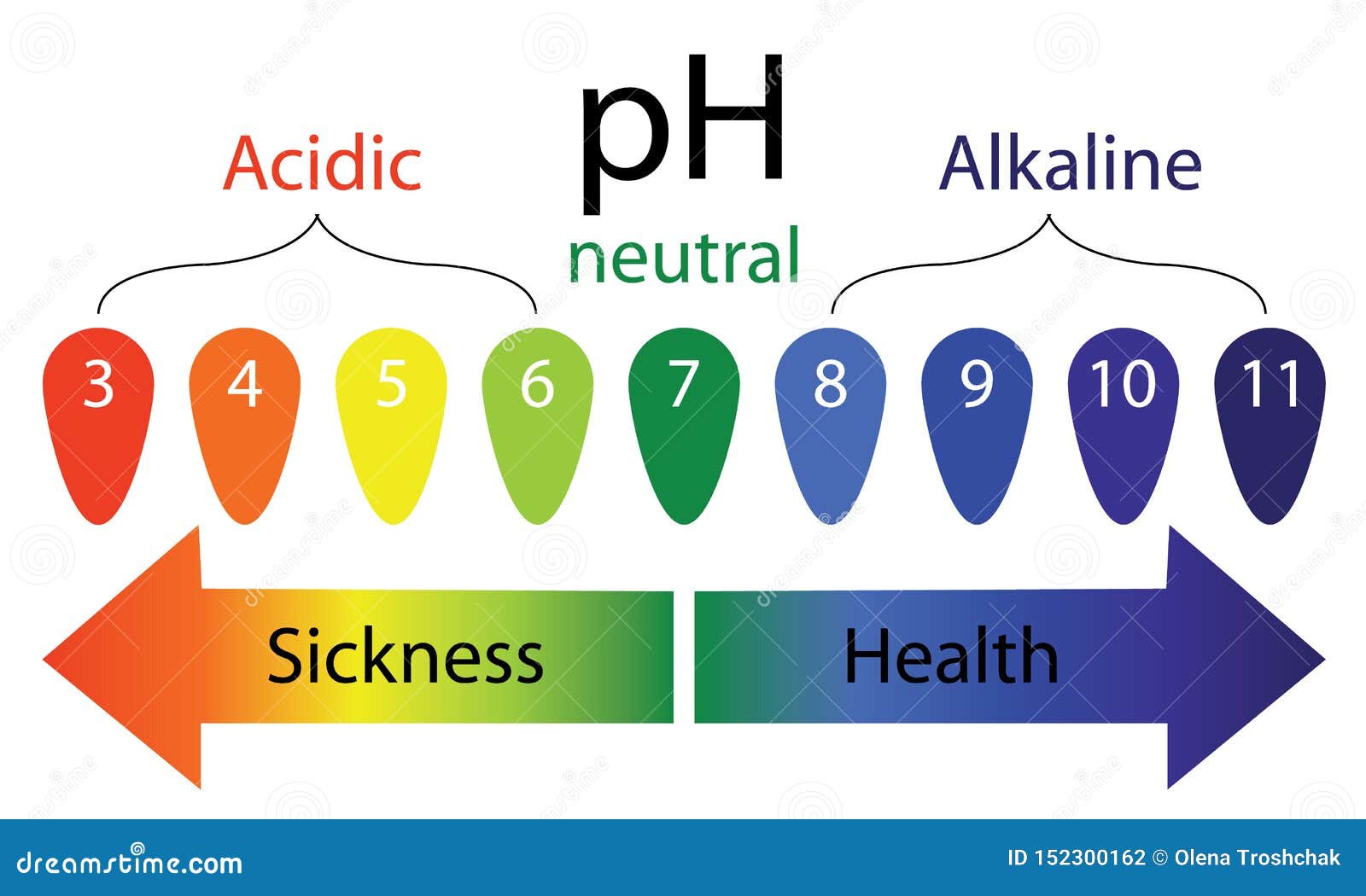
Think of it like a personality test for liquids. A pH of 7 is neutral—like pure water, the ultimate introvert. Below 7? That’s acid territory, and above 7 is basic (also called alkaline).
Must Read
Here’s the kicker: Each number is ten times more powerful than the one next to it. So pH 3 is not twice as acidic as pH 4—it’s ten times stronger. Mind blown yet?
Why You’d Even Care
Maybe you’re a gardening guru. Your tomatoes hate acidic soil—they’ll throw a hissy fit. Or you’re a pool owner, and you don’t want your eyes burning like a jalapeño bath.
Perhaps you’re just curious about what’s in your tap water. Or you want to test your homemade kombucha before it turns into vinegar. We’ve all been there.
Heck, even your skin has a pH. Getting it wrong can make you break out like a teenager before prom. So yes, this matters.
Method One: Litmus Paper (The Classic)
This is the OG method. You grab a little strip of paper, dip it in your liquid, and watch the magic happen. The paper changes color based on the pH.
Red means acid, blue means base. But spoiler alert: it’s not super precise. You’ll get a range, like “acidic” or “basic,” not a specific number. Still, it’s satisfying to watch the color shift.
Funny detail: these strips were invented in the 1800s. People back then probably tested their soup. I don’t blame them—Victorian cooking was suspicious.
How to Use It Right
Dip the strip for exactly one second. Don’t wave it around like a flag. Then compare the color to the chart on the box—it’s like matching paint swatches, but for science.
 How To Check Ph Value Of Human Body at Marjorie Summerville blog
Pro tip: don’t touch the testing end with your fingers. Your skin has oils that’ll mess it up. You’ll end up testing your own sweat, and that’s just weird.
Method Two: pH Meters (For the Nerds)
These are little electronic gadgets with a probe. You stick the probe in your liquid, press a button, and bam—a digital number. So satisfying. You get exact readings down to two decimal places.
But here’s the catch: they need calibration. That means you dunk them in special solutions first. Skip that step, and your meter will lie to you. A pH of 7 could show up as 9. Your tomato plants will know.
Quirky fact: expensive lab meters cost thousands. The cheap ones at home stores? They vibrate if you drop them in the sink. True story.
Method Three: Red Cabbage (Weird Science)
Yes, you read that right. Boil some red cabbage, and the purple water becomes a natural pH indicator. Pour a little into your mystery liquid, and watch the color explode.
Acid turns it pink. Base turns it green or yellow. It’s like a rainbow in a glass—and you can drink the cabbage later (don’t, actually). This works because of anthocyanins, the same stuff in blueberries.
I once used this to test my friend’s soda. It turned bright pink. He still drank it. He was fine.
Everyday Items That Scream pH
Your morning coffee? A happy 5 on the scale. Battery acid? A terrifying 0. Bleach? A chill 12.5. Fun fact: your stomach acid is pH 2—strong enough to dissolve a razor blade (please don’t test this).
 How To Test Your Ph Level Without Strips at Katrina Bates blog
Even rain has a pH. Normal rain is slightly acidic at about 5.6. But acid rain? That can hit 4.0. It’s basically the sky spitting on us with a lemon-sucking attitude.
And here’s a gem: pure water at room temperature has a pH of 7. But heat it up, and its pH drops below 7. Water is sneaky.
Common Mistakes to Avoid
Don’t use expired strips. They fade like an old T-shirt. And don’t leave your meter in direct sunlight—it gets moody. Seriously, electronics hate UV rays.
Also, if you test bubbly soda, swirl it first. The carbonation creates carbonic acid, making it seem more acidic than it is. You don’t want a false panic attack.
Finally, don’t lick the paper. I know it’s tempting. But litmus paper isn’t candy—it’s dyed with chemicals. Save your taste test for the cabbage method instead.
Why This Is Just Fun
Testing pH makes you feel like a mad scientist in your own kitchen. You’ll start testing everything: your tap water, your orange juice, your dog’s drool (please don’t). It’s a cheap, weird hobby.
You’ll also discover that different brands of bottled water have totally different pH. Some are acidic, some basic. It’s a conspiracy no one talks about. The truth is in the puddle.
So go ahead—buy a pack of strips, boil some cabbage, or splurge on a meter. Unlock the secret life of your liquids. You’ll never look at a glass of water the same way again.
And remember: if your pH is off, you can fix it. Add a little lemon to lower it, or baking soda to raise it. You’re the boss of your pH universe. Now get testing—your chemistry adventure starts now.
