How To Check Water Ph

You know that slightly panicked feeling when you buy a new plant, bring it home, and suddenly realize you have no idea what it needs to thrive? Or maybe you’re staring at a cl...
You know that slightly panicked feeling when you buy a new plant, bring it home, and suddenly realize you have no idea what it needs to thrive? Or maybe you’re staring at a cloudy glass of tap water, wondering if it’s secretly plotting against your morning coffee. That’s where checking water pH comes in—it’s like giving your water a little personality test.
Think of pH as a scale for mood—from angry acidic (0) to chill alkaline (14), with a perfectly balanced 7 being neutral. Most of us are just trying to keep our fish, plants, skin, or even our home-brewed kombucha from throwing a tantrum. And honestly? It’s much easier than it sounds.
Why should you even care?
Let’s be real: you’ve got enough on your plate without adding “water chemist” to the list. But here’s the thing—your garden is basically a picky eater, and your skin is a drama queen. If the water is too acidic, it can burn your tomato plants or make your hair feel like straw after a shower.
Must Read
Too alkaline, and your beloved orchid might just give up and drop its flowers out of spite. Even your morning coffee or tea tastes different depending on your water’s pH—so maybe that bitter cup isn’t your brewing skills, it’s the water’s fault. Suddenly, caring about pH feels less like a chore and more like saving your favorite things from disaster.
The super-easy ways to check it
You don’t need a lab coat or a fancy degree. Checking pH can be as simple as a dip, a squirt, or a button press. Let’s break down the three most common methods, starting with the one that feels like a childhood science project.
The classic test strips
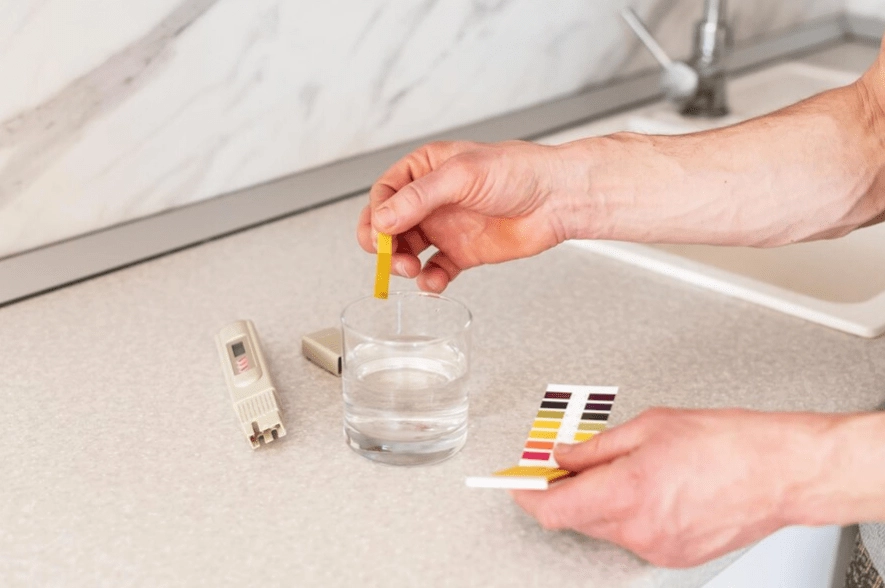
Grab a pack of pH test strips from the pet store, garden center, or online—they cost less than your lunch. Fill a clean glass with your water, dip a strip in for a few seconds, and watch the magic happen. The strip changes color, and you match it to a chart on the bottle.
It’s so easy you could do it while waiting for your toast to pop. The downside? Reading the color can be a bit like guessing if that paint swatch is “mint” or “puke green,” but you’ll get the hang of it. This method is perfect for a quick, no-fuss check on your tap water or aquarium.
 What is the PH Value of Water: All You Need to Know About It
The liquid drop kit
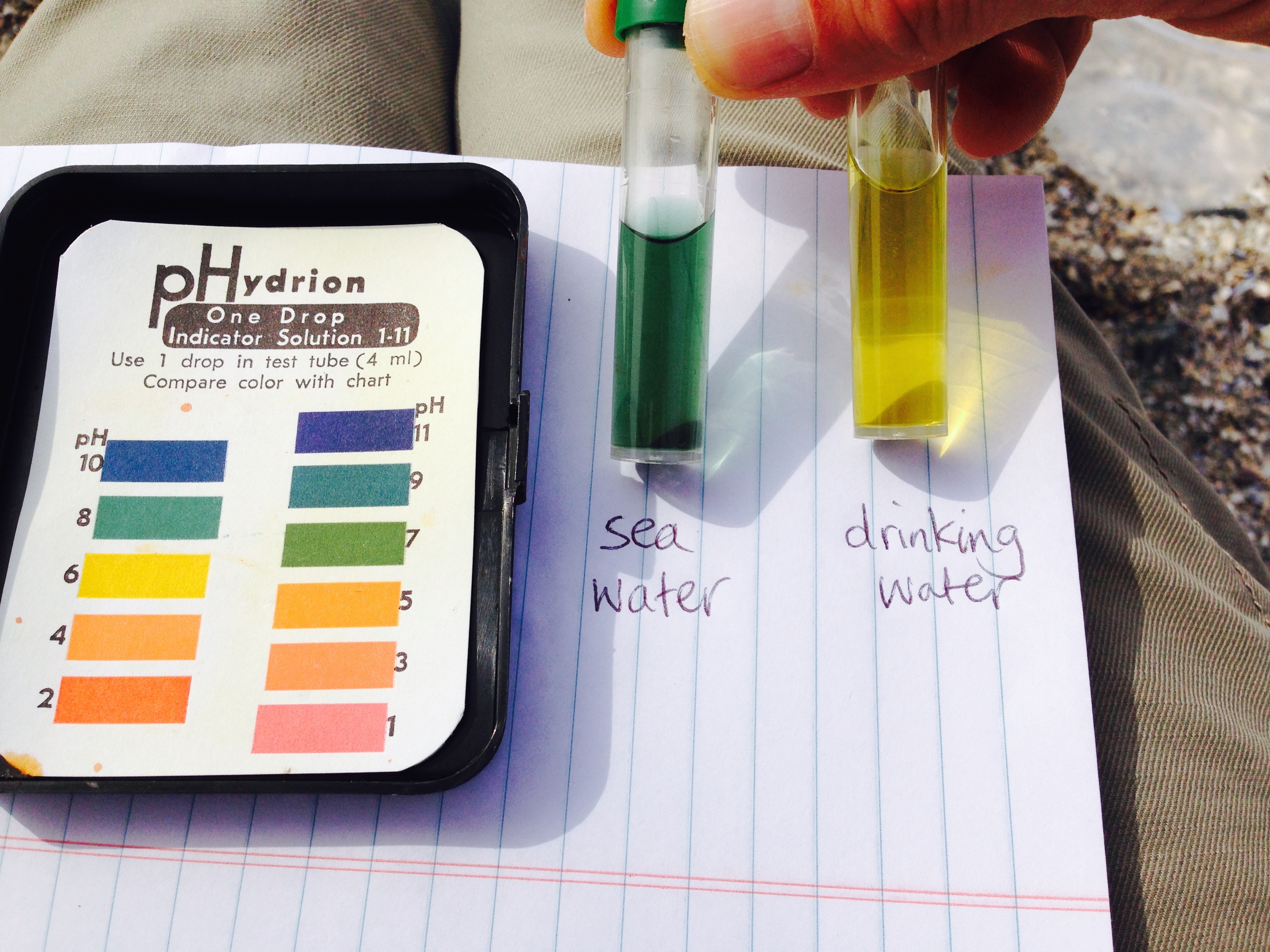
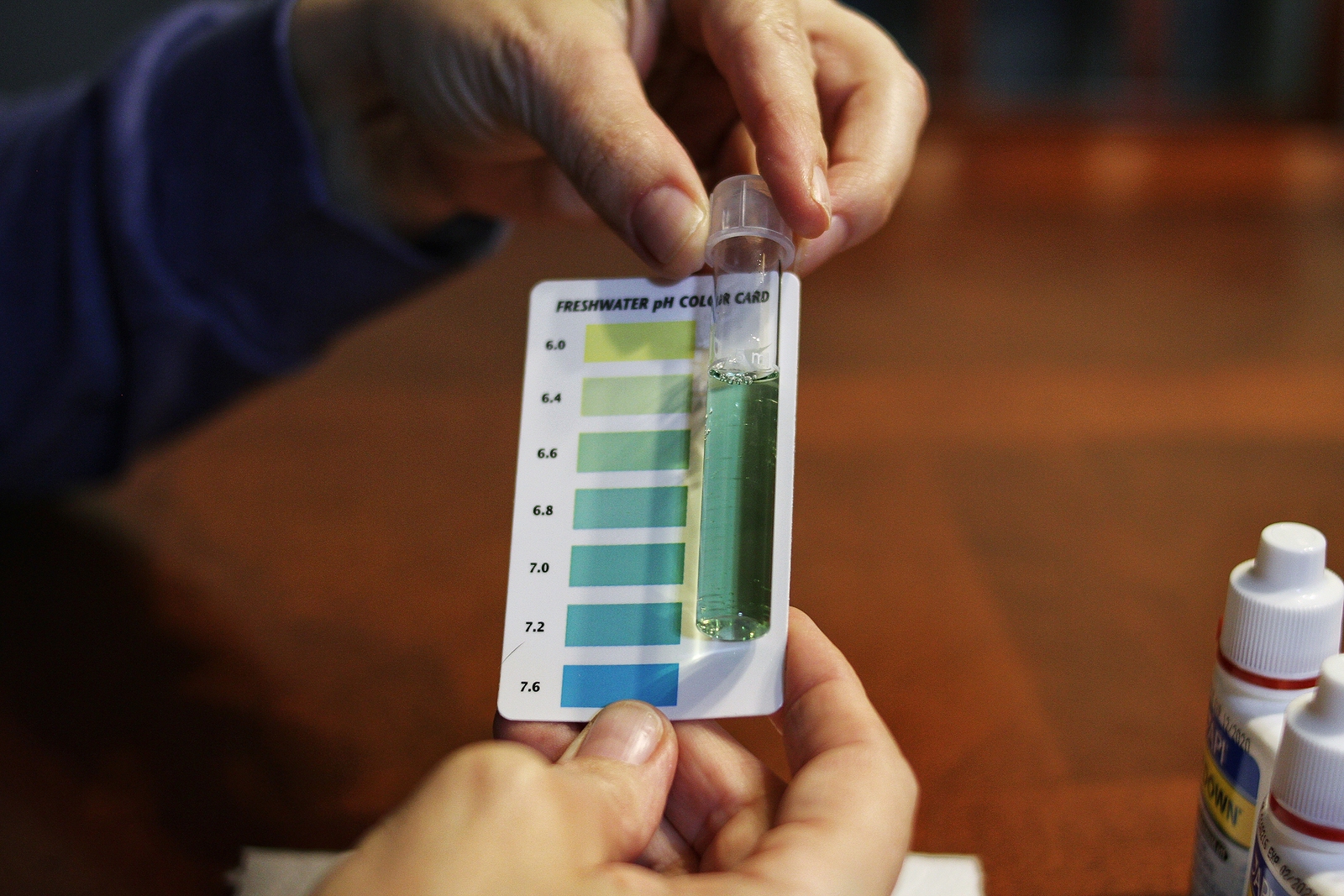
Remember those little chemistry sets from when you were a kid? This is the grown-up version. You add a few drops of a special liquid to a sample of your water, and it turns a color—pretty satisfying stuff. It’s actually more accurate than strips because you can usually read the color a bit easier.
I use this one for my picky koi pond, because fish are terrible at telling you what’s wrong until they start floating upside down. It takes about thirty seconds, and you feel like a proper scientist for a moment.
The fancy digital meter
If you’re the type of person who loves gadgets and precision, this is for you. You just turn it on, stick the probe in the water, and boom—a number appears on the screen. No color guessing, no charts, just pure, cold data.
My buddy Mike uses one for his espresso machine because he swears it makes his coffee taste “smoother.” Is he a water snob? Absolutely. But his coffee is also amazing, so maybe he’s onto something. The downside is you have to clean and calibrate it every so often, which feels like homework.
When to actually check it
You don’t need to test your glass of water every hour like a paranoid goldfish. Check it once a week if you’re keeping fish or growing tomatoes, or just whenever something seems off—like your plant leaves turning yellow for no reason. Also, check it after heavy rain if you have a garden pond, because rain can mess with the balance.
 Ph Of Drinking Water Test | How To Measure Ph In Water – RYJIWN
And definitely check it if you’re trying to make kombucha or sourdough starter. Those little microbes are super fussy and will literally stop fermenting if the pH is wrong. I once killed an entire batch of kombucha because I was too lazy to test, and my kitchen smelled like a sad sock for a week.
What do you do with the number?
Okay, so you got a reading. If it’s between 6.5 and 7.5, you’re golden—your water is basically a neutral, friendly ghost. If it’s lower (acidic), you can add a tiny pinch of baking soda to raise it, but go slow! For plants, you can buy pH “up” or “down” solutions from any garden store.
For your fish tank, you never want to change pH fast—that’s how you stress out your finned friends. Instead, make small adjustments over a few days. And for drinking water? Honestly, unless it’s extreme, your body has its own pH balancing system, so don’t stress too much.
A little story to leave you with
Last summer, my neighbor Linda asked why her hydrangeas were staying stubbornly pink instead of turning blue like she wanted. I handed her a test strip, and her water was way too alkaline. We added a little coffee grounds to the soil, and within two weeks, those flowers started shifting to a soft purple.
Linda now checks her water pH every single weekend, not because she has to, but because she likes feeling in control of her tiny garden universe. And honestly? That little strip of paper gave her so much joy. So grab a kit, test your water, and start bossing around your plants or your coffee. You’ve got this.
