What Is Ppm Of Water

So, you’ve heard someone toss around the term “ppm of water” and nodded along, pretending you knew exactly what it meant? Don’t worry, we’ve all been there. It sounds like som...
So, you’ve heard someone toss around the term “ppm of water” and nodded along, pretending you knew exactly what it meant? Don’t worry, we’ve all been there. It sounds like something a chemist would say while adjusting their lab coat and judging your tap water.
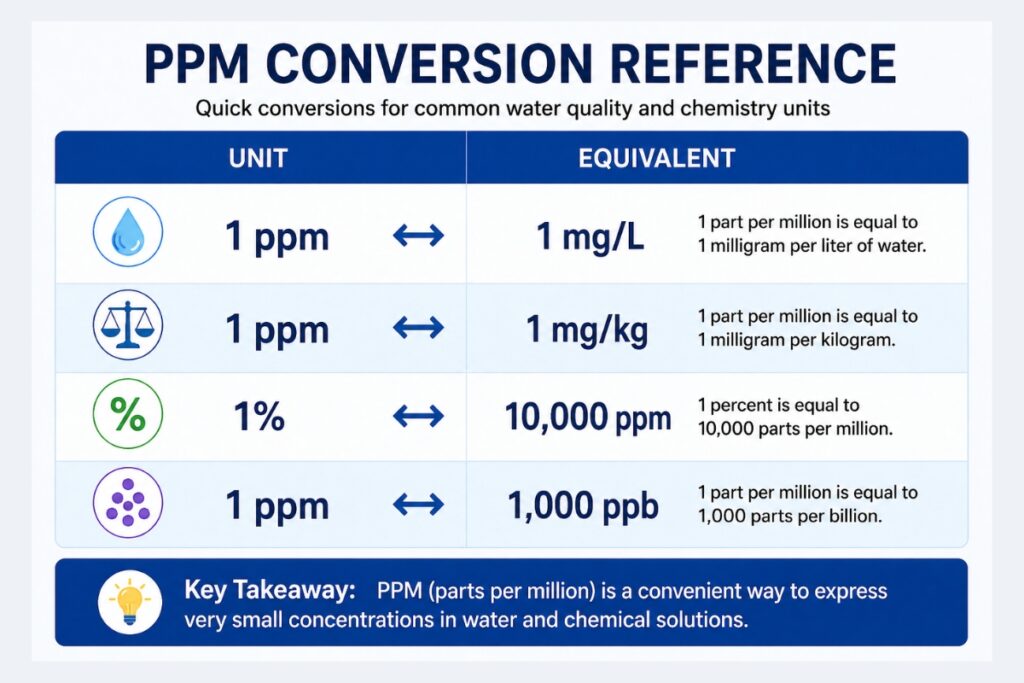
Let’s cut through the jargon. Ppm stands for parts per million. Imagine you have a million little water molecules hanging out at a party. Ppm is just counting how many of them are actually not water—like minerals, chlorine, or that weird metallic taste you sometimes get.
Think of it like this: one ppm is roughly one drop of something weird in a big tank of water. If your water has 300 ppm of dissolved solids, that’s like having 300 party crashers in a crowd of a million pure water molecules. Not a disaster, but definitely a bit crowded.
Must Read
Why should you care about ppm?
Because your water is trying to tell you something, and ppm is its secret language. Low ppm water (like 0-50) tastes like nothing—it’s almost too pure, like drinking air. That’s your distilled water or reverse osmosis stuff. Great for coffee, weird for thirst.
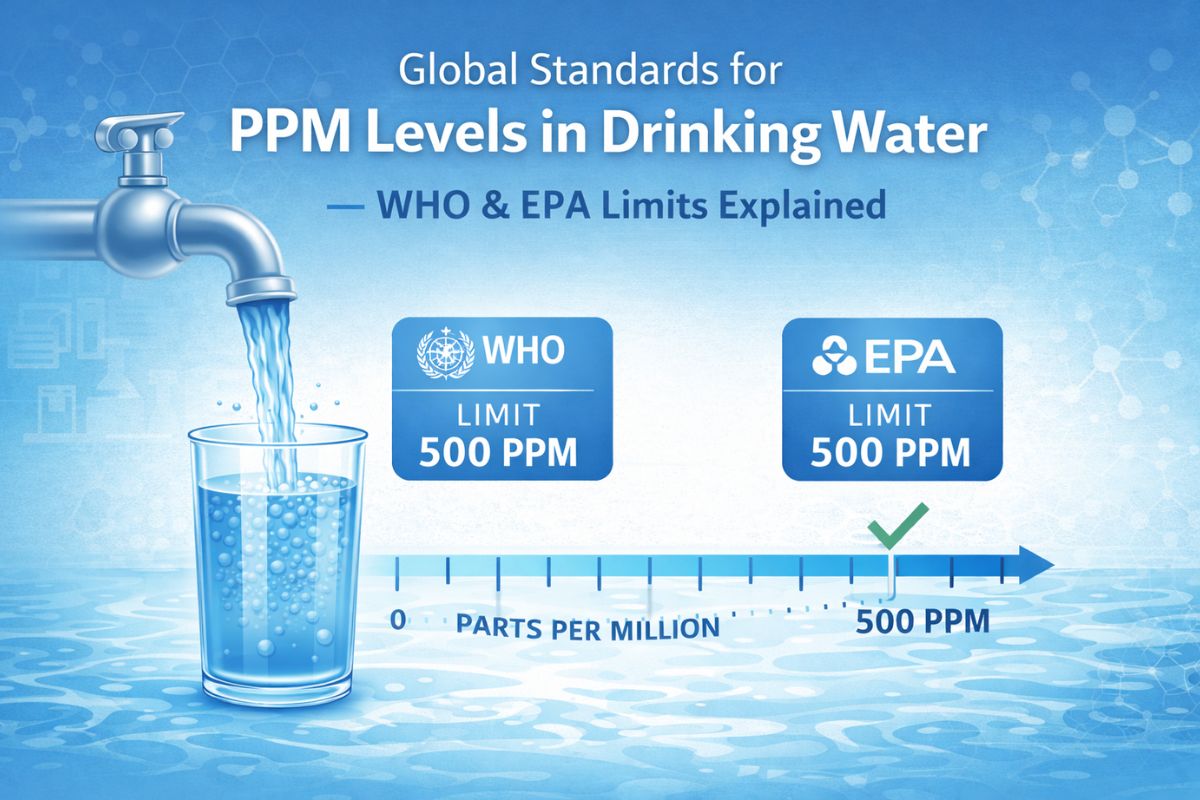
High ppm water (anything above 500) is where things get chunky. You’ve got calcium, magnesium, and maybe a little bit of dirt. This is what gives your tap water that “mineral” taste—or, let’s be real, that “I left my cup out overnight and now it’s dusty” vibe.
And here’s the kicker: your water’s ppm isn’t just about taste. It’s about your plumbing. High ppm means hard water, which means scaling on your showerhead and that white crusty stuff on your kettle. You know the one—it looks like a fossil.
How do you measure this party crasher count?
You don’t need a chemistry degree. Grab a little gadget called a TDS meter (Total Dissolved Solids meter). It’s basically a fancy stick. Dip it in water, it screams a number at you, and boom—you’re a water detective.
 How To Calculate PPM – Step-by-Step Parts-Per-Million Formula Guide
Pro tip: test your tap water, then test your filtered water. You’ll feel like a wizard when you see the number drop. “I just saved 200 ppm of calcium from ruining my morning tea!” Go ahead, brag to your plants. They’ll understand.
But wait—don’t freak out if your water is high in ppm. Not all dissolved solids are evil. Some are good minerals like potassium and magnesium. Your body actually likes those. It’s when you cross into the 1000+ zone that you start drinking something closer to a crushed-up rock smoothie.
The coffee test (because coffee is life)
Ever wonder why your coffee at home tastes flat compared to the fancy café? Ppm is your culprit. Specialty coffee nerds swear by water with a ppm between 100 and 150. Too low, and your coffee tastes sour and thin. Too high, and it gets bitter and muddy.
So if you’re serious about your morning caffeine, check your water’s ppm. Or don’t—and just blame the barista. (We all do that anyway.)
 Parts Per Million Calculation: Formula, Examples & Complete Guide
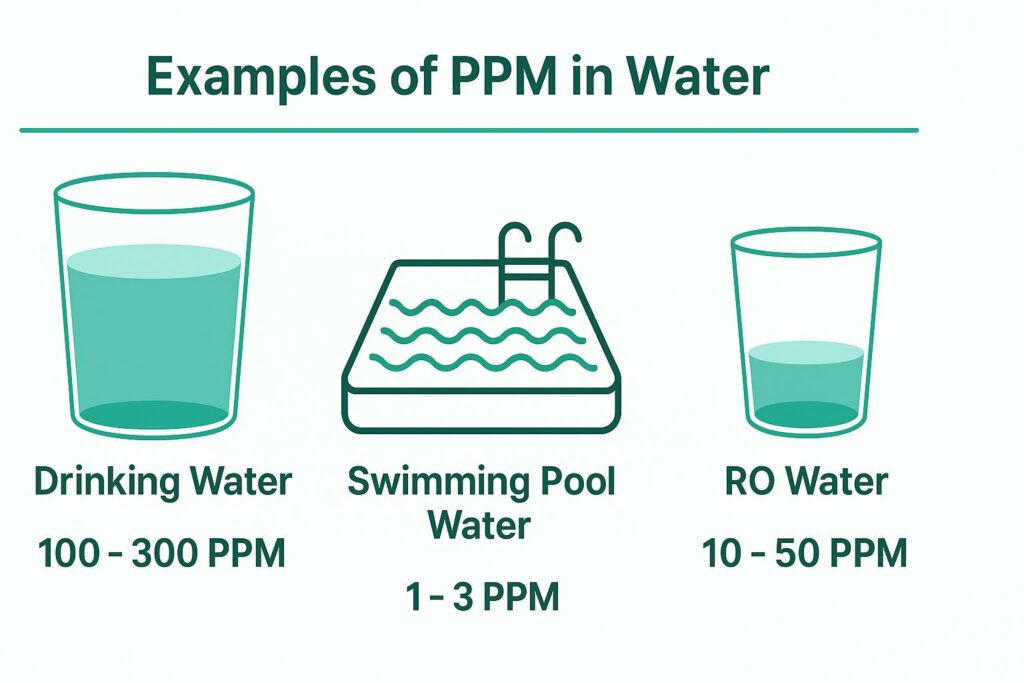
And no, you don’t need to memorize a number. Just remember: under 100 ppm is spa water for rich people. 100-300 ppm is normal, happy water. 300-500 ppm is getting crunchy. Anything over 500? You might want to think about a filter unless you enjoy chewing your water.
A little exaggeration, because why not?
If your water had a ppm of 10,000, you could probably walk on it. It would be less water and more a liquid sidewalk. I’m being dramatic, but only a little. Seawater is about 35,000 ppm, and trust me, you don’t want to chug that unless you’ve been lost at sea for three days.
So next time someone says, “What’s the ppm of your water?” you can casually reply, “Around 150, like a good espresso shot.” They’ll be impressed. Or confused. Either way, you win.
And if someone gives you a weird look, just shrug and say, “It’s just water, but measured.” Then sip your glass with the confidence of a person who now knows what ppm actually means. Cheers to that. Now go test your tap water—I dare you.
