What Is A Tds Tester

Ever taken a sip of water and thought, “Hmm, that tastes a bit… off”? Or maybe you’ve noticed a chalky residue on your favorite coffee mug? That’s where a TDS tester comes in,...
Ever taken a sip of water and thought, “Hmm, that tastes a bit… off”? Or maybe you’ve noticed a chalky residue on your favorite coffee mug? That’s where a TDS tester comes in, my friend—a tiny gadget that feels like a secret decoder ring for your tap water.
So, What’s a TDS Tester, Exactly?
First, let’s crack the code: TDS stands for Total Dissolved Solids. A TDS tester is a small, pen-shaped device that measures how many little particles—minerals, salts, metals, and even organic stuff—are floating around in your water. You dunk it in, press a button, and boom—you get a number that tells you how “pure” or “packed” your H2O really is.
Think of it like a crowd counter for a party. A low number means a quiet VIP lounge (think distilled water). A high number? That’s a packed dance floor with calcium, magnesium, and maybe some rust guests! It’s not about good or bad—it’s about knowing what’s in your glass.
Must Read
Why Should You Care? (Spoiler: It’s Fun!)
Here’s the kicker: your water tells a story, and a TDS tester lets you be the detective. That weird aftertaste from your tap? The tester can confirm it’s high in minerals. That bottled water you swear by? You can test it against your filtered tap and compare the scores. It’s like a science experiment you can drink!
And it’s not just water. You can test your fish tank, your garden hose, or even that mysterious pond at the park (don’t drink that one, okay?). Suddenly, the world becomes a collection of intriguing numbers waiting to be discovered.
How to Use It (Easier Than Making Toast)
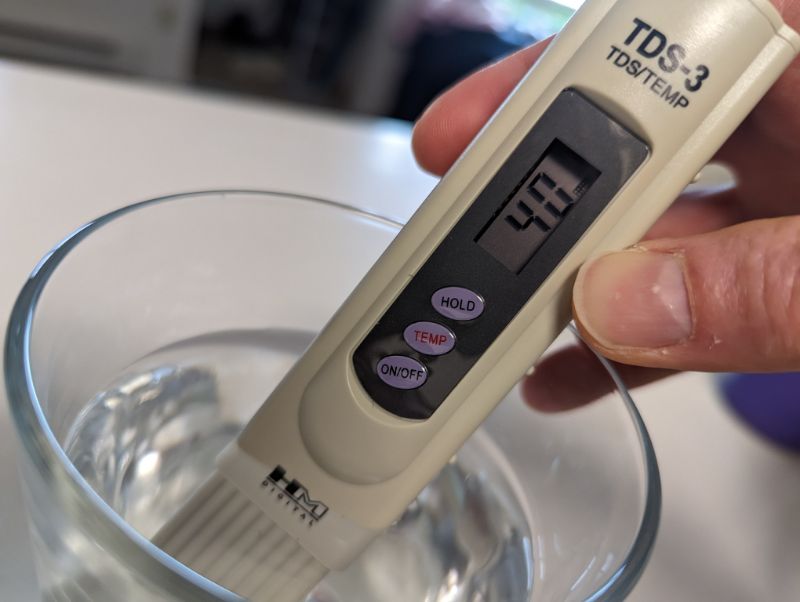
Honestly, if you can turn on a flashlight, you can master a TDS tester. Fill a clean glass with your water—cold or warm, doesn’t matter. Turn the tester on, plunk it in, give it a gentle swirl, and wait for the screen to stop jumping around. Write down the number. Done!
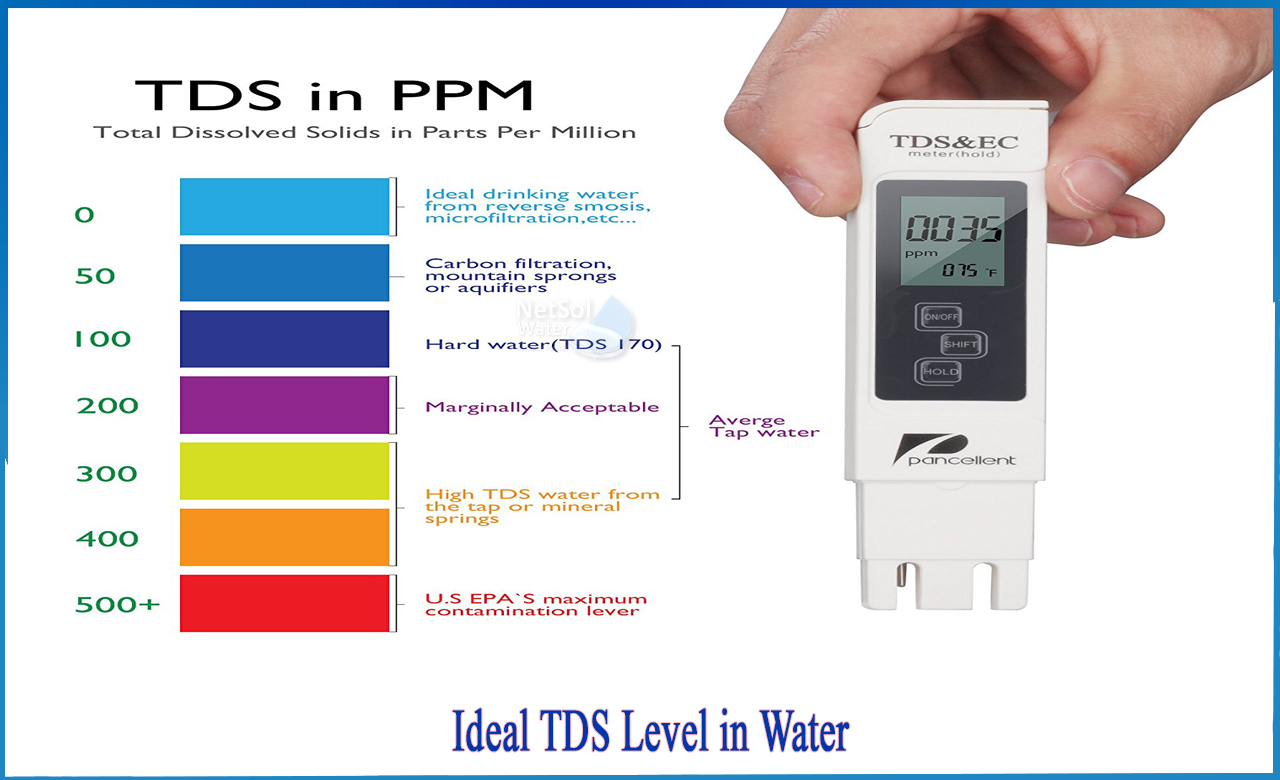
 What is the Ideal TDS of RO Water?
Most testers give you a reading in parts per million (ppm). Here’s a quick cheat sheet: 0–50 ppm is super pure (like rain or distilled water). 50–300 ppm is typical tap or spring water. Above 500 ppm? You’ve got some mineral-rich water there, which is fine—but might not taste amazing in your tea.
The Little Ways It Makes Life More Fun
Here’s where it gets delightfully nerdy: Challenge your friends to a “water taste test” at your next dinner party. Fill three glasses: tap, filtered, and bottled. Have everyone guess which is which, then reveal the TDS numbers. Cue the gasps! You’ll be the hero of hydration, and someone might finally understand why their morning coffee tastes like a swimming pool.
Or, take a TDS tester on a road trip. Test the water at every diner and rest stop—I promise it becomes a silly obsession. I once discovered a gas station in Ohio with water purer than my bottled stuff. True story.
 What Does A Tds Water Tester Do at Joannie Adams blog
But Wait—Is a Lower Number Always Better?
Not so fast! Low TDS doesn’t mean “healthy.” Distilled water (0-10 ppm) tastes flat because it lacks minerals our bodies like. Reverse-osmosis water is very low, but it can pull minerals from your body if you drink only that. Balance is key. Most experts say 150–300 ppm is a sweet spot for tasty, mineral-rich water.
And here’s the twist: a TDS tester can’t tell you if the water is safe from bacteria or chemicals. It’s a numbers tool, not a safety cop. So if your reading is super low, don’t skip your city’s water report—use the tester as a friendly starting point, not a final verdict.
An Uplifting Note (You’re Already Curious!)
See? A little $15 gadget can turn a boring glass of tap water into a personal adventure. You start noticing things—how much your water changes from one town to the next, how a filter makes a difference, how your body feels when you drink water that’s just right. It’s not about being a water snob; it’s about being curious about the world around you.
So go ahead—order a TDS tester, dunk it in something surprising, and let that tiny number spark a bigger question: “What else don’t I know about the everyday things I take for granted?” That’s the real magic. Your next sip just got a whole lot more interesting—and that’s worth getting excited about.
