How To Test My Water

Let’s be real for a second. You probably think about your water about as often as you think about your left kneecap—it’s just there, doing its thing. But one day, your morning...

Let’s be real for a second. You probably think about your water about as often as you think about your left kneecap—it’s just there, doing its thing. But one day, your morning coffee tastes like a petting zoo, or your shower leaves you feeling like a fossilized lizard. That’s when you realize: you need to test your water.
Don’t panic. Testing your water isn’t some lab-coat, beaker-swirling nightmare. It’s more like a home science fair, but without the volcano made of baking soda and your dad’s awkward encouragement.
The "Why" Behind the Splash
First, ask yourself why you’re testing. Is it because your water smells like a swimming pool that’s seen better days? Or maybe the dog refuses to drink from the bowl, and you’re pretty sure he’s smarter than you.
Must Read
Maybe your pipes are older than your grandpa’s favorite radio. Or you just moved into a new place, and the previous owner sprayed something that rhymes with “besticide” in the yard. Whatever the vibe, there’s a test for that.
If you’re on a private well, you’re basically your own water company. Congrats, you’re the CEO of H2O Inc. That means you need to test at least once a year for bacteria, nitrates, and anything that sounds like a rejected Transformer name (like “total dissolved solids”).
Grab a Test Kit That Doesn’t Judge You
You can buy a test kit at your local hardware store, right next to the paint swatches that look like weird soup colors. These kits are stupidly simple. You dip a strip, wait sixty seconds—which is forever when you’re just standing in your kitchen—and then compare the color to a chart.
It’s like a mood ring for your plumbing. If the strip turns a shade that looks like “hazardous sludge green,” you’ve got issues. If it looks like “cloudy day pee yellow,” you’re probably fine.
Just remember: don’t use your toilet water for the sample. Yes, I know you’re busy. But please, for the love of all that is holy, let it be from the kitchen tap.
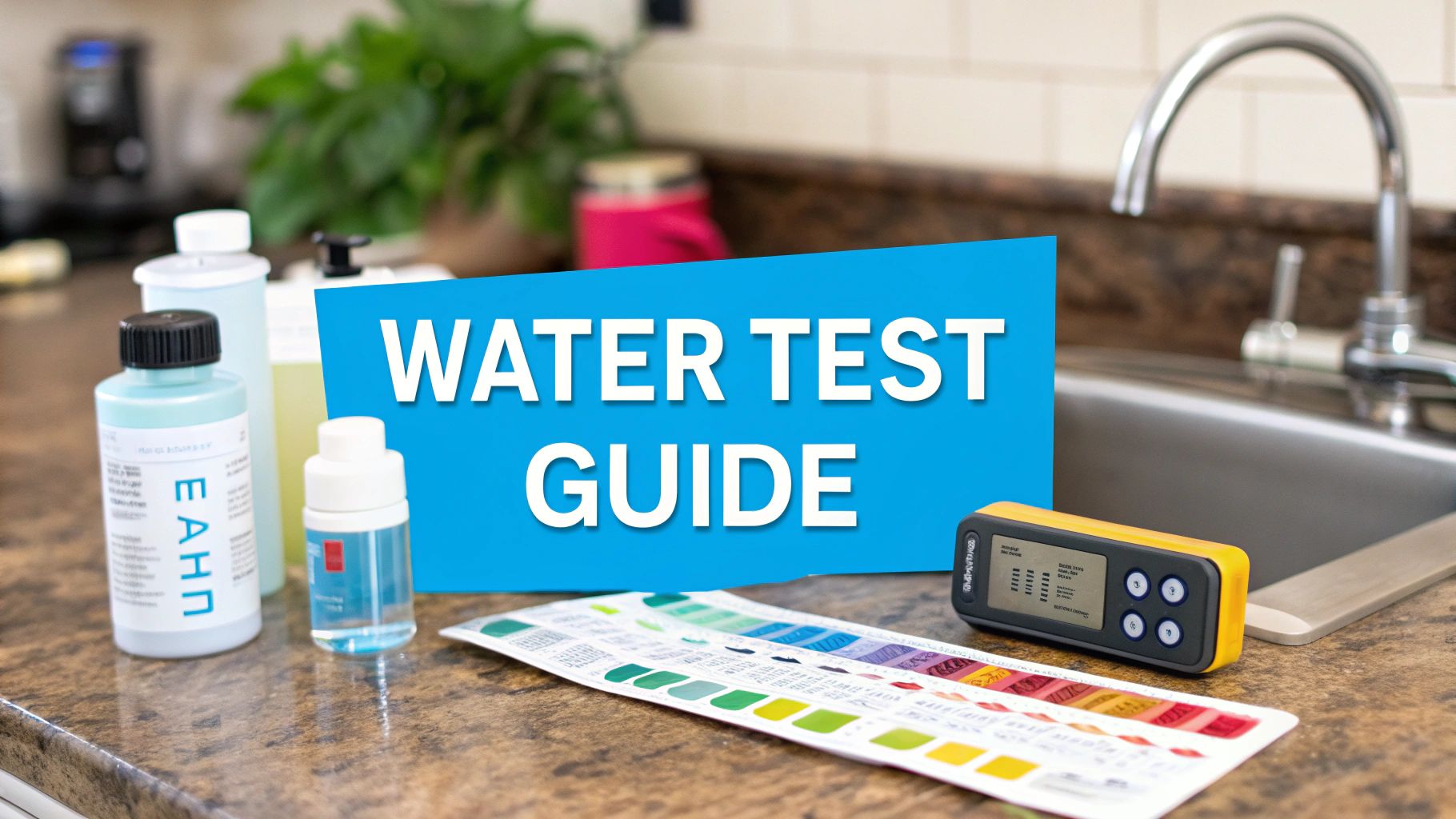 Your Guide to Water Quality Testing Kits: The First Step to Better
The Lab: When You Need the Big Guns
Home kits are great for a quick check, but they’re like using a flashlight to find a contact lens on a shag carpet. For real answers, you’ll want to send a sample to a certified lab. It’s like taking your car to a mechanic instead of kicking the tire and saying, “Seems fine.”
You can find a lab through your local health department. Call them up and say, “Hey, my water is acting like a moody teenager—help.” They’ll send you a sterile bottle and a cooler. Do not rinse the bottle. The lab needs that special factory dust to get accurate results.
Fill it according to their instructions (usually to the line, not your own “a little splash, that’s fine” theory). Then ship it back, and wait a week. It’s like waiting for a DNA test, but instead of finding out if you’re related to a Viking, you find out if you need a water filter.
What to Look For (The Scary Stuff Made Funny)
The lab report will give you numbers like “pH of 6.8” or “lead at 15 ppb.” Let me translate: pH 7 is perfect, like a perfect boiled egg. Lower than 7 means your water is acidic—think lemon juice, but less delicious. That can corrode your pipes, and nobody wants pipe metal tasting their morning oatmeal.
Lead is the big bad wolf. Even a little is bad for kids and pregnant humans. If the report says lead, don’t panic. Just get a certified lead filter pronto, and use cold water for drinking because hot water leaches more lead. It’s a cheat code, not a life sentence.
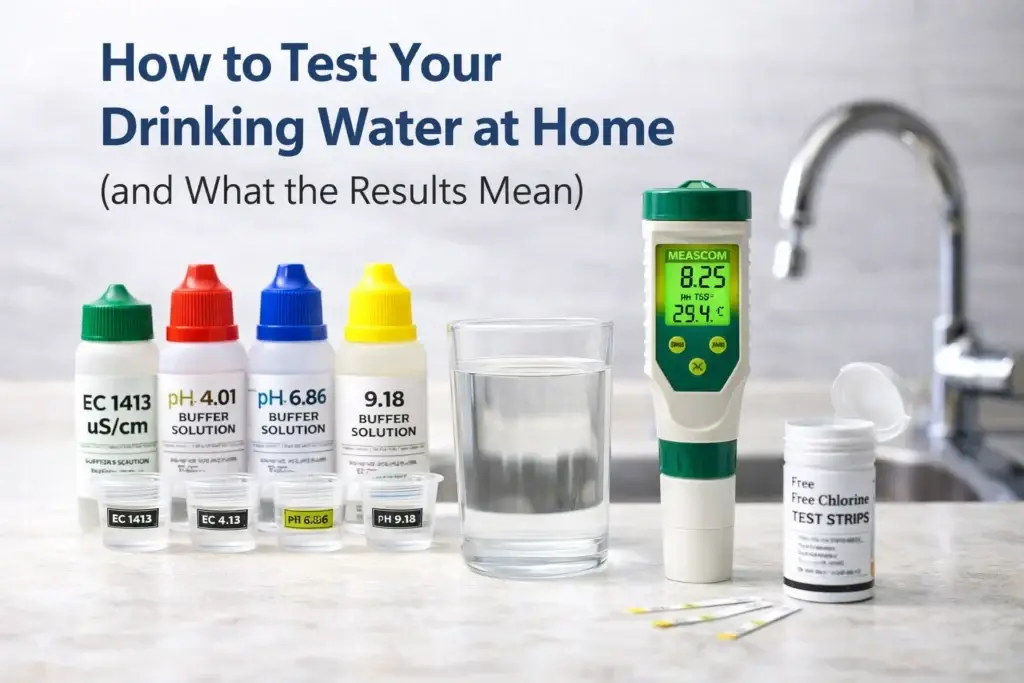 How to Test Drinking Water at Home (and What the Results Mean) - MEASCOM
Nitrates are another sneaky one. They come from fertilizer or, um, organic material from down the hill. If it’s high, you might want to test your neighbors’ water, too. Make it a block party—everyone brings a sample, you judge them like a water Olympics.
The "Fix-It" Part (Without Selling Your Kidney)
Most issues have a simple fix. Hard water? Get a water softener. It’s like giving your water a spa day. Chlorine taste? A carbon filter is your best friend. It’ll make that tap water taste like it came from a fancy mountain spring, not from a pipe that’s seen things.
If you find coliform bacteria, don’t immediately write a dramatic goodbye letter to your loved ones. Shock chlorinate your well (yes, it’s a real term, and it sounds like a metal band). Then retest. If it’s still bad, call a pro. And maybe invest in a Brita.
Bottom Line: You’ve Got This
Testing your water is like flossing: annoying at first, but your future self will thank you when you’re not drinking mystery liquid. You don’t need to be a scientist. Dip the strip, read the chart, laugh at the weird colors, and call a lab if you’re nervous.
So go ahead. Fill that glass. Sneak a sniff. And then test the heck out of it. Your taste buds—and your dog—will nod in approval.
