Best Rainwater Harvesting System

Alright, let’s talk about rainwater harvesting. I know, it sounds like something you’d do in a survivalist bunker, but trust me—it’s way cooler than that. We’re basically turn...

Alright, let’s talk about rainwater harvesting. I know, it sounds like something you’d do in a survivalist bunker, but trust me—it’s way cooler than that. We’re basically turning your roof into a free money tap.
First off, why bother? Because water bills are the worst. They’re like that friend who always forgets their wallet—unexpectedly draining. Plus, your plants love rainwater. It’s like giving them fancy bottled water instead of the sad tap stuff.
The Simple Starter System
This is the gateway drug of rainwater harvesting. You literally just put a barrel under a downspout. That’s it. No degree required.
Must Read
Grab a 55-gallon food-grade barrel (don’t use an old pickle barrel unless you want minty-cucumber-scented water). Add a spigot near the bottom, and a screen on top to keep out leaves and unwanted swimmers like mosquitoes.
Pro tip: elevate the barrel on cinder blocks. Gravity is your lazy friend—it’ll push water out the spigot without a pump. You’ll feel like a gardening wizard every time you water your tomatoes.
Why This Rocks
It costs under $100 and you can set it up in an afternoon. Bonus: You get to tell your neighbors you’re “off the grid,” even if you’re still binging Netflix inside.
The DIY Diverting System
Ready to get fancy? This setup uses a first-flush diverter. Sounds technical, but it’s just a clever tube that catches the first gush of dirty roof water and dumps it.
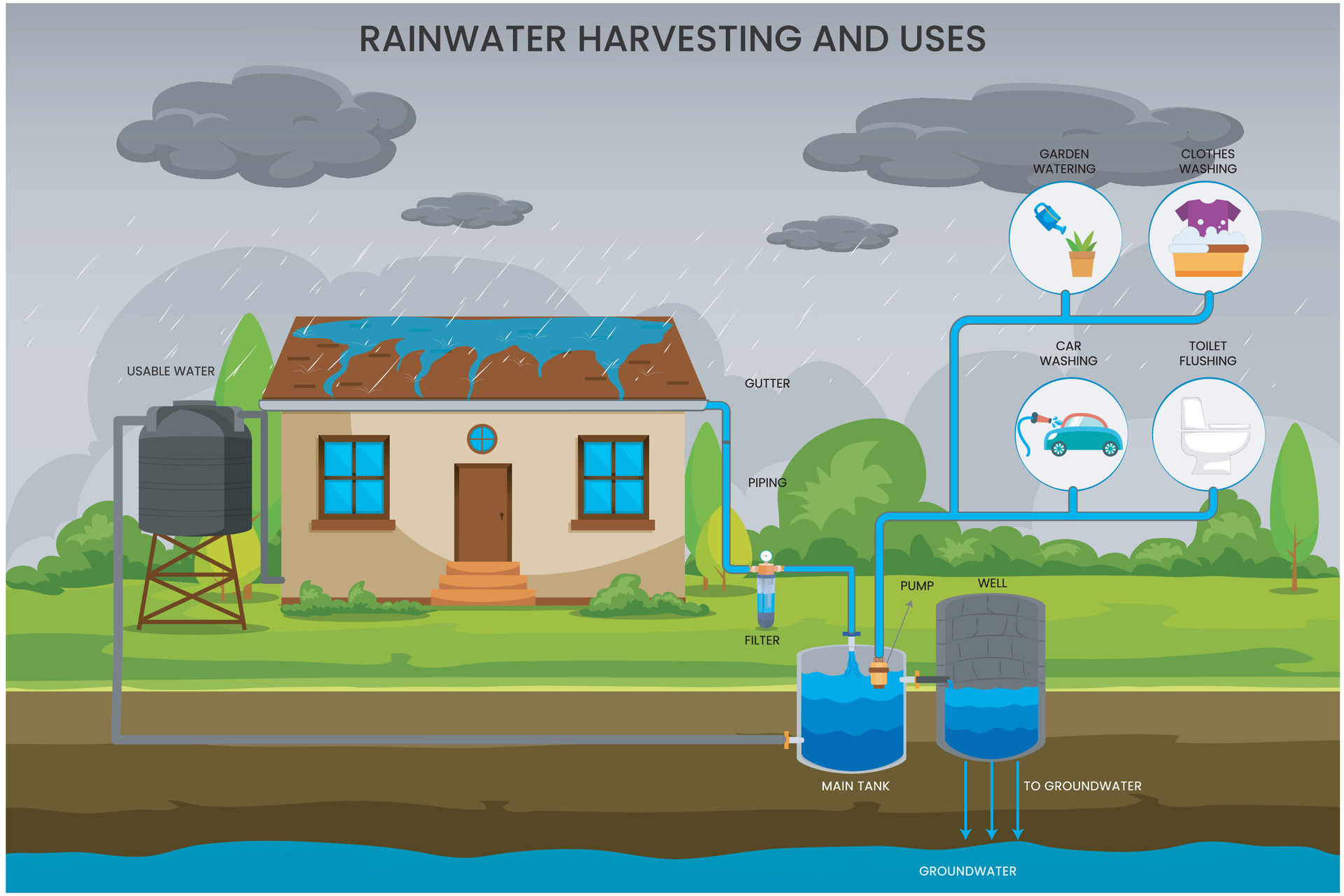 Rainwater Harvesting System (RWHS)
Think of it as a bouncer for your barrel—it keeps out bird poop, dust, and that dead squirrel that’s been drying up there. The clean water then flows into your tank. You’ll need a downspout diverter kit (about $30) and some PVC pipe.
Hook it up to a series of barrels daisy-chained together. That’s right—barrel party. You can collect upwards of 200 gallons without breaking a sweat.
The Big-Boy Underground Tank
If you’re serious about saving the planet (and your wallet), go underground. These tanks hold 500 to 5,000 gallons and live hidden under your lawn. Your neighbors will think you’re burying treasure.
You’ll need an excavator, a big poly tank, and some serious plumbing. But imagine this: your entire garden runs on free rain while everyone else cries about their sprinkler bill. You can even hook it up to your toilet if local laws allow—nothing says “I’m winning at life” like flushing with sky juice.
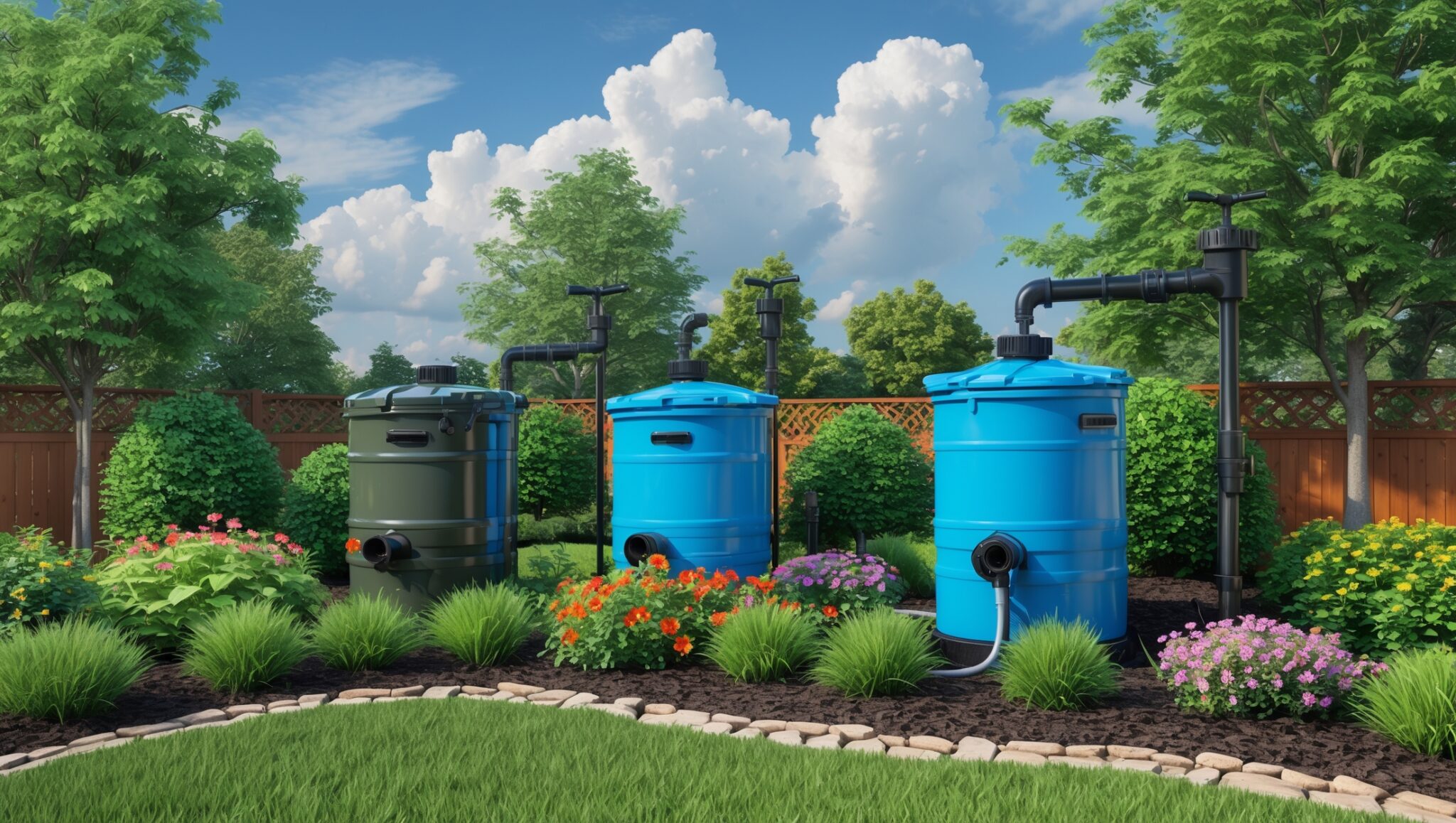 Rainwater Harvesting System Maintenance: Best Practices
Warning: This is not a weekend project. You might need to call a pro. But the pride? Immense. You’ll feel like Aquaman with a garden hose.
What About the Pump?
For any system above ground level, get a submersible pump (about $150). It’ll push water uphill to your hose. Alternatively, get a rain chain—pretty, old-school, and zero electricity. Just know it’s more for vibes than volume.
The Kits That Do the Work
Not a DIY person? Same. Buy a complete rainwater kit. Brands like “Rainwater HOG” make modular tanks that look like modern art. You can stack them on a wall and pretend you live in a futuristic eco-pod.
They come with filters, pumps, and fancy instructions. Unboxing it feels like building a very expensive Lego set, but the result is gorgeous. Your plants will judge you for not having one sooner.
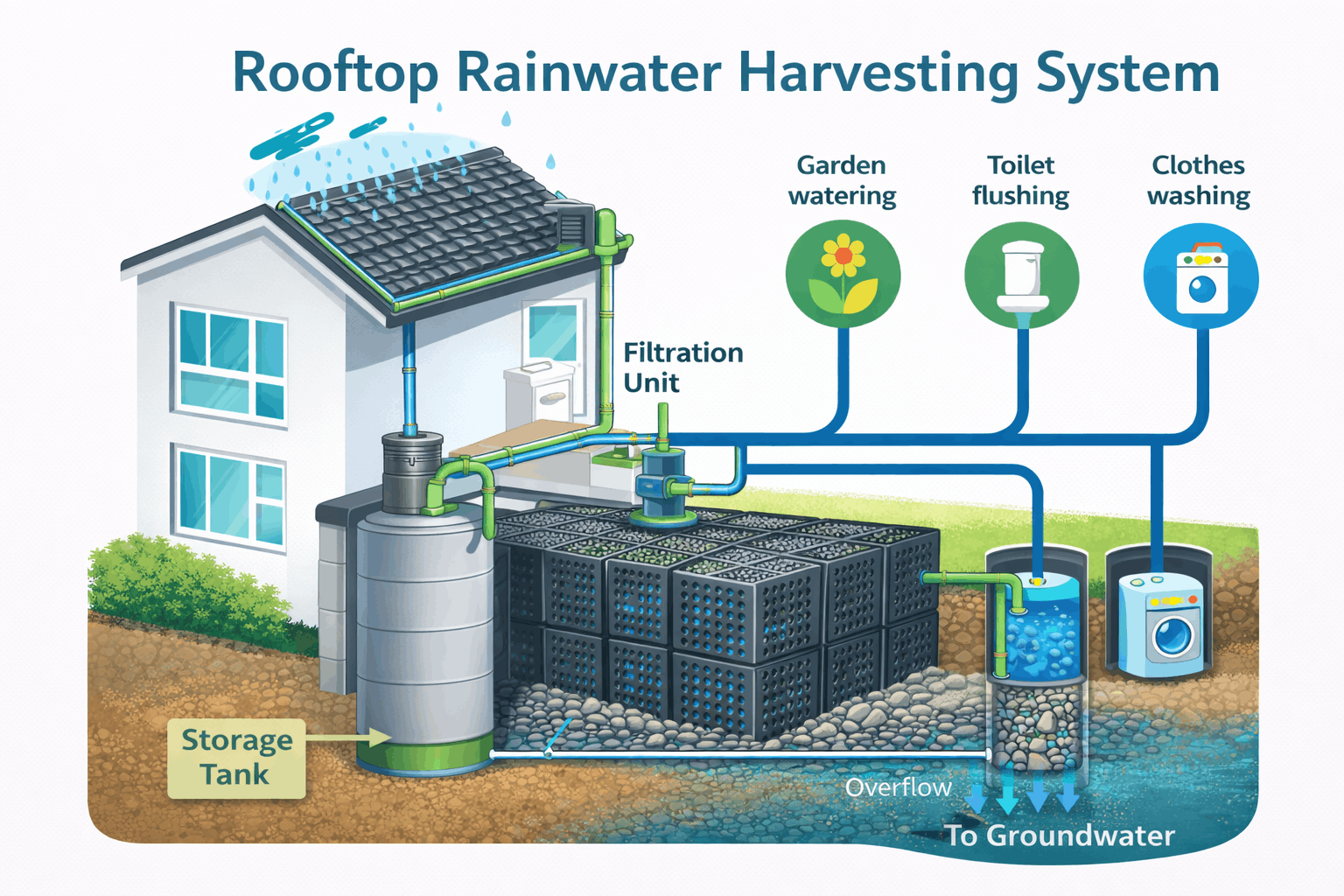 Rooftop Rainwater Harvesting System in Saket | Rooftop Rainwater
Filtering for Drinking (Yes, You Can)
Okay, before you start sipping from your barrel, don’t. Roof water needs serious filtration—like a reverse osmosis system and a UV filter. It’s possible, but it’s a whole other rabbit hole.
My advice? Stick to watering plants for now. If you’re brave, get a “rain to tap” kit for $500 and become the coolest prepper on the block. Just don’t blame me if your first glass tastes like asphalt.
The One Thing Everyone Messes Up
Mosquitoes. These little jerks will turn your barrel into a nursery if you’re not careful. Use fine mesh screens—like 500 microns—and seal every crack. A tablespoon of vegetable oil on the water’s surface can also break their life cycle, but it’s gross.
Honestly, just keep the lid tight. If a mosquito lands on your barrel, give it a stern look. They’ll get the hint.
 Rainwater Harvesting Technology | Sustainability Global
Why This Matters (The Feel-Good Part)
Beyond the money savings, you’re helping your local water table. When rain runs off your lawn and into storm drains, it carries all sorts of crud into rivers. Harvesting it stops that. You’re basically a tiny eco-superhero.
Also, your plants will grow so tall they’ll start shading your neighbors’ gardens. They’ll ask, “How do you do it?” You’ll smile, shrug, and whisper, “Rain magic.”
So, go grab a barrel. Start small. Let the first downpour fill it up, and watch as your water bill shrinks and your garden thrives. You’ve got this. And remember: every time you water a plant with captured sky water, somewhere a rain cloud high-fives another rain cloud.
Now go get a little wet. It’s worth it. 🌧️
