Best Water Filter Reverse Osmosis

So, picture this: last Tuesday, I filled my glass from the tap, took a big gulp, and immediately spat it back out. It tasted like someone had melted a swimming pool, a rusty p...
So, picture this: last Tuesday, I filled my glass from the tap, took a big gulp, and immediately spat it back out. It tasted like someone had melted a swimming pool, a rusty pipe, and a faint memory of bleach into a single, sad beverage. Sound familiar? That’s when I knew my love affair with tap water was officially over, and I needed to get serious about filtering.
I went down the rabbit hole of water purification, and let me tell you—it’s a weirdly fascinating place. After way too many YouTube reviews and a few questionable Amazon listings, I kept landing on one phrase: Reverse Osmosis. It sounds like a lab experiment, but honestly, it’s the closest thing to magic for your kitchen sink.
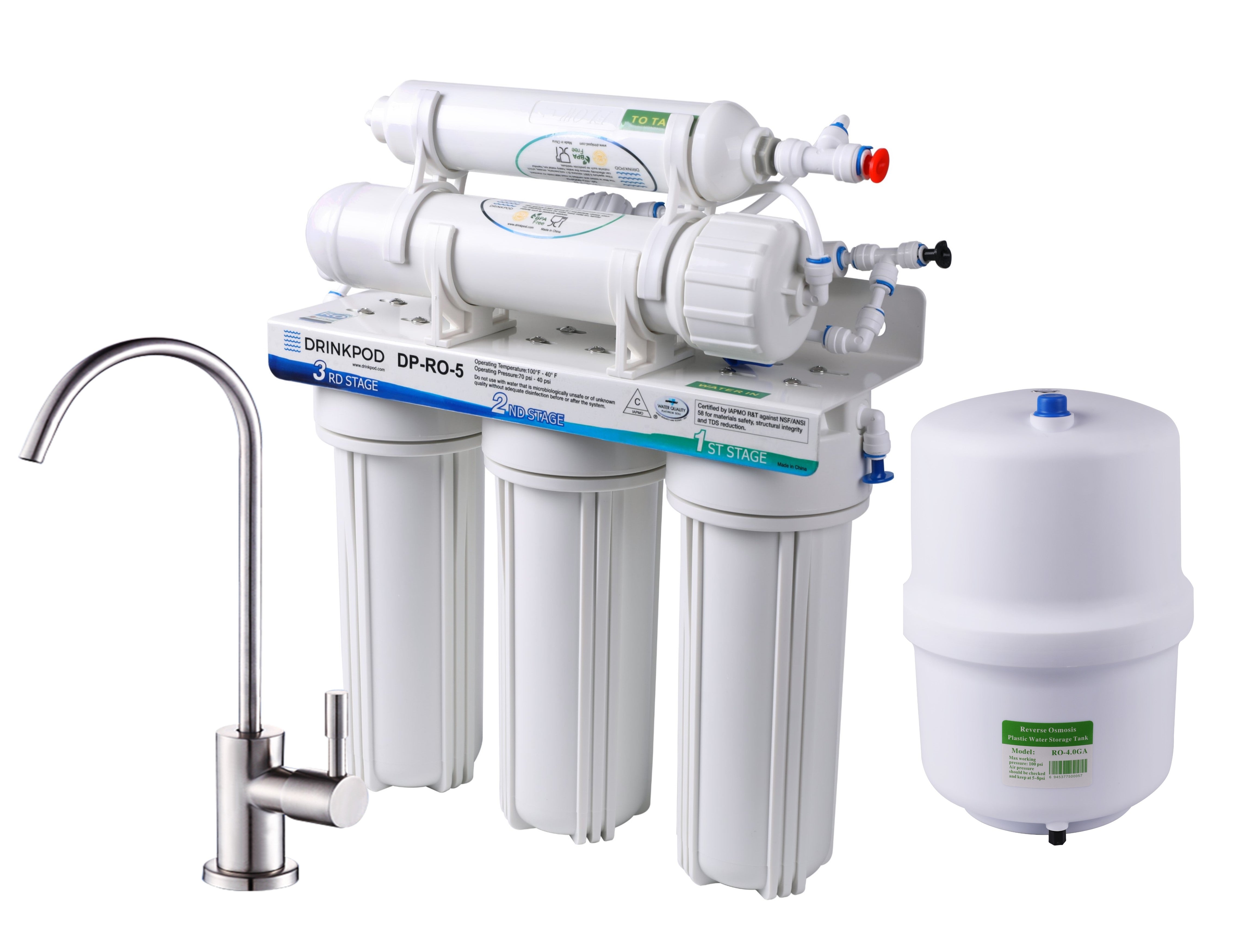
So, what actually is a reverse osmosis water filter? Think of it as the bouncer for your water. It shoves H2O molecules through a semi-permeable membrane under pressure, leaving behind almost everything else—lead, chlorine, fluoride, pesticides, and even those tiny microplastics you don’t want to think about.
Must Read
Why Your Tap Water Probably Needs an Intervention
Look, I’m not saying your tap water is poison—relax. But depending on where you live, it’s carrying a lot of baggage. Municipal water treatment plants do a decent job, but they can’t remove everything; they add chlorine to kill bacteria, which leaves that pool aftertaste.
And let’s not forget the pipes in your house. If you live in a building built before the 1990s, there’s a solid chance you’re sipping trace amounts of copper or lead. Reverse osmosis strips that out like a detox retreat for your faucet.
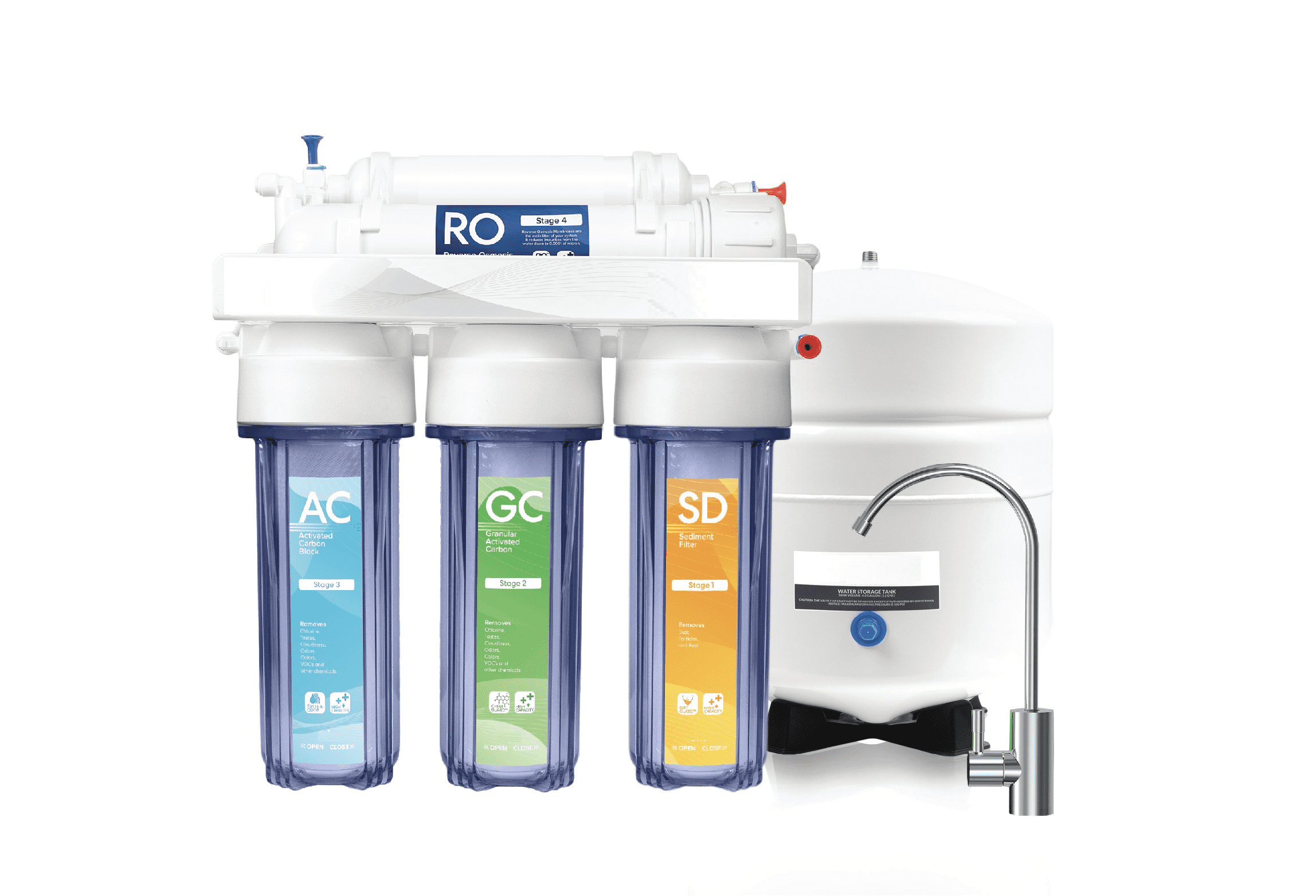 Reverse Osmosis Water Filter
A good RO system removes up to 99% of total dissolved solids (TDS). That’s fancy science talk for “your water will taste like actual nothing, which is exactly what good water should taste like.”
The Big Question: Which One Do You Actually Need?
Okay, let’s get real—there are a ton of reverse osmosis systems out there, and they range from “cheap and cheerful” to “holy crap, that costs as much as a weekend trip.” You don’t need the most expensive one. You need the one that fits your space, your budget, and your paranoia level.
 Best Whole House Reverse Osmosis Water Filter Guide
For beginners, I always point to under-sink systems. They hide away, don’t take counter space, and most install with just a drill and some patience. Brands like APEC or iSpring are the workhorses here—no flashy apps, just solid filtration. (Side note: if a filter promises WiFi connectivity, run. You don’t need your water pitcher tweeting.)
If you’re renting, a countertop reverse osmosis system is your best friend. They plug in, sit next to the sink, and you don’t have to drill a single hole. The Waterdrop G3 is a popular little beast, though it’s a bit like having a robot on your counter—fun, but it stares at you while you cook.
The Downsides Nobody Talks About (Until Now)
Let’s be honest: reverse osmosis isn’t perfect. It wastes water—typically 3 to 4 gallons of rejected water for every gallon of filtered water. That hurts, especially if you live in a drought-prone area. Newer systems with “permeate pumps” cut that waste by half, so keep an eye out.
 Reverse Osmosis Water Filter Easy Install at Donna Nixon blog
Also, RO water is very pure. So pure, in fact, that it has zero minerals. Some people swear this is bad for you—but honestly, you get your minerals from food, not water. Still, if you’re worried, buy a system with a remineralization stage. It adds back a pinch of calcium and magnesium for taste and peace of mind.
And installation? Yeah, it can be a pain. If you’re not handy, budget an extra $100 for a plumber or a friend who owns a wrench. Seriously, don’t try to wing it—I once flooded my kitchen trying to install a faucet, and my cat still judges me for it.
 Reverse Osmosis Systems in Portland, Maine | Pure Experts
My Final Two Cents (and a Cheeky Recommendation)
After testing three different systems over the past year, here’s my hot take: you don’t need the fanciest RO system, but you must get one with a good sediment pre-filter. That cheap plastic one will clog in a month if your city water has sediment. Trust me, I learned that the hard way—on a Sunday, when stores were closed. (Never again.)
If I had to pick one today? The APEC RO-90. It’s not sexy, it doesn’t have lights, and it looks like a science project under your sink. But it’s reliable, easy to maintain, and the water it produces is crispy. You know that feeling when you drink water and it actually feels refreshing? Yeah, that.
In the end, choosing the best water filter reverse osmosis system is less about specs and more about how much you hate your current water. If you’re tired of buying plastic bottles or grimacing at every sip, take the plunge. Your taste buds—and your planet—will thank you. And hey, you’ll never have to spit out another sad glass of tap water again.
