Best Whole House Water Filtration

Okay, let’s be honest—turning on your tap and getting a glass of water that smells like a swimming pool or tastes like a copper pipe is not exactly a spa experience. You deser...
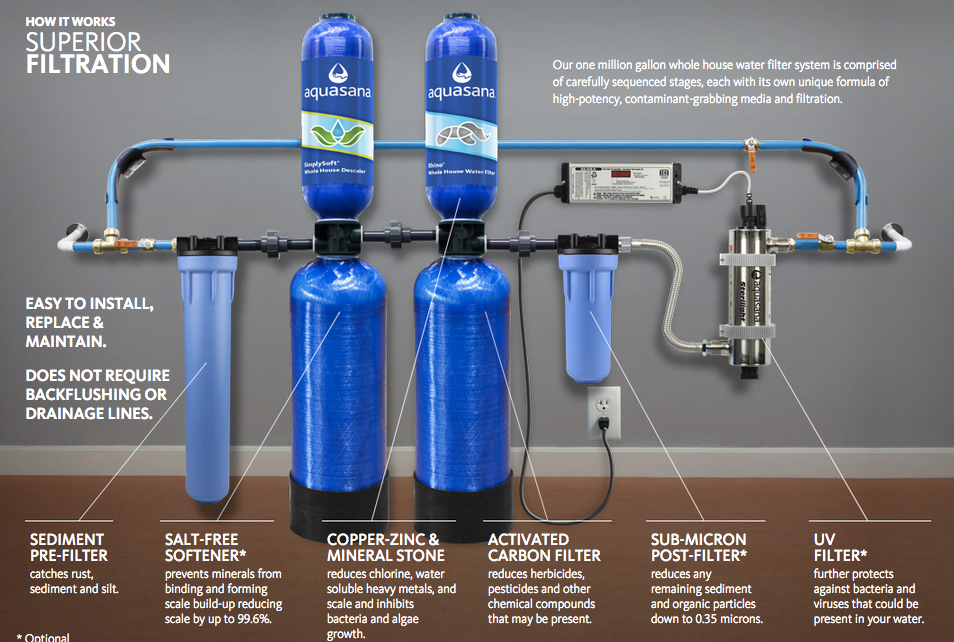
Okay, let’s be honest—turning on your tap and getting a glass of water that smells like a swimming pool or tastes like a copper pipe is not exactly a spa experience. You deserve better, my friend. A whole house water filtration system is like giving your entire home a refreshing, filtered hug.
Think of it as the bouncer at the club of your plumbing. It stops the riff-raff—chlorine, sediment, rust, and nasty odors—from even entering your house. Your shower, your washing machine, and yes, your kitchen faucet, all get the VIP treatment.
No more fighting over a single filtered pitcher in the fridge. Everyone wins when the whole house is on the clean-water payroll.
Must Read
Why Go Whole House? (A.K.A. The “No More Plastic Bottles” Dance)
First, let’s talk about why you shouldn’t just slap a filter on your kitchen sink. A point-of-use filter is like putting a tiny umbrella on your head during a rainstorm—it helps, but your pants are still soaked.
A whole house system filters water right at the main line, where it enters your home. That means every tap, every shower head, and every toilet (yes, even the toilet) gets treated water.
Your skin will thank you when you stop bathing in chlorine. Plus, your dishes will come out of the dishwasher looking like they belong in a museum, not a science experiment.
The Heavy Hitters: Your Top Contenders
So, which system do you pick? Don’t panic—I’ve done the research so you don’t have to wear a lab coat. Here are the three kings of the whole-house game.
:max_bytes(150000):strip_icc()/aquasana-whole-house-well-water-filter-system-68651cbaa66a4921b287057afec93edf.jpg) The 8 Best Whole House Water Filters of 2024 to Improve Your Water Quality
The 8 Best Whole House Water Filters of 2024 to Improve Your Water Quality
1. The Carbon Filter (The Classic MVP) This is your friendly neighborhood workhorse. It uses activated carbon to grab chlorine, bad tastes, and odors like a sponge grabbing a spilled soda. It’s affordable, easy to maintain, and perfect if you just want water that doesn’t taste like a public pool.
Pro tip: Pair it with a sediment pre-filter, or else it’ll get gummed up with dirt faster than a kid at a mud festival.
2. The Salt-Based Water Softener (The Mineral Buster) If your water leaves white crusty deposits on everything—your faucets, your coffee pot, your soul—you have hard water. This system swaps out calcium and magnesium for sodium, making your water “soft.” Your soap will lather like a dream, and your pipes will stop building up scale that looks like a stalactite.
Warning: It adds a tiny bit of salt to your water. If you’re on a low-sodium diet, don’t worry—the amount is minuscule (less than a slice of bread). But if you’re a salt-snob, look into salt-free alternatives.
:strip_icc()/bhg-ge-gxwh20t-whole-house-water-filtration-system-lisa-noah-02-bc3eb4183925488e9e72560bfee7c81e.jpeg) The 3 Best Whole House Water Filters, Tested by BHG
The 3 Best Whole House Water Filters, Tested by BHG
3. The Sediment & Iron Filter (The Rust Buster) Does your water look like it was brewed in a rusty bucket? Does it stain your sinks orange? You need a sediment filter with an iron-fighting buddy. These bad boys use special media to trap rust, sand, and that metallic taste that makes your tea taste like a penny.
It’s not glamorous, but neither is orange underwear. Trust me, this filter is your friend.
How to Pick One Without Losing Your Mind
First, test your water. You can buy a simple test kit at the hardware store, or send a sample to a lab (if you want to feel very scientific). Knowing what’s in your water is like knowing your enemy—except the enemy is calcium and chlorine.
Second, check your flow rate. A system that’s too small will make your shower feel like a sad drizzle. A system that’s too big is just showing off. Most families of four need a system that handles 10-12 gallons per minute.
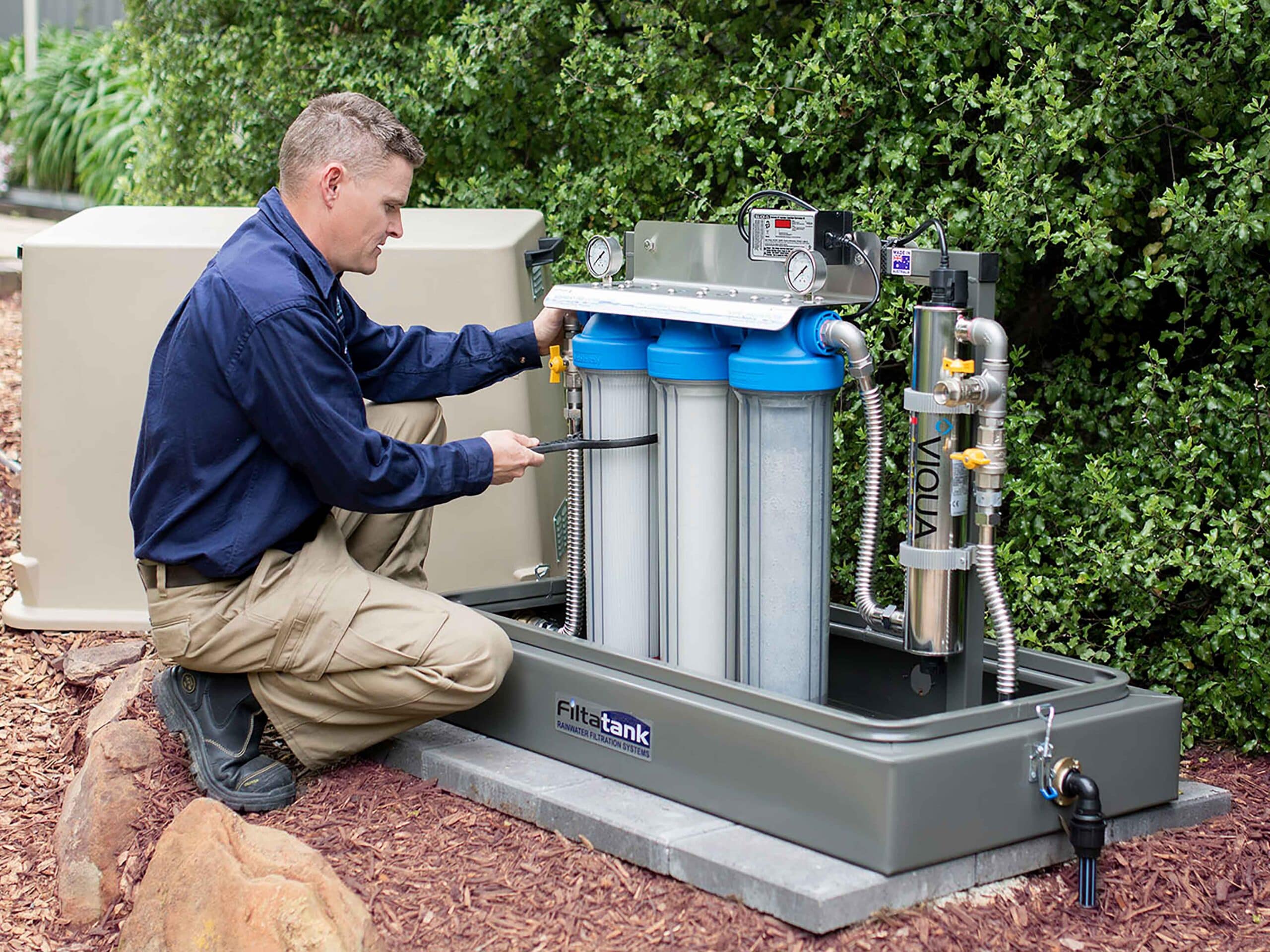 Whole House Water Filters | Melboune | The Tank Doctor
Third, think about maintenance. Some filters need new cartridges every six months. Others (like tank-based softeners) just need a bag of salt dumped in every few weeks. Pick the one that feels more like “chore” and less like “part-time job.”
The Installation Lowdown (You Can Do This!)
If you’re handy with a wrench and a YouTube tutorial, you can install a basic system yourself. It’s like plumbing LEGOs—cut a pipe, attach the filter housing, turn on the water, and cross your fingers.
If the thought of cutting into your copper pipes makes you sweat, call a plumber. Seriously, it’s worth the $200 to avoid a basement flood that turns into an indoor pool. Your carpet will thank you.
Most whole-house systems need a drain line and a bypass valve. The bypass lets you shut off the filter for maintenance without turning off water to the whole house. It’s like having a secret back door for your water.
:strip_icc()/bhg-ge-gxwh20t-whole-house-water-filtration-system-lisa-noah-06-d2752e1363d540e69eb935c1587361cd.jpeg) The 3 Best Whole House Water Filters, Tested by BHG
The 3 Best Whole House Water Filters, Tested by BHG
The “Softer, Cleaner, Happier” Finale
Let’s be real—buying a whole house water filter is an act of self-love. You are literally investing in water that won’t ruin your hair, dry out your skin, or make your coffee taste like regret. Every time you shower, you’ll feel like you’re at a luxury spa (even if your bathroom has a weird tile pattern from the 1970s).
And think of the savings! No more buying bottled water by the truckload. No more expensive skin creams to fix the damage from hard water. Your wallet will be heavier, your pipes will be cleaner, and your morning tea will taste like joy in a mug.
So go ahead—pick your system, turn that dial to “crystal clear,” and enjoy the simple pleasure of running water that actually wants to be your friend. Your home will be healthier, your appliances will live longer, and you’ll finally understand why people get emotional about ice cubes that don’t smell like a swimming pool.
Cheers to you, you magnificent water-sipping human! May your showers be soft, your dishes spotless, and your laughter as pure as the water flowing from your tap. Now go drink a glass of that good stuff—you’ve earned it.
