What Is Best Ph For Drinking Water

You’ve probably seen those sleek bottles at the gym boasting “alkaline water,” or heard a wellness guru rave about “balancing your pH.” It sounds like hard science, but let’s...

You’ve probably seen those sleek bottles at the gym boasting “alkaline water,” or heard a wellness guru rave about “balancing your pH.” It sounds like hard science, but let’s be real: you just want a glass of water that tastes good and keeps you hydrated. So, what’s the actual ideal pH for drinking water, and does it matter for your everyday life? Let’s break it down without the lab coat jargon.
The Short Answer: It’s Probably Closer to Neutral Than You Think
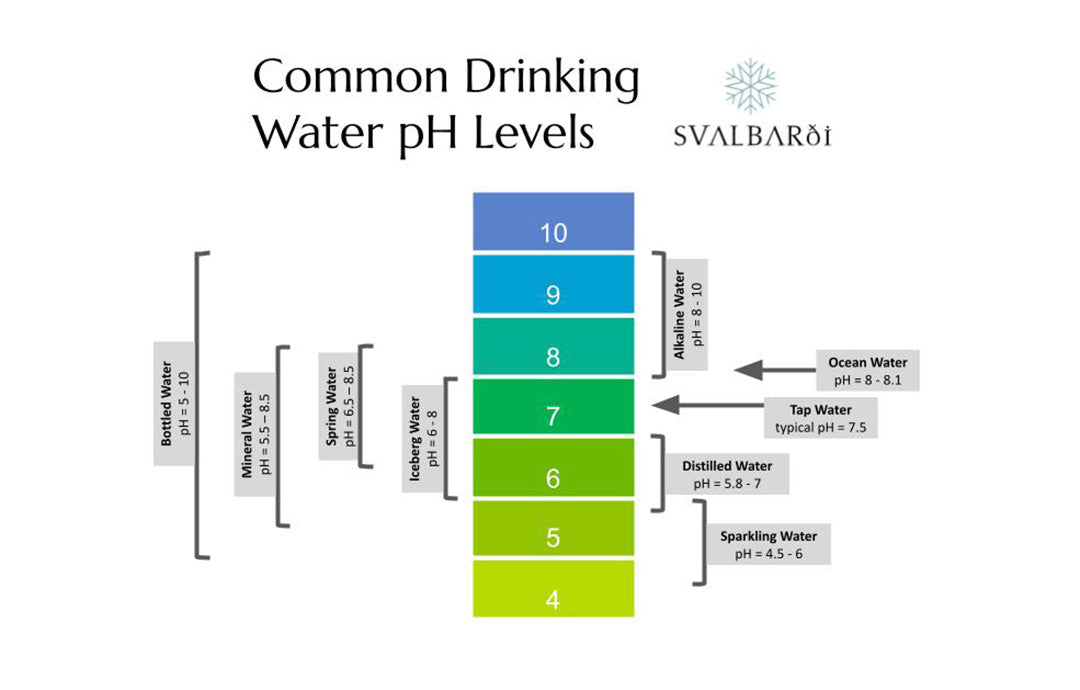
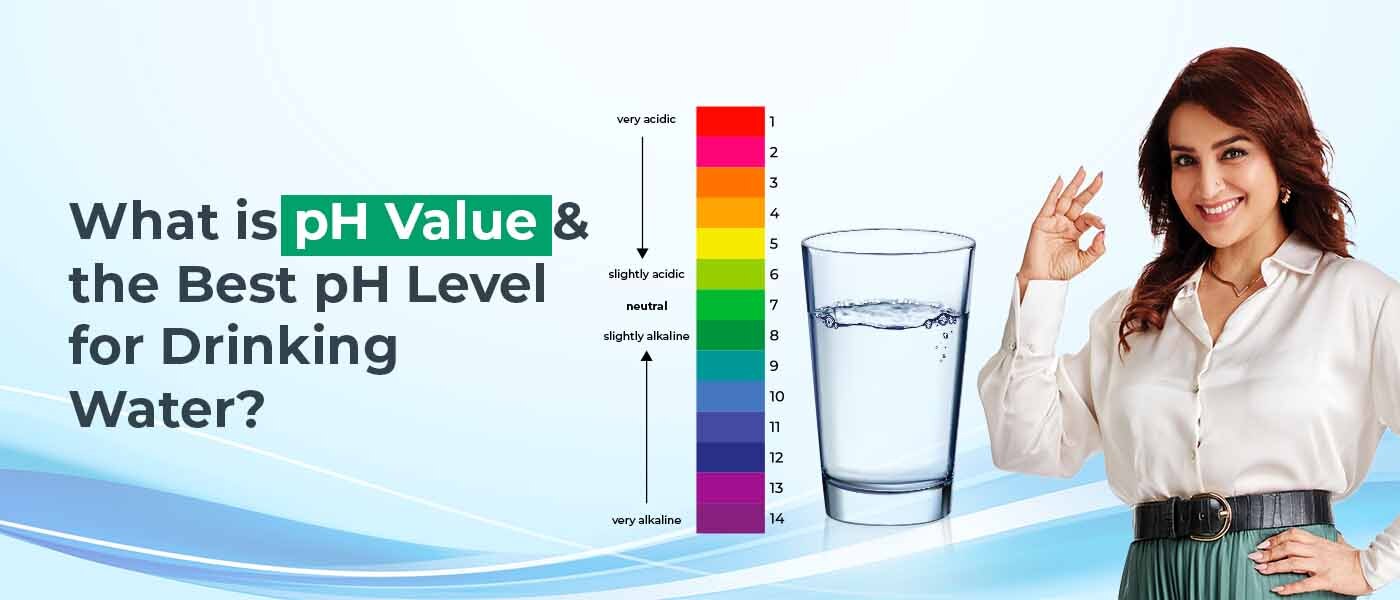
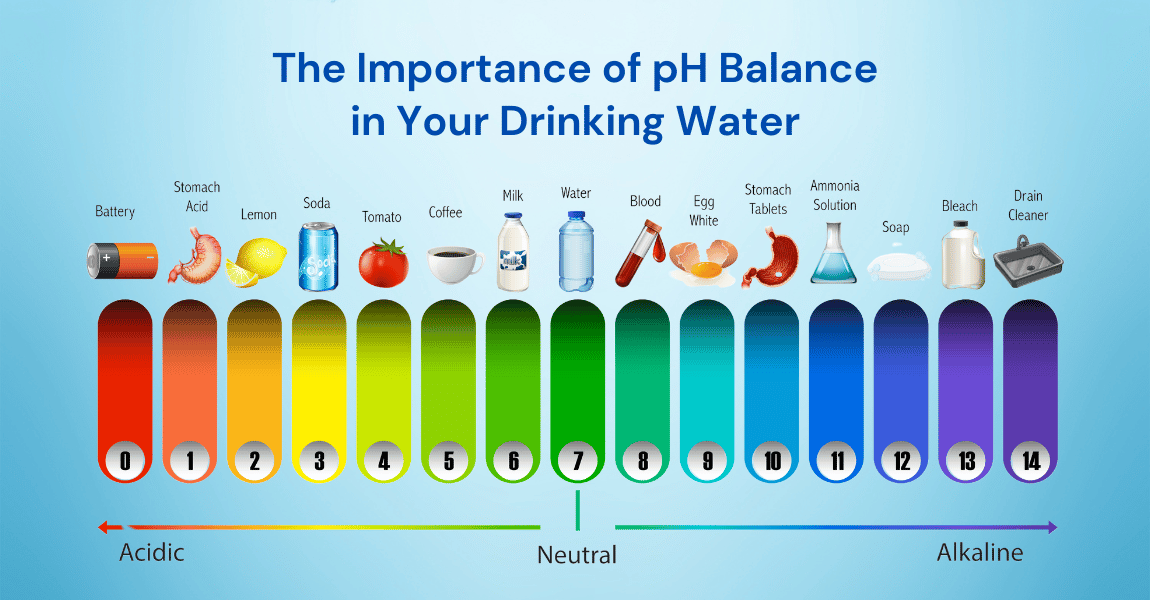
Pure water sits at a pH of 7, right in the middle of the scale—neutral. Most tap water falls between 6.5 and 8.5, which is perfectly safe and regulated by health authorities. The “best” pH isn’t a magic number; it’s about what your body naturally prefers and what your local plumbing delivers.
Your body is a master at self-regulation. Your stomach acid is around pH 1.5 to 3.5, which is extremely acidic, and it neutralizes any water you drink almost instantly. Drinking water with a slightly different pH, within common ranges, won’t transform your health or “alkalize” your blood.
Must Read
The Alkaline Hype: Cool Concept, But Let’s Check Reality
Alkaline water, usually with a pH above 8, gained fame from claims that it can neutralize acidity in your body. It sounds snappy—like flushing out toxins with a sparkly high-end tonic. But here’s a fun fact: your kidneys and lungs already do this job 24/7 without a fancy pitcher.
There is limited research suggesting alkaline water might slightly help with acid reflux or hydration after intense exercise. But for most of us, the difference between a pH of 7 and an 8.5 is negligible. The real benefit? If you drink more water because it tastes better, that’s a win—regardless of the number on the strip.
 What Is A Good Ph For Water : The Best pH for Drinking Water, According
Practical Tips: How to Find Your Water’s Sweet Spot
Don’t overthink it. The best pH for drinking water is the one that makes you want to drink it. If your tap water tastes metallic or bitter and has a pH below 6.5, a simple filter can bring it toward neutral. Most home pitchers (like Brita or Pur) move the pH closer to 7.
Test it once for fun. You can buy a cheap pH test kit online or at a pet store (used for aquariums). Dip a strip in your morning glass—if it’s between 6.5 and 8.5, you’re golden. If it’s way off, your pipes might be leaching metals, which is a plumbing issue, not a pH problem.
 Drinking Water Ph
Pro tip: Add a squeeze of lemon or lime. It sounds counterintuitive because citrus is acidic, but once metabolized, it has an alkalizing effect in your body. Plus, it makes water infinitely more interesting than plain H₂O.
Cultural Sips: How the World Drinks Water
In Japan, many people drink kangen water (ionized alkaline water) from specialized machines, often as part of a wellness ritual. In Europe, sparkling mineral waters like San Pellegrino have a pH around 5.5 to 6.0—quite acidic—yet they’re considered a table staple. Neither group is healthier for it.
 Drinking Water Ph
In the American Southwest, tap water is often hard and alkaline (pH 8.0+), and people drink it without a second thought. Meanwhile, boutique water bars in LA charge $5 for a bottle of pH 9.5 water, calling it “the ultimate cleanse.” It’s a cultural commodity, not a medical necessity.
What About Plastic Bottles and pH?
Here’s a curveball: plastic bottles can leach compounds into water over time, especially if left in a hot car. This can slightly lower the pH, making it more acidic. That’s not dangerous short-term, but it’s a good reason to store water in glass or stainless steel if you’re a hydration purist.
 Discover the Importance of pH Balance in Drinking Water for Health
Fun fact: The pH of rainwater is about 5.6 due to dissolved carbon dioxide. That’s slightly acidic—and yet, it’s the source of all fresh water. So don’t stress about a pH that’s a fraction off. Your ancestors drank from streams with wildly fluctuating pH and thrived.
The Bottom Line: Hydration Over Perfection
The “best” pH for drinking water is simply water that is clean, safe, and palatable. Your body doesn’t care about the decimal point; it cares about getting enough fluid. If alkaline water gets you to drink an extra glass, great. If regular tap water does, even better.
So next time you see a wellness post asking “Is your water acidic?”, take a breath. Fill your favorite mug, add ice, maybe a slice of cucumber, and drink up. The purest health hack isn’t a pH number—it’s staying hydrated with whatever water you have access to, and enjoying it without the anxiety.
