Best Arsenic Filter For Well Water

Picture this: you’re sipping a cool glass of well water, feeling all rustic and self-sufficient, when a tiny, invisible assassin named arsenic gives your glass the side-eye. Y...
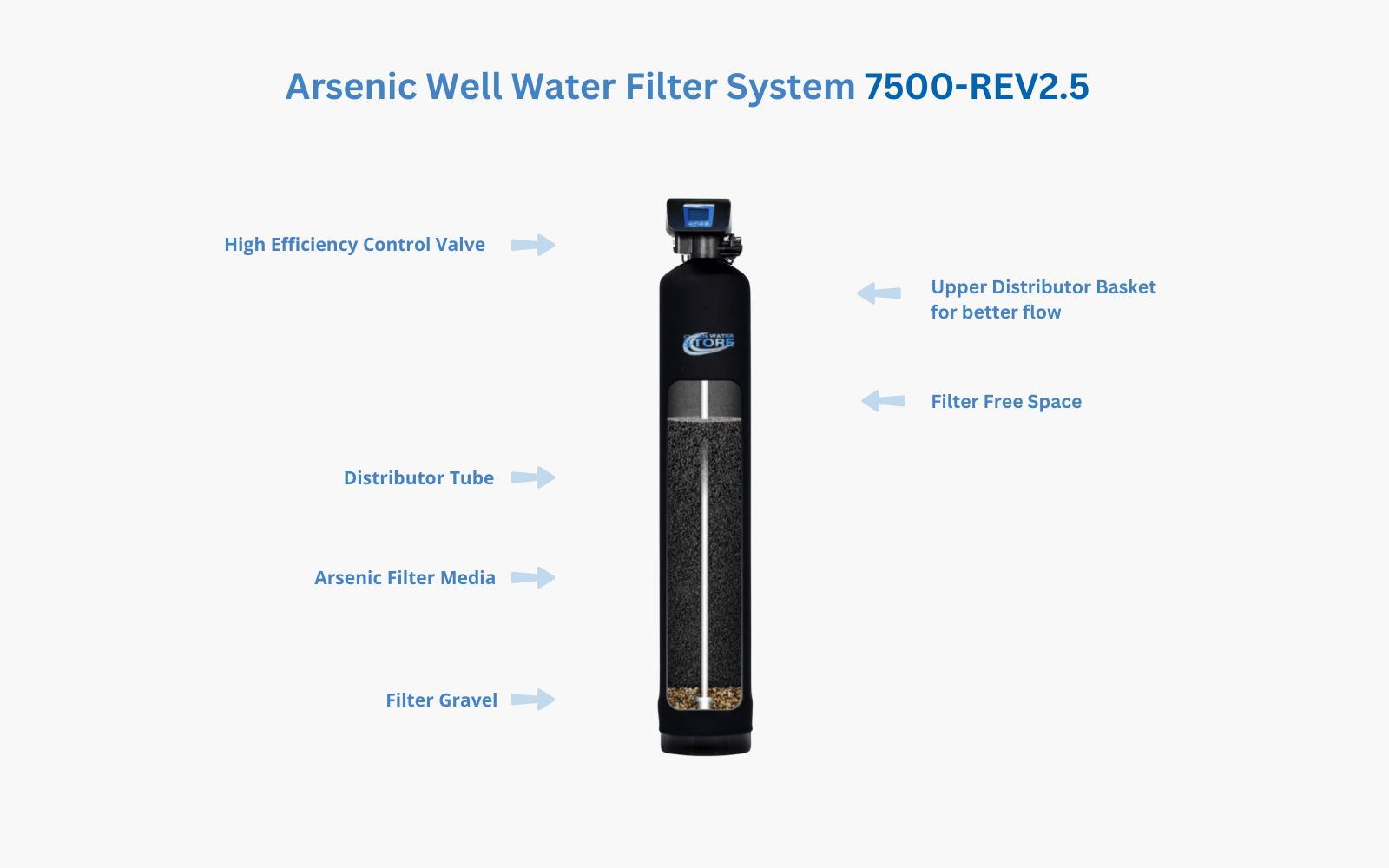
Picture this: you’re sipping a cool glass of well water, feeling all rustic and self-sufficient, when a tiny, invisible assassin named arsenic gives your glass the side-eye. Yeah, arsenic isn’t just a plot device in old murder mysteries—it’s a naturally occurring heavy metal that loves hiding in groundwater. About 2 million Americans drink well water with arsenic levels that would make a Victorian poisoner blush. Surprise fact number one: Arsenic is odorless, tasteless, and colorless, so your water might look like Evian while slowly staging a hostile takeover of your kidneys.
Before you panic and switch to bottled water (which is just fancy tap water in a tuxedo), let’s get one thing straight: you need a filter, not a therapist. The good news? Sticking a Brita on your counter won’t cut it. Brita removes bad vibes and maybe some lead, but arsenic laughs at carbon filters. You need a dedicated arsenic filter—think of it as a bouncer for your well water, only this bouncer has chemistry degrees and a grudge against heavy metals.
The Three Arsenic Busters You’ll Actually Consider
There are three main ways to kick arsenic out of your well: reverse osmosis (RO), activated alumina, and distillation. Each one is a finger-gun-slinging hero with its own quirks. RO is the popular kid—it forces water through a semi-permeable membrane that’s so finicky, it rejects arsenic like a cat rejects a bath. Activated alumina is the quiet overachiever; it uses a special media that adsorbs arsenic like your ex adsorbs attention at parties. And distillation? That’s the nuclear option: boil water until it becomes steam, then recondense it. It works, but it’s slow and uses electricity like it’s sponsored by a power plant.
Must Read
Fun fact that’ll make you a dinner-party legend: Arsenic comes in two flavors—arsenite (As III) and arsenate (As V). As III is the ninja version—it’s harder to filter because it has no charge, like a political independent. As V is the loudmouth with a charge, easy to capture. Most filters only tackle As V, so you need a pre-filter or an oxidizing step to turn As III into As V. Surprise fact number two: A cheap jug of chlorine bleach can do this—just don’t tell your HOA you’re bleaching your well water for fun.
Reverse Osmosis: The Gold Standard (with a Gold Price Tag)
Reverse osmosis systems cost anywhere from $150 to $600, and they’re the closest thing to a water spa for your faucet. They remove up to 99% of arsenic, plus lead, fluoride, and that weird metallic taste your well water sometimes has. The catch? They waste 3 to 4 gallons of water for every 1 gallon you drink. That’s like buying a gallon of milk and throwing away three gallons because the carton looked “suspicious.” You’ll also need to replace the membrane every 2–3 years, which costs about $100—budget for it, or your water will start tasting like regret.
 Arsenic Contamination of Groundwater and Its Implications for Drinking
For well water, you’ll want a whole-house RO system if you’re fancy, or a point-of-use under-sink unit if you’re a normal human. Word to the wise: Don’t install RO on water that’s already low in minerals, because it strips everything—you’ll lose sodium, but also good stuff like calcium. Some people call that “dead water.” I call it “water that’s too pure to hang out with your gut biome.”
Activated Alumina: The Underdog with a PhD
Activated alumina (AA) filters are cheaper, often $200–$500, and last longer than RO membranes. They use aluminum oxide beads (think tiny, porous marbles) that grab arsenic like a kid grabbing candy. Surprise fact number three: AA can remove over 90% of arsenic, but it’s sensitive to pH—your water needs to be slightly acidic (pH 5.5–6.5) for it to work best. If your well water is alkaline (common in limestone areas), the filter feels like it’s trying to catch fish with a spaghetti strainer. You might need a pH adjuster, which is just a fancy bottle of vinegar or citric acid solution. Vinegar in your water filter—your grandmother would approve.
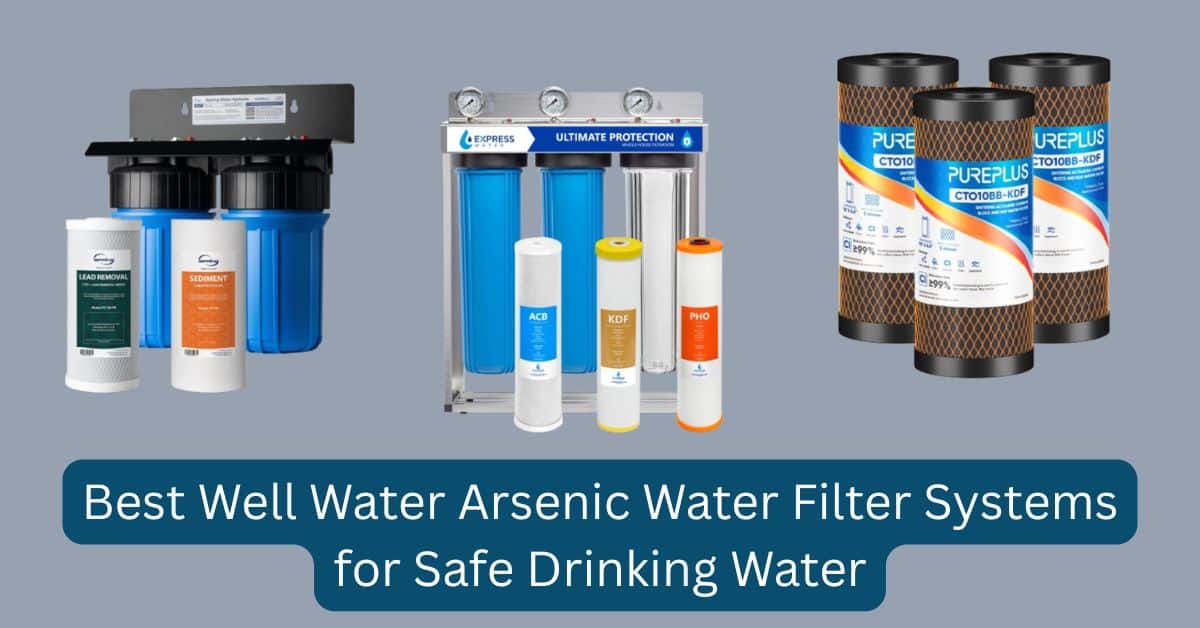 Best Well Water Arsenic Water Filter for Safety in 2025 | Island Well
The downside? AA filters need to be regenerated every few months with a caustic solution (yes, like lye). If that sounds like a chemistry lab homework, it’s because it is. Most people just swap out the media cartridge instead. It’s not rocket science, but it’s close—rocket science with a hint of battery acid jokes.
Distillation: The Overachiever Who Can’t Keep a Schedule
Distillers are the long-haul trucks of arsenic removal. They plug into a wall, boil water to steam, then condense it. They remove 99.5% of arsenic, along with everything else—bacteria, viruses, that one stir stick you dropped in the sink. The trade-off: They produce about one gallon of clean water per hour. For a family of four, that’s like trying to fill a pool with a turkey baster. Surprise fact number four: Distillers also remove beneficial minerals, so your water becomes “flat” unless you add a mineral cartridge. It’s basically the water equivalent of getting a car that runs on unicorn farts—possible, but you’ll need a lot of patience and a second mortgage for the electricity bill.
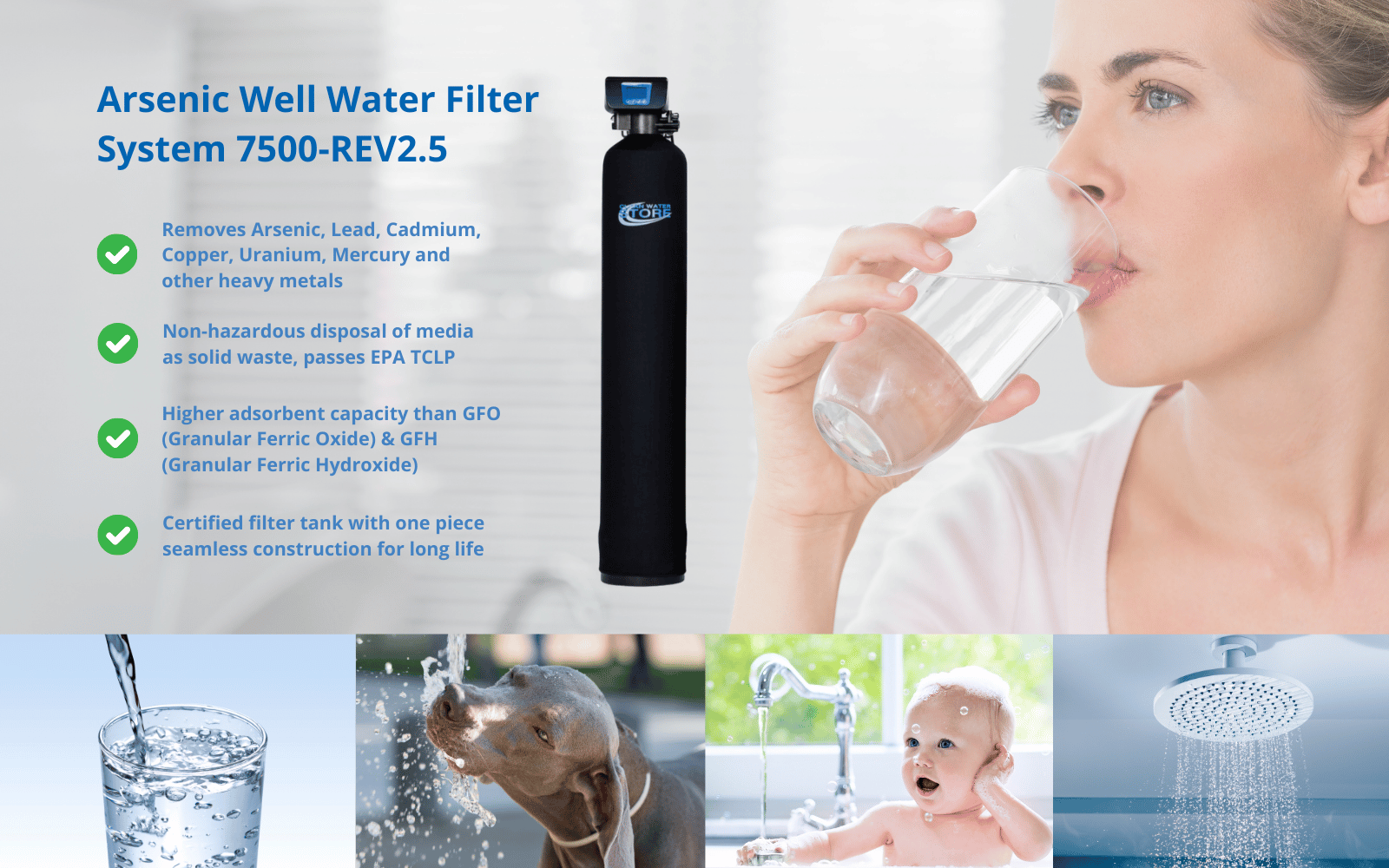 Clean Water Store: Arsenic Well Water Filter System 7500 2.0 CF 12x52
Which One Should You Buy? (The Honest Answer)
If you’re a normal person who doesn’t want to spend weekends troubleshooting pH levels, get a reverse osmosis system. Specifically, look for an RO unit certified by NSF/ANSI 53 or NSF/ANSI 58 for arsenic reduction. Brands like iSpring, Home Master, and APEC are the reliable, mid-century-dad choices—they work, they’re boring, and they’ll never embarrass you at dinner. Test your well water first! You can buy a test kit online for $30–$50. Knowing your arsenic level and its form (As III or As V) is like knowing your enemy’s favorite coffee order—it makes the fight much easier.
For the budget-conscious: A countertop activated alumina filter like the “Aquasana OptimH2O” or a simple “ZeroWater” pitcher (yes, the $40 one) can reduce arsenic, but check the fine print—ZeroWater filters need replacing often. For the truly paranoid: Combine an RO system with a whole-house activated alumina filter. Then send me a postcard from your water fortress.
Here’s your takeaway: arsenic in well water is scary, but not brain-surgery scary. Pick a filter that matches your budget and your tolerance for maintenance. Remember: The EPA allows up to 10 parts per billion in public water—but you’re not the government, so aim for zero. And don’t forget to change your filters on schedule. Otherwise, you’re just drinking water that’s been through a very expensive, very disappointed aquarium. Cheers!

