Best Way To Remove Hard Water Spots

Let’s be honest: hard water spots are the uninvited guests of an otherwise sparkling home. They show up unannounced on your glass shower doors, your favorite wine glasses, and...
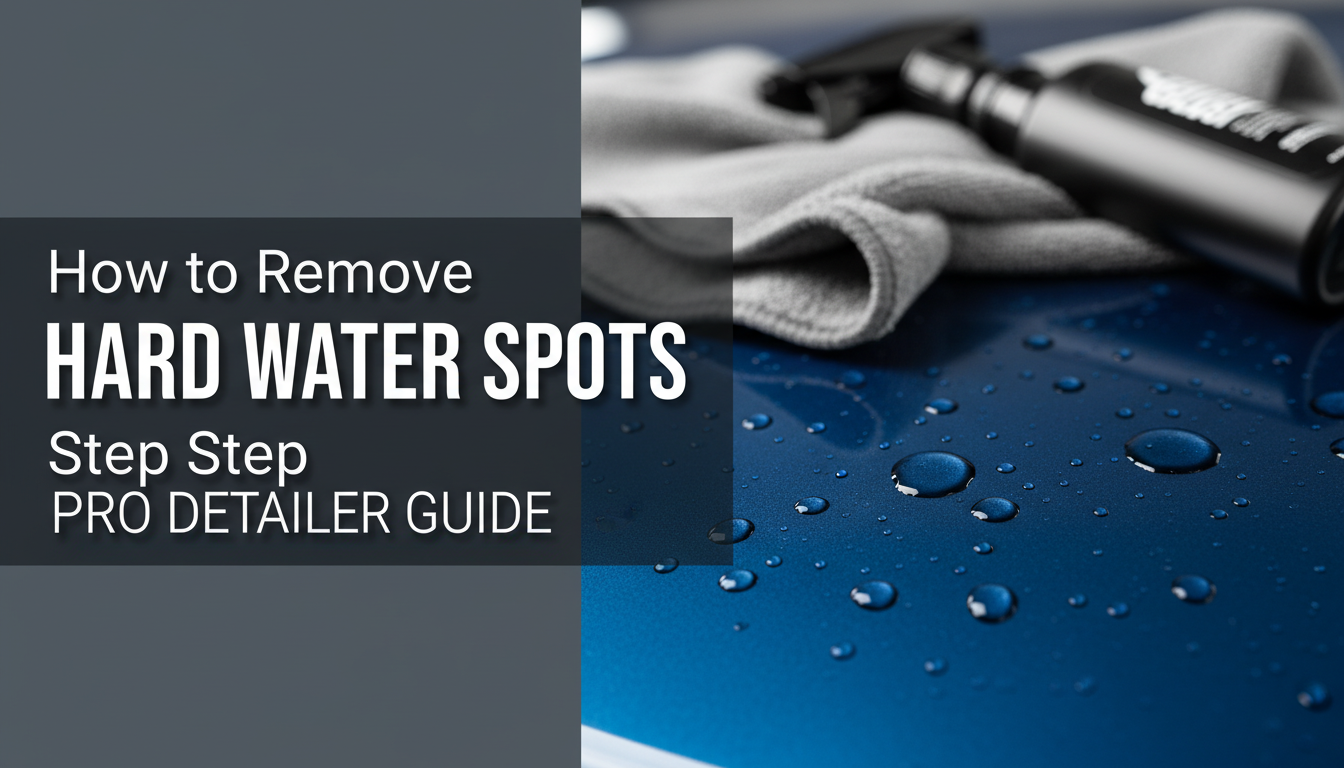
Let’s be honest: hard water spots are the uninvited guests of an otherwise sparkling home. They show up unannounced on your glass shower doors, your favorite wine glasses, and even your car’s glossy paint. Yet, unlike that friend who overstays their welcome, these chalky white deposits are surprisingly easy to evict—if you know the right tricks.
First, a fun fact: those stubborn spots aren’t just dirt. They’re mostly calcium and magnesium carbonates, left behind when water evaporates. Think of them as tiny mineral fossils, and your mission is to dissolve them without damaging the surface beneath.
Here’s the cultural nod you didn’t know you needed: in ancient Rome, vinegar was used to clean aqueducts and bronze mirrors. Modern science backs up the ancients—white vinegar is your best friend for hard water removal. Its acetic acid breaks down those minerals like a hot knife through butter.
Must Read
The Secret Weapon: Vinegar and a Side of Patience
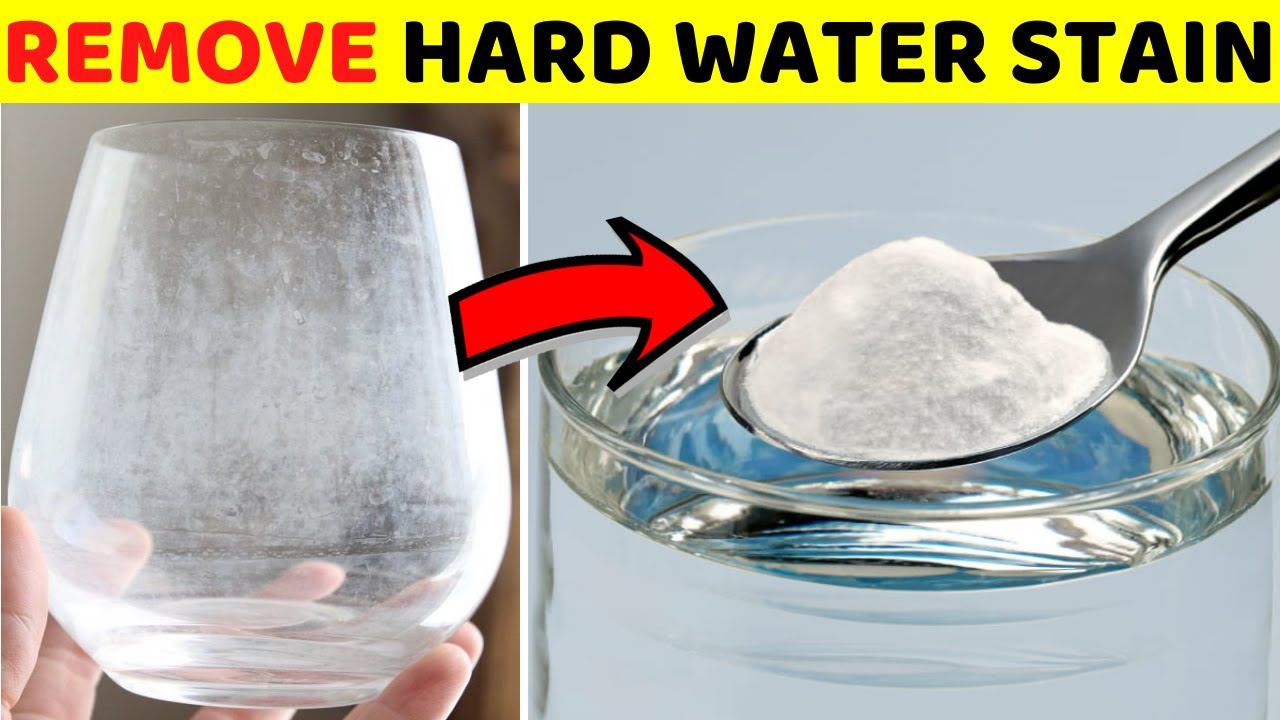
For glass surfaces, mix equal parts white vinegar and warm water in a spray bottle. Spritz generously, let it sit for two to three minutes—yes, set a timer—and then wipe with a microfiber cloth. Avoid paper towels; they leave lint and scratches.
If the spots have been partying for months (years?), try this: soak a cloth in full-strength vinegar, lay it on the glass, and leave it for 15 minutes. Imagine it as a spa treatment for your shower door—relaxing for you, devastating for the spots. Then scrub gently with a non-abrasive sponge.
Pro tip: always do a patch test first, especially on natural stone like marble or granite. Vinegar is acidic enough to etch these surfaces, which is like giving your countertops an unwelcome chemical peel. For stone, swap vinegar for a pH-neutral cleaner or rubbing alcohol diluted with water.
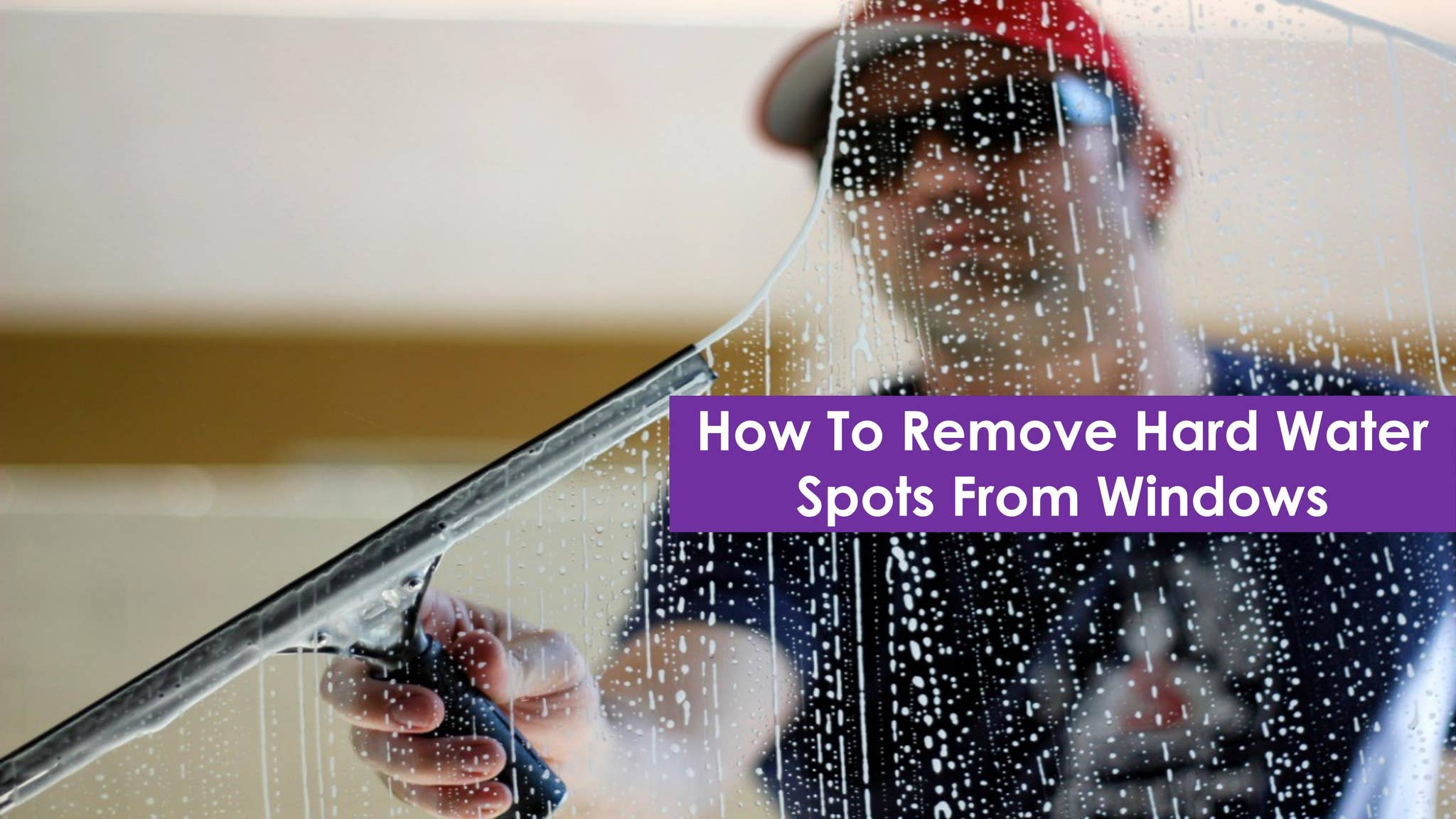 Remove Hard Water Spots From Windows by Olivia Martin - Issuu
For Chrome Fixtures and Faucets
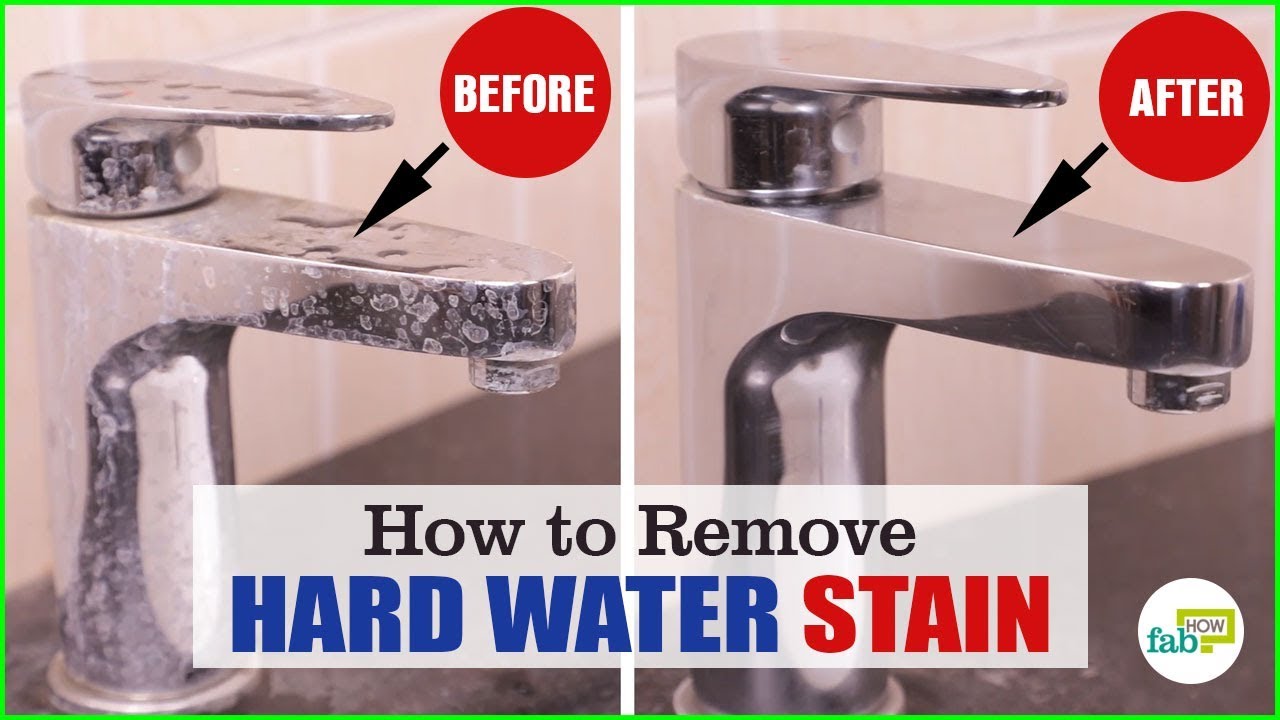
Your bathroom faucet deserves the same love as your favorite pair of sneakers. Here, the Greek philosopher Archimedes would approve of a lemon juice and baking soda paste. Mix a tablespoon of baking soda with enough lemon juice to form a spreadable paste—think toothpaste consistency.
Rub it gently on the faucet with a soft cloth, let it sit for five minutes, then rinse with warm water. The citric acid in lemons chelates minerals, while the baking soda provides gentle abrasion. Finish by buffing dry with a clean cloth; this prevents new spots from forming.
Fun fact: the acidic joy of lemon juice was used in ancient Egypt to polish copper and gold. Cleopatra likely knew that a little sour can make everything shine—she wasn’t just about milk baths.
 Best Way To Remove Hard Water Stains From Stainless Steel Sink at Becky
The Car Care Chapter: Hard Water on Paint
If you’ve ever left your car out after a sprinkler hit it, you know the pain of water spots on paint. Those spots aren’t just cosmetic—they can etch into clear coat over time. Your first line of defense: clay bar detail spray made for automotive use.
Spray the spotted area, then rub a clay bar in a back-and-forth motion. It’s like giving your paint a gentle exorcism. Follow with a spray wax to seal the surface. Never use vinegar on car paint—it can strip the protective clear coat, leaving your ride looking like a desert landscape.
For a quick fix, try distilled water in a spray bottle and a microfiber towel. The distilled water dilutes the mineral residues, and the microfiber lifts them away without scratching. It’s the lazy genius move.
 What Removes Water Spots From Glass at Callum Coombes blog
Everyday Preventatives You’ll Actually Use
Here’s where lifestyle meets practicality. After you shower, grab a squeegee and run it across the glass in three strokes—top to bottom, side to side. This removes 90% of the water before it can leave spots. Keep a microfiber cloth next to the sink for faucets and fixtures.
Install a water softener if you’re a homeowner. It’s an investment, yes, but think of it as a permanent bouncer for those unwelcome mineral guests. For renters, a showerhead filter is a $30 upgrade that cuts spots by half.
Fun fact: the term “hard water” comes from the fact that it makes soap hard to lather. In 18th-century England, people rinsed their hair with rain water to avoid the chalky residue. You can do the same with a simple spray bottle filled with distilled water—spritz your glasses or shower door after cleaning for a spot-free finish.
 Can I Remove Hard Water Stains From My Windows? – XXLRC
The Unexpected Hero: Heat
Here’s a secret most cleaning guides skip: heat accelerates mineral breakdown. For a coffee pot or electric kettle with hard water buildup, fill it with equal parts water and vinegar, then boil it. The heat forces the acid to work faster, and the dissolved minerals will float to the surface like tiny icebergs.
Let it cool, rinse twice with fresh water, and run a plain water cycle to remove any vinegar smell. Your morning coffee will taste cleaner, and your kettle will look brand new. It’s chemistry, but the kind you can actually enjoy.
Reflection: In a world of endless to-do lists, removing hard water spots might seem like a small victory. But here’s the truth—every spot you dissolve is a tiny act of restoration. You’re not just cleaning; you’re reclaiming a surface, a shine, a moment of clarity. That instant when you turn on the light and see no ghostly haze? It feels like a breath of fresh air in a busy day. And honestly, we could all use a little more clarity, even if it’s just on a glass door.
