The Best Home Water Filtration Systems

So, you’ve finally realized that your tap water tastes like a swimming pool that’s been filtered through a gym sock. Welcome to the club, friend. I’m here to guide you through...
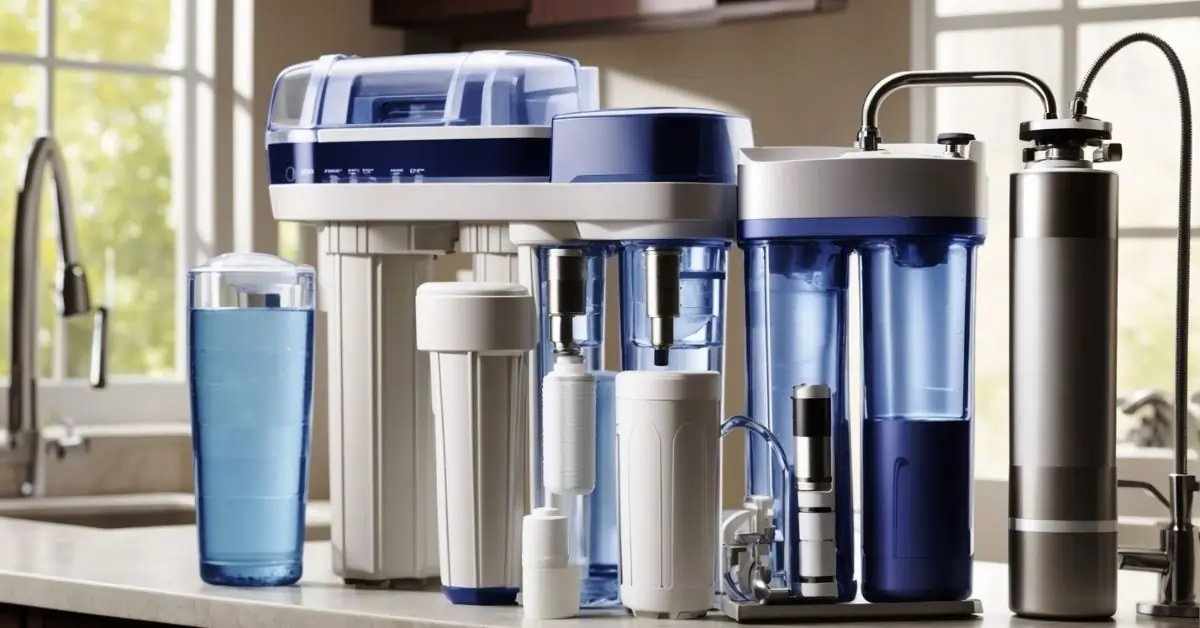
So, you’ve finally realized that your tap water tastes like a swimming pool that’s been filtered through a gym sock. Welcome to the club, friend. I’m here to guide you through the wondrous, slightly confusing world of home water filtration—no lab coat required, just a sense of humor and a thirst for something that doesn’t smell like a lawnmower’s regret.
First, a Shocking Truth About What’s in Your Glass
Did you know the average American tap water contains over 300 different contaminants? That’s more than the number of unread emails in your inbox. We’re talking chlorine, lead, pesticides, and yes, even trace amounts of prescription drugs—because apparently, your neighbors are flushing their anxiety meds. One study found that millions of Americans are drinking water laced with antidepressants. So if you feel oddly calm after a glass of tap water, it’s not the ambiance—it’s the Prozac.
Before you panic and start drinking only imported Fiji water (which, by the way, travels farther than your last vacation), know this: you can fix your home water for less than the cost of a single fancy latte habit. But you have to choose the right system, or you’ll end up with a plastic dinosaur that does nothing but look sad under your sink.
Must Read
The Pitcher of Lies: Fridge Filters and Carafes
Let’s start with the most popular option: the pitcher filter. It’s the beginner’s yoga of water filtration—easy, cheap, and mostly harmless. You fill it, you wait, you pour. But here’s the kicker: most pitcher filters (like that famous blue one) only remove about 50% of contaminants. That’s like going to the gym and only doing one bicep curl—better than nothing, but you’re still flabby.
And let’s talk about fridge filters. You know, the ones you’re supposed to change every six months but actually haven’t touched since the Obama administration? That filter is now a bio-hazard museum. Replace it, or accept that your ice cubes are seasoned with ancient bacteria.
 Best Home Water Treatment System at Wilfred Mccarty blog
The Countertop Hero: Faucet-Mounted Filters
Next up is the faucet-mounted filter. This little guy screws right onto your tap and gives you clean water with a flick of a switch. It’s the Swiss Army knife of filtration: simple, effective, and you can see it working. The downside? It looks like a robotic nasal spray attachment. Your kitchen will suddenly resemble a sci-fi movie set, but hey, at least you won’t taste the chlorine.
Fun fact: faucet filters can reduce lead by 99%. But they also slow your water flow to a sad trickle. You’ll be standing there for 45 seconds just to fill a water bottle, which gives you plenty of time to contemplate your life choices—like why you didn’t just buy a Brita.
 Household Water Filtration System What Is The Role Of Filtration In
The Under-Sink Powerhouse: Reverse Osmosis
If you want your water to taste like pure, mountain-spring rain that’s been blessed by a glacier, you need a reverse osmosis (RO) system. This thing is the Arnold Schwarzenegger of filters—it removes everything, including dissolved solids. We’re talking 99.9% of contaminants. It even filters out the pesticides that farmers used twenty years ago that are still haunting your pipes.
But there’s a catch. RO systems waste about 3 to 4 gallons of water for every gallon they clean. Yes, you read that right. You’ll be purifying water by literally throwing most of it down the drain. It’s like buying a sports car that uses gummy bears for fuel—amazing performance, but you’ll question your sanity. And installation requires a Ph.D. in plumbing and a willingness to live without your under-sink storage for a weekend.
The Whole-House Monstrosity: Point-of-Entry Systems
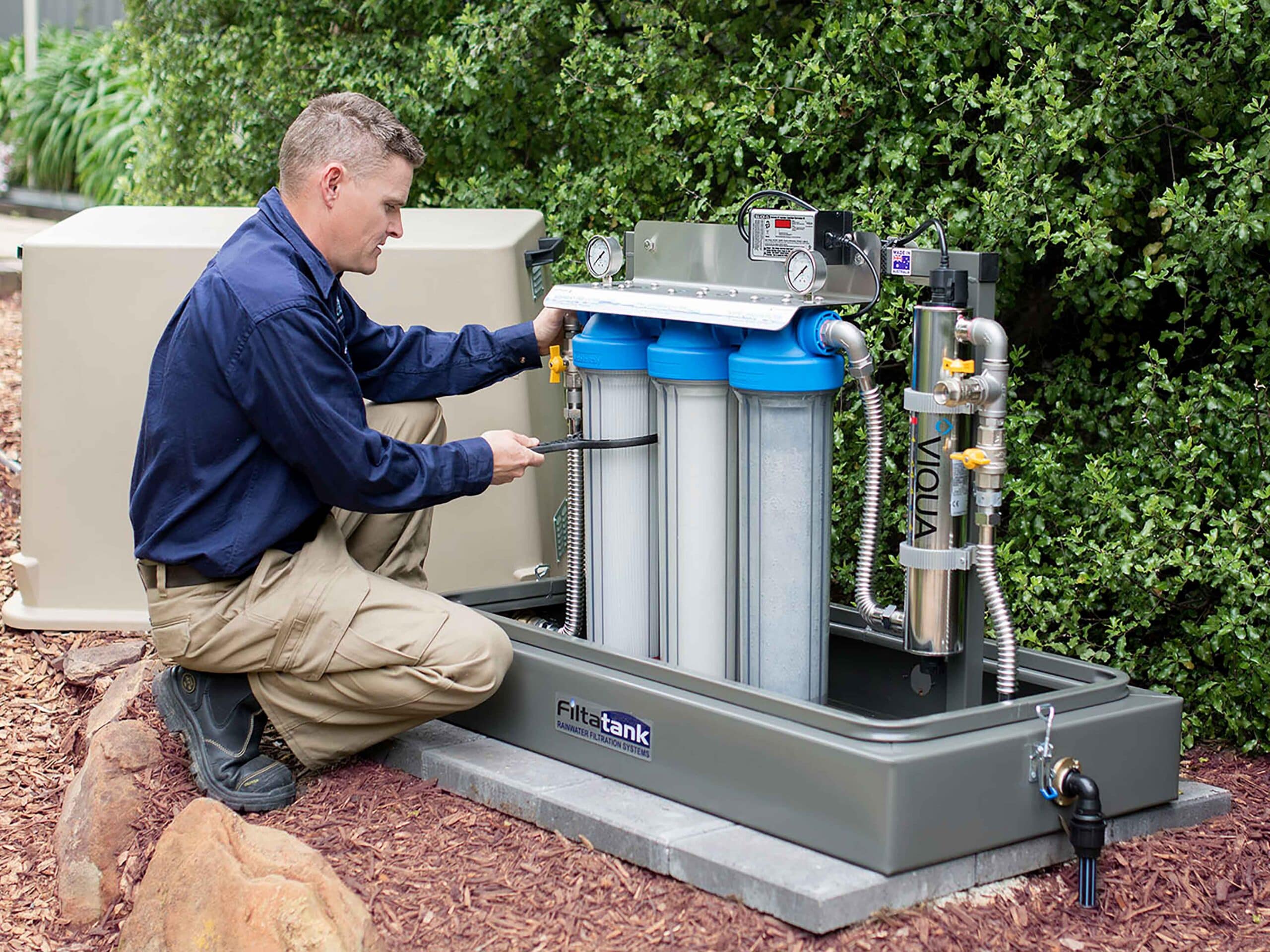
Are you a hardcore water enthusiast? Do you want your shower, your toilet, and your garden hose to all taste like heaven? Then you need a whole-house filtration system. This beast connects to your main water line and treats every single drop that enters your home. It’s the equivalent of putting a Brita filter on your entire house—a very expensive, very large Brita.
 Best Home Water Filtration Systems | How to Choose
The benefit? No more chlorine-scented showers. Your skin will stop pretending it’s a dried-out lizard. Your hair will stop frizzing like a startled hedgehog. The downside? It costs anywhere from $1,000 to $5,000, plus installation that might require jackhammering your driveway. And you’ll need to replace the filter cartridges, which are roughly the size of a beach ball.
The Shocking Secret of Charcoal
Here’s a surprising fact: the most effective filter material is activated carbon. It’s basically charcoal that’s been treated to be super-porous. One gram of activated carbon has a surface area of an entire football field. That’s why it can trap chemicals, odors, and that weird metallic taste. It’s like a microscopic Pac-Man that eats your water’s sins.
 15 Best Water Filtration Systems for Your Home in 2025: Clean Water
But don’t be fooled by fancy marketing. All carbon filters are not created equal. Some are “carbon block” (good), others are “granular” (mediocre). Check the label for NSF certification. If it doesn’t say “NSF 53” or “NSF 58,” you might as well be filtering your water through a used sock.
Final Tip: Don’t Be a Water Snob, Be a Water Sleuth
Here’s the real punchline: the best system depends entirely on your water. Order a home test kit for $20. It will tell you if you have lead, chlorine, or just a case of “old pipe funk.” Don’t guess—unless you enjoy the thrill of gambling with your kidney health. And remember, whatever you choose, you’ll instantly become that person who smugly refuses to drink tap water at restaurants. “Sorry, I only drink water that’s been bullied through a carbon block AND a UV light.” You’ll be insufferable, but at least you’ll be hydrated and healthy.
So go forth, filter your water, and drink up. Your body—and your taste buds—will thank you. Just don’t forget to change the filter every six months. Or, you know, just taste the water and guess. That’s what we all do anyway.
