Best Water Softener For Septic Systems

Okay, let’s talk about something thrilling: hard water. And septic systems. Yes, I see you almost scrolling away. But stick with me. You have a septic tank. You have scale-cru...

Okay, let’s talk about something thrilling: hard water. And septic systems. Yes, I see you almost scrolling away. But stick with me.
You have a septic tank. You have scale-crusted faucets. And you’re wondering: Can I have a water softener without ruining my septic system? The answer is a giant, glorious YES. But you have to buy the right one. Not all softeners are septic-friendly; some are basically tiny environmental villains for your tank.
Think of your septic tank as a delicate, slimy ecosystem. It’s full of bacteria that eat solids. Hard water destroys that balance by flooding it with calcium and magnesium. But a poorly-chosen softener? It dumps salty brine that murders those helpful bacteria. Rude.
Must Read
What Makes a Softener “Septic Safe”?
First, look at how it regenerates. Demand-initiated regeneration is your new best friend. These smart machines only clean themselves when they actually need to. No wasting salt or water.
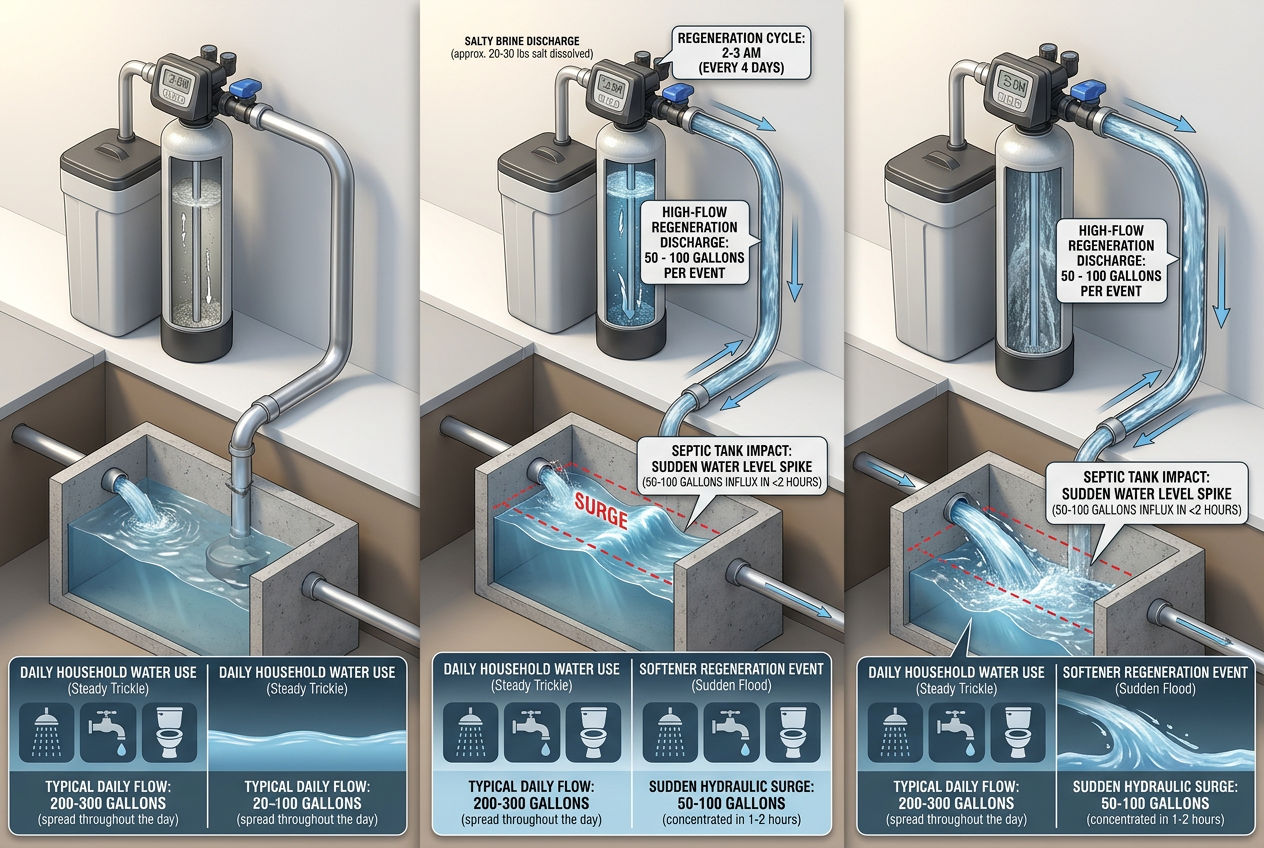
Older softeners regenerate on a timer. Every Tuesday at 3 AM, they flush brine whether your water is hard or not. That’s like taking a shower just because the clock says so. Wasteful and bad for your septic.
Look for a high-efficiency model. They use less salt and less water per regeneration. Less salt going into the tank equals happier bacteria. Happier bacteria means no sludge backup. You do not want sludge backup.
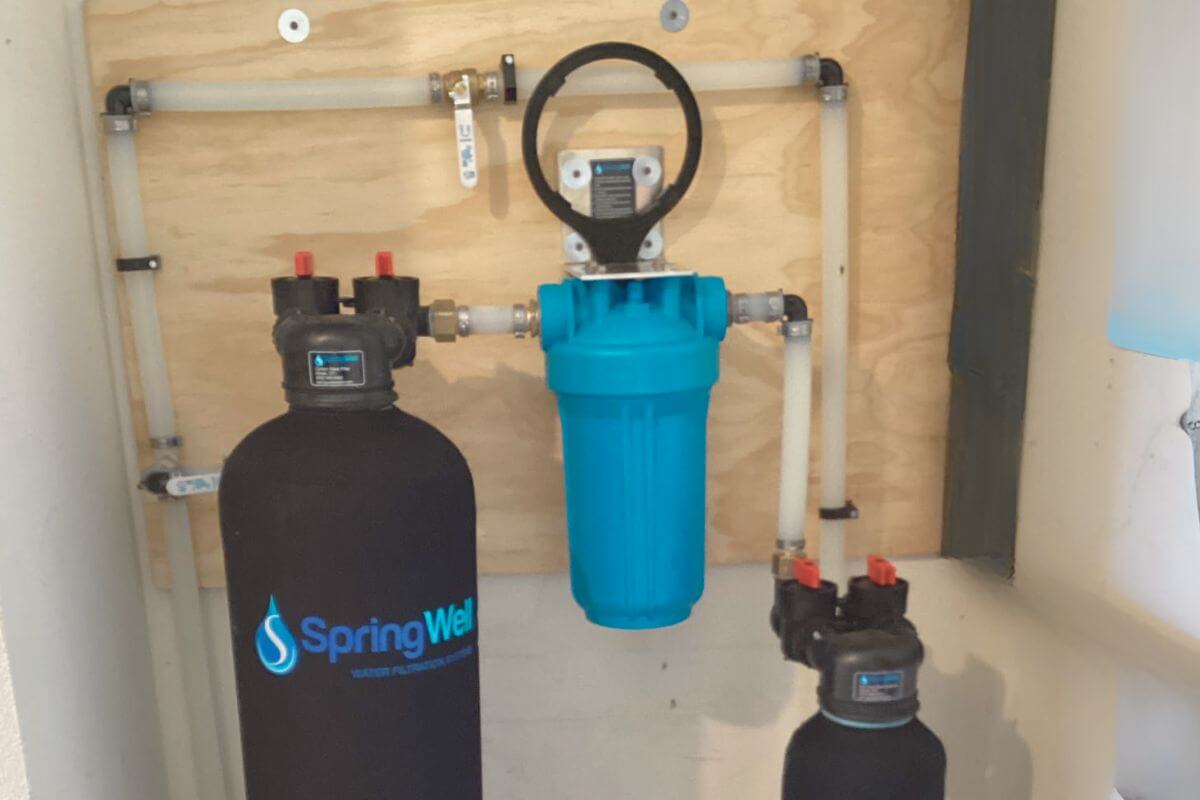 3 Best Water Softeners for Septic Systems (August 2024)
Also, check the salt dosage. A septic-smart softener keeps salt usage low. You want one that uses potassium chloride instead of sodium? Potassium is pricier, but it’s kind of a plant-friendly alternative. Your drain field will send you a thank-you card.
The Top Contenders (No Fluff)
1. The WaterBoss Pro 22 is a compact powerhouse. It’s built for small homes with septic systems. It uses an incredibly low amount of water during regen—only 17 gallons. Most softeners use 50 gallons. That’s less stress on your tank than a single load of laundry.
It also has this clever feature: it uses a metered valve that learns your usage. “Oh, you used 500 gallons this week? Time to regen.” Not a second sooner. Your septic bacteria will throw a little party.
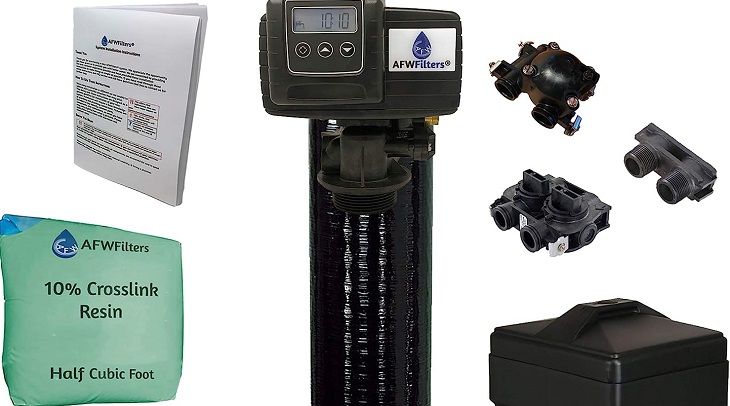 Best Water Softener For Septic Systems in 2026 | GuessBest
2. The Fleck 5600SXT. This is a DIY hero. It’s basic, affordable, and lets you tune the salt dose manually. You can set it to use the absolute minimum salt your water needs. Perfect for controlling what flows into your septic.
It’s also rebuildable. If a part breaks in ten years? You can fix it. That means less landfill waste. Your septic tank already deals with enough weird stuff; let’s not add broken plastic valves.
3. The NuvoH2O Manor System. This one is a total curveball. It uses citric acid instead of salt. That’s right—no brine, no salt, no sodium. It creates a condition that stops scale without killing bacteria.
Is it as powerful as a salt system? Not for extreme hard water. But for moderate hardness? It’s a dream. Your septic system basically treats it like a mild lemonade. No shock to the system. Refreshing.
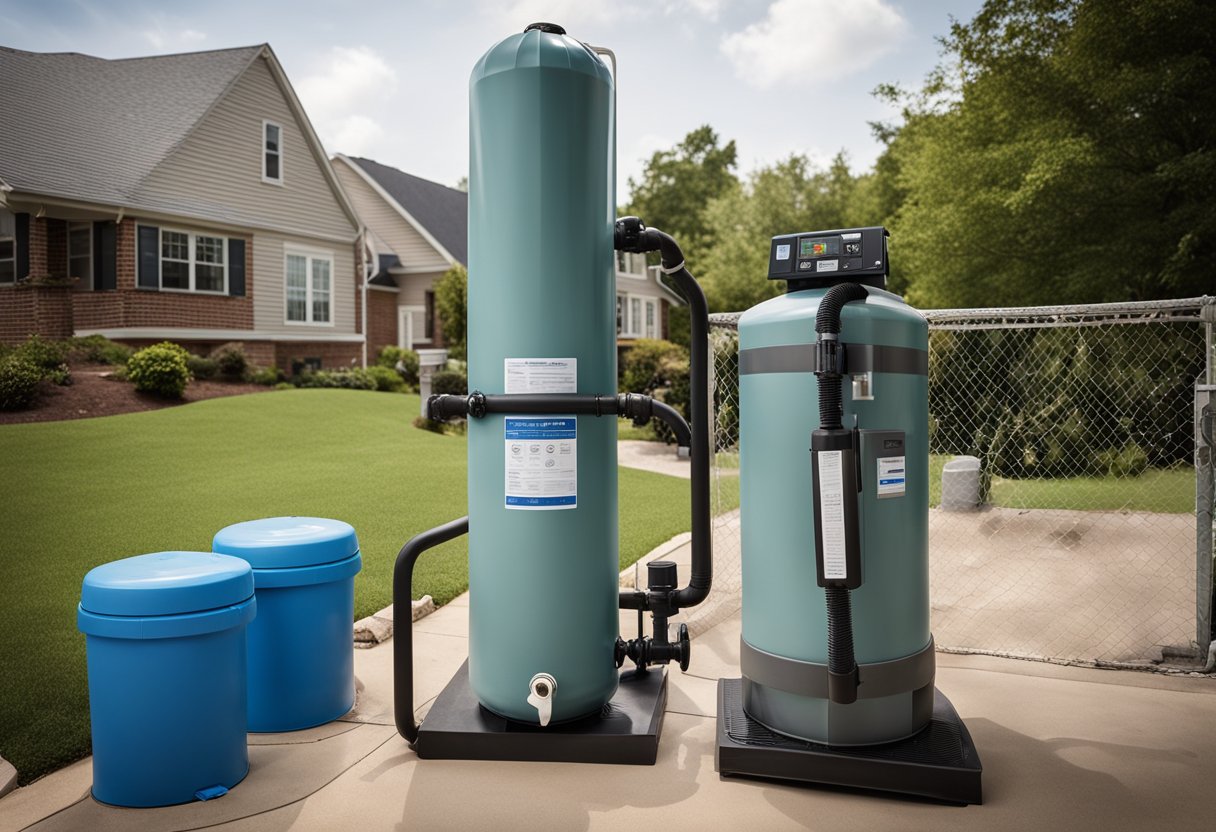 Does a Water Softener Damage Aerobic Septic System? Explained
The Golden Rules (Don’t Skip These)
Even with the best softener, you must pump your septic tank every 3-5 years. I know, I know. It’s not fun. But the softener adds extra water. Extra water moves more solids into the tank. You need the pros to suck that out.
Installing a separate cold water line that bypasses the softener is brilliant. Your toilets and garden don’t need soft water. They only add volume to the septic tank. Keep it raw and unsoftened for those.
Also, don’t use resin cleaners or harsh chemical additives in your softener. Those are bacteria-killers. Just use clean salt and let the machine do its thing. Your septic doesn’t want a chemical bath.
 Water Softener Septic System: Safe? (2026)
What About the “Salt-Free” Myth?
You’ll see gadgets that claim to be “salt-free water softeners.” Most are actually water conditioners. They don’t remove hardness; they just change the crystal structure so it doesn’t stick. They’re great for pipes, but they don’t reduce bacteria-harming salt.
If you have moderate hard water and are terrified of salt, a conditioner is a fair option. But if your water is rock-hard (calcium >10 grains per gallon), you still need a real softener. Just a septic-safe one.
Let’s recap like we’re finishing our second cup of coffee. Buy a meter-controlled, high-efficiency softener with low brine usage. The WaterBoss Pro 22 is the go-to for most septic owners. The Fleck is for nerdy DIY types. The NuvoH2O is for the salt-averse.
Your septic system is not a science experiment. It’s a grumpy old creature that just wants peace, quiet, and not too much salt. Give it that, and you’ll have soft water and a happy backyard. Win-win. Now go make that tank proud.
