Best Water Filtration Systems For Home

So there I was, staring at a glass of tap water that looked perfectly clear but tasted faintly of swimming pool. My neighbor, a self-proclaimed “water sommelier” (I didn’t ask...
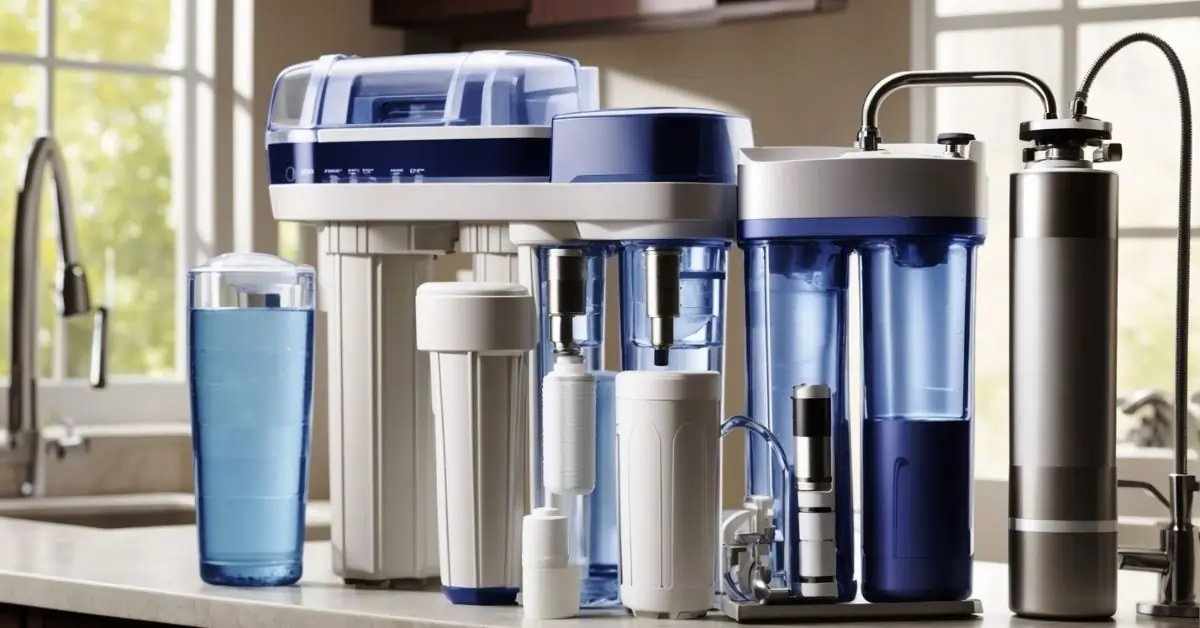
So there I was, staring at a glass of tap water that looked perfectly clear but tasted faintly of swimming pool. My neighbor, a self-proclaimed “water sommelier” (I didn’t ask), had just handed me a fancy bottle of spring water and said, “Your sink is lying to you.”
He wasn’t wrong. After one sip of his magical elixir, my tap water suddenly felt like a betrayal. That moment kicked off a three-week spiral into the wild world of home filtration systems—and trust me, it’s weirder than you think.
Let’s cut through the hype: not all water filters are created equal, and buying the wrong one is like putting a band-aid on a broken pipe. But the good news? You don’t need a degree in chemistry to drink great water—you just need to know what’s lurking in yours first.
Must Read
Step One: What’s Actually in Your Glass?
Hint: It’s not just “water.” Your tap might carry chlorine (that pool taste), lead from old pipes (yikes), or microplastics that are basically the glitter of the pollution world. A simple home test kit—yes, they sell these on Amazon for like $15—will tell you what you’re dealing with.
If you’re on city water, you’re probably fighting chlorine, chloramine, and maybe some sediment. Well water, on the other hand, is a wild card: iron, bacteria, or even “rotten egg” sulfur. Drill down on your specific enemy before you buy anything.
The Big Four: Which Filter Suits Your Sink?
I’m going to level with you: there’s no “best” filter for everyone, but there’s definitely a best filter for your situation. Here’s the breakdown, no fluff.
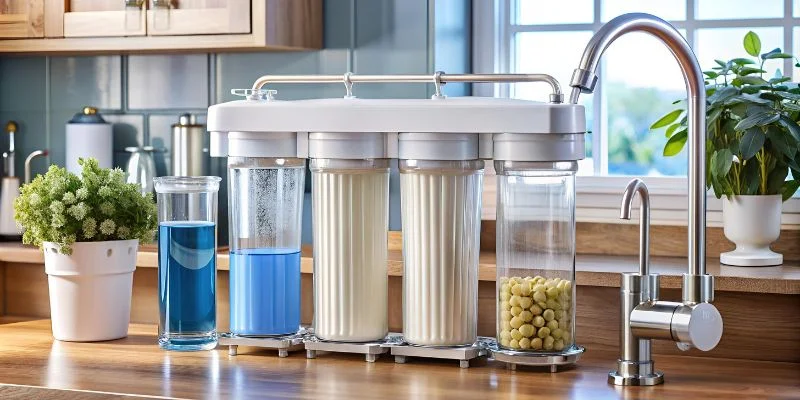 Best Water Filtration System for Your Home
1. Pitcher Filters (The Gateway Drug)
You’ve seen these on every kitchen counter, from college dorms to suburban homes. Brita and Pur are the kings here, and they’re great for improving taste and catching basic sediment. But let’s be real: they’re slow, small, and won’t touch lead or bacteria.
Perfect for renters or people who want “slightly better” water without installing anything. But if you’re chugging through a pitcher a day, you’re essentially playing a game of “will the filter stay mold-free?” Spoiler: it won’t.
2. Faucet-Mounted Filters (The Compromiser)
These attach directly to your tap, which is convenient until you realize they make your sink look like a robot octopus. Brands like Culligan and Pur offer decent chlorine reduction and can switch back to unfiltered flow for washing dishes. But they reduce water pressure, and the filter cartridges are surprisingly expensive over time.
 Best Home Water Filtration Systems | How to Choose
Honest moment: I tried one, and the plastic felt flimsy after six months. Good for a quick fix, but not your forever solution.
3. Under-Sink Reverse Osmosis (The Overachiever)
Welcome to the big leagues. These systems—like the APEC ROES-50 or iSpring RCC7—sit under your sink and push water through a membrane that removes almost everything: lead, arsenic, fluoride, even those microplastics I mentioned.
The catch? They waste some water (yep, about 4 gallons for every 1 filtered) and require installation that might make you sweat. But if you want the purest water without tasting like a lab experiment, this is it. Plus, you get a dedicated faucet that looks fancy AF.
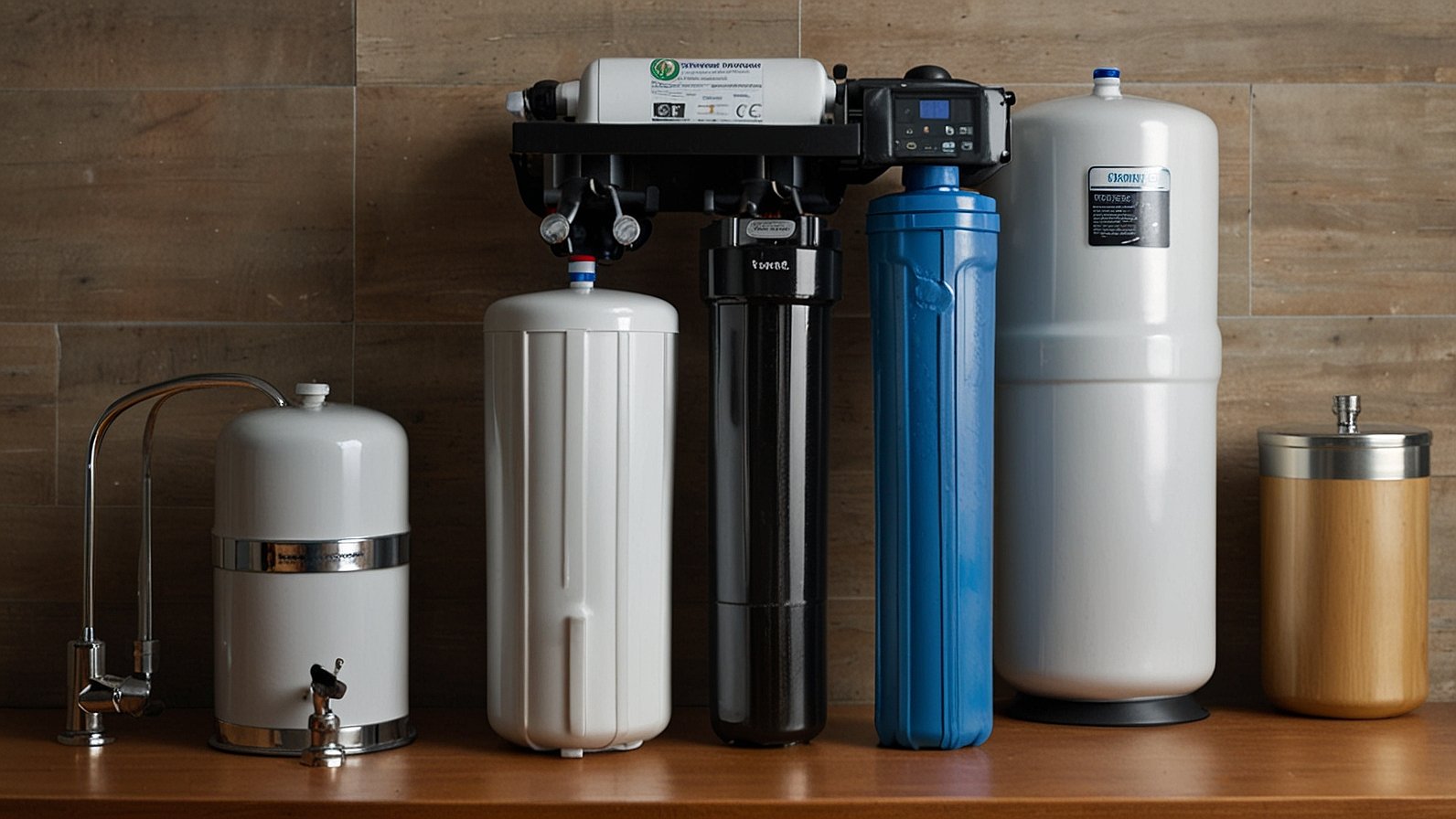 Best Water Filtration Systems Guide 2025 | Complete Review
4. Whole-House Filters (The Overkill, But In A Good Way)
Think of this as a bodyguard for your entire home. It filters water before it reaches your pipes—meaning every shower, every toilet flush, and every glass gets clean. These are essential if you have well water with sediment or iron staining your laundry.
Big names like Pelican or SpringWell cost a pretty penny upfront (think $600–$1,500), but they last years and protect your appliances from scale buildup. Your water heater will literally thank you.
The Elephant in the Filter: Maintenance
You can buy the most expensive system on Earth, but if you forget to change the cartridge… congratulations, you’re now drinking through a petri dish. Most filters need replacing every 3–6 months, and some require sanitizing the system annually. Set a reminder on your phone, I’m begging you.
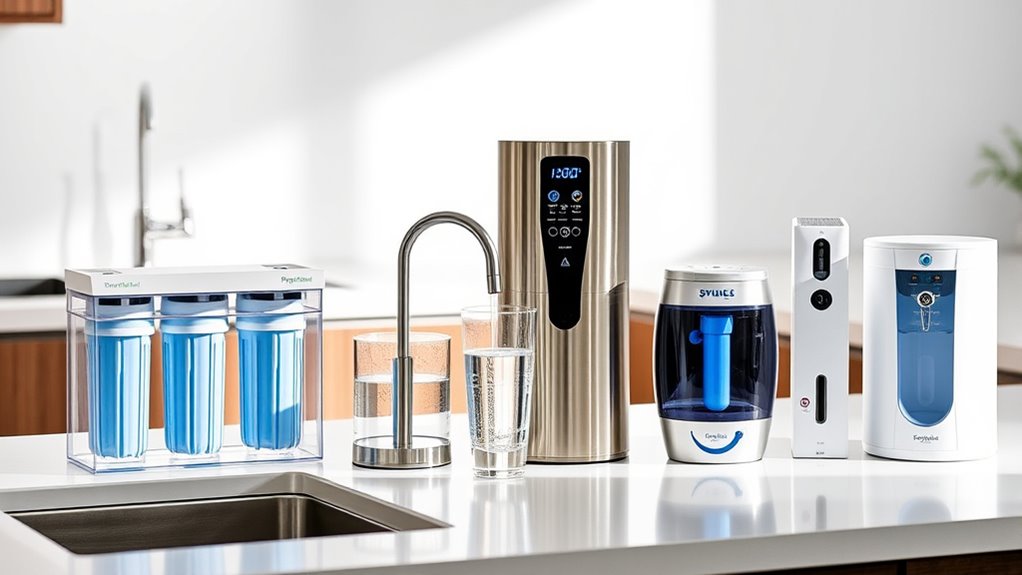 15 Best Water Filtration Systems for Your Home in 2025: Clean Water
One friend of mine had a reverse osmosis system he ignored for two years. The water came out tasting fine, but when we opened the filter, it looked like a swamp. Morale of the story: don’t be a swamp person.
So, What Do You Actually Buy?
Let’s get real practical here. If you’re renting and cheap: go with a pitcher filter—ideally one with a carbon block (not just granulated carbon). If you own your home and drink a lot of water, an under-sink reverse osmosis system is the gold standard. For well water users, a whole-house system is non-negotiable unless you like orange-stained toilets.
My personal winner? I ended up with an iSpring RCC7 under my sink, and I literally drink more water now. Is it expensive? Kinda. Did it stop me from buying bottled water forever? Absolutely. The taste is so clean it’s almost boring—which, in this case, is the highest compliment.
Go get yourself a test kit first. Then pick your poison (or, uh, filtration method). Your future self, who wakes up at 3 AM to a glass of delicious cold water, will send you a thank-you note. Probably not, but you get the idea.
