Best Water Filtration Systems For Homes

So, there I was, staring at a glass of tap water that looked suspiciously like it had been through a laundry cycle. A faint, earthy smell. A color that could generously be cal...
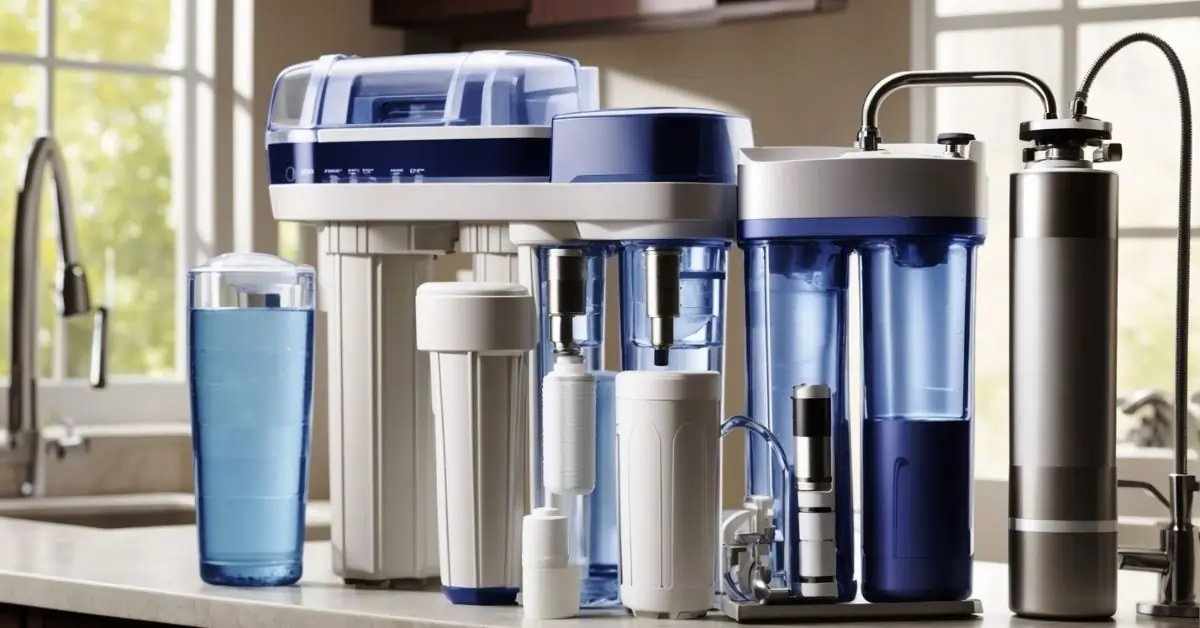
So, there I was, staring at a glass of tap water that looked suspiciously like it had been through a laundry cycle. A faint, earthy smell. A color that could generously be called “cloudy beige.” I took a sip, and my kitchen faucet basically told me, “You’re on your own, buddy.” That was the moment I realized my home needed a serious hydration intervention. And not the yoga kind.
That beige nightmare kicked off my deep dive into the world of water filtration. Trust me, it’s a rabbit hole filled with jargon, charcoal, and reverse osmosis. But here’s the good news: you don’t need a chemistry degree to drink water that tastes like actual water. Let’s cut through the noise, shall we?
The Big Three: What’s Your Water Actually Hiding?
Before you buy anything, you need to know what’s buzzing in your glass. Is it chlorine, lead, or just weird-tasting minerals? A cheap test kit from Amazon is your best friend here—way cheaper than a trip to the ER (dramatic? Maybe. But water is serious business.).
Must Read
Most tap water issues fall into three camps: sediment (sand, dirt), chemicals (chlorine, pesticides), and heavy metals (lead, mercury). The best system for you depends entirely on which of these nightmares is haunting your pipes. No pressure, right?
Option 1: The Pitcher – Lazy, Cheap, and Honest
Let’s start with the humble Brita or Pur pitcher. This is the gateway drug of water filtration. It sits in your fridge, looks cute, and removes chlorine and bad taste with a simple carbon filter. Perfect for renters or people who change filters only when they feel guilty (which is never enough).
But let’s be real: a pitcher won’t save you if your water tastes like a swimming pool or has heavy metals. It’s like putting a band-aid on a broken leg. Great for a quick sip, but don’t expect miracles.
 Best Home Water Filtration Systems | How to Choose
Option 2: Faucet-Mounted Filters – The Overachiever with a Diet
These attach directly to your faucet and switch between filtered and unfiltered water. They’re a step up in power, but they come with a catch: they slow your water flow to a trickle. You’ll be standing there, waiting for a glass of water like it’s a hostage negotiation.
They are decent for reducing chlorine and some sediment, but they’re not perfect for lead or bacteria. Plus, they’re ugly. I said it. They hang off your faucet like a weird plastic tumor. If you’re a renter who can’t drill holes, this is your compromise. Just don’t expect interior design awards.
The Heavy Hitters: When You’re Serious About Your H2O
If you own your home or you’re just a control freak (hello, fellow enthusiast), it’s time to look under the sink. This is where the magic—and the money—happens.
 Best Home Water Treatment System at Wilfred Mccarty blog
Let me introduce you to the Certified Class of filtration. These systems are plumbed directly into your water line, hidden away in your cabinet. Out of sight, out of mind, but very much in your glass.
The Under-Sink Carbon Block – The Unsung Hero
Think of this as the pitcher’s older, stronger brother. It uses a solid block of carbon to remove chlorine, taste, odor, and even some cysts (like Giardia). It’s affordable, easy to install with basic tools, and won’t drain your bank account. Brands like iSpring or Aquasana are solid bets.
The catch? It doesn’t remove dissolved solids like salt or heavy metals. If your water is hard or lead-laden, this isn’t your final answer. It’s the “good enough” option for most city dwellers with decent municipal water.
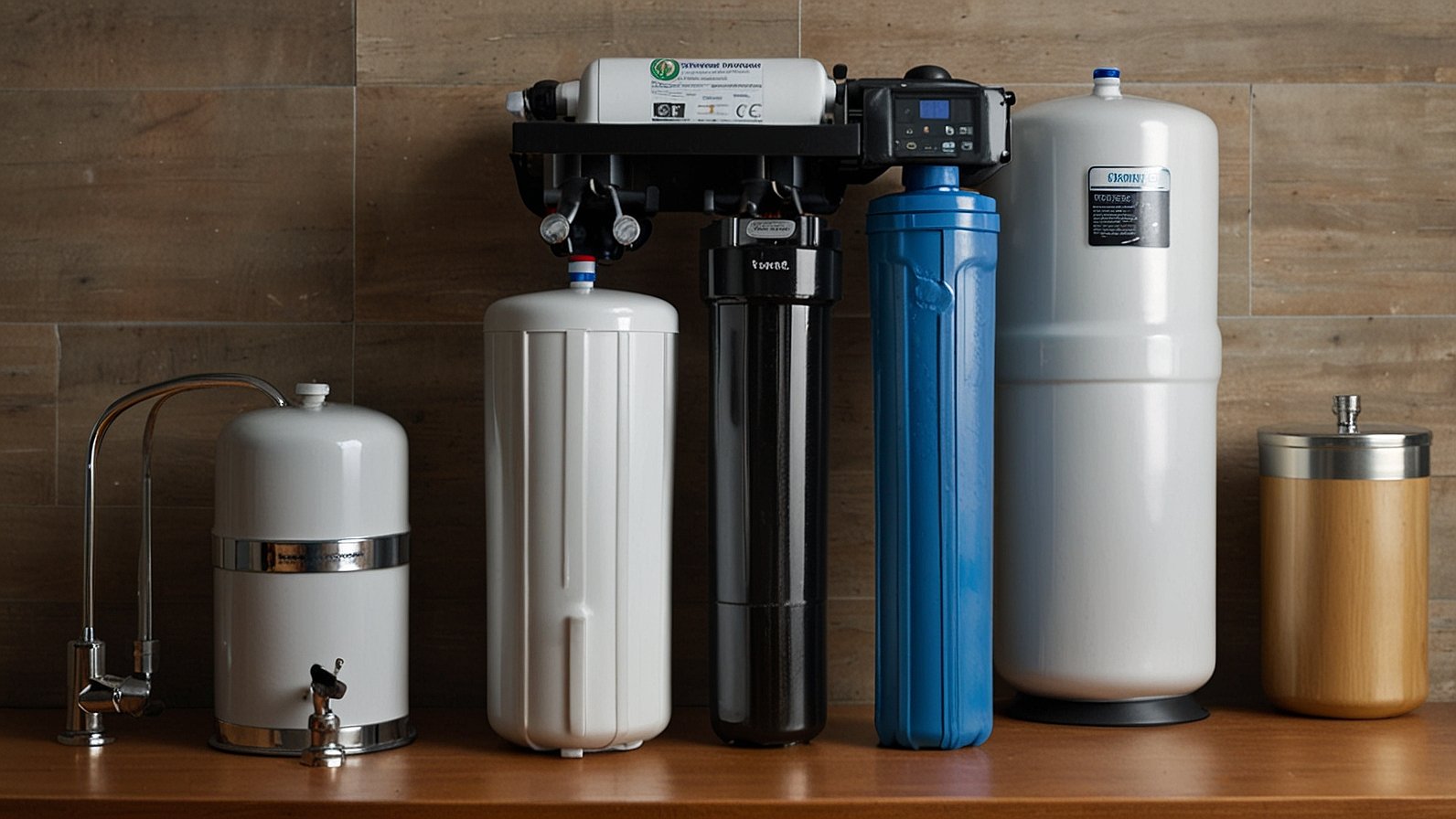 Best Water Filtration Systems Guide 2025 | Complete Review
Reverse Osmosis (RO) – The Nuclear Option
This is the big daddy. Reverse Osmosis systems use a semi-permeable membrane to filter out everything—and I mean everything. Lead, arsenic, fluoride, microplastics, even your hopes and dreams (kidding). The water comes out so pure it’s basically distilled. It’s the choice of preppers, health nuts, and people who think “zero TDS” is a compliment.
But here’s the irony: RO systems waste a lot of water—typically 3 to 4 gallons of wastewater for every 1 gallon of clean water. So you’re saving your health but killing the planet a little bit. Oops. Also, they’re slower and more expensive to maintain (new filters every 6–12 months).
I have one. I love it. But I also feel guilty every time I watch the drain line run. Moral ambiguity in a glass.
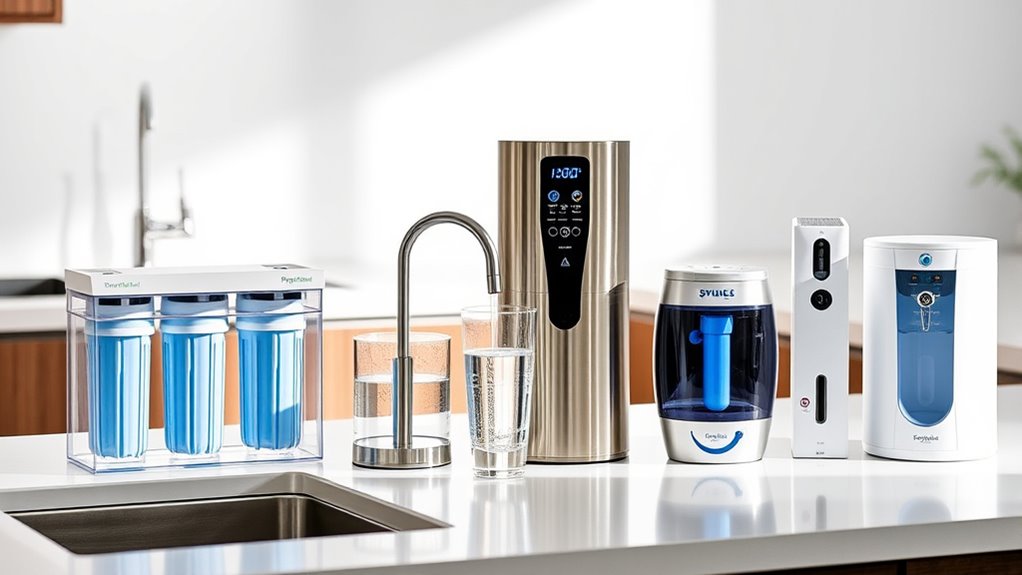 15 Best Water Filtration Systems for Your Home in 2025: Clean Water
The Whole-House System – Because Your Shower Deserves Love Too
Wait—you think filtration is just for drinking? Your skin is your largest organ, and it’s drinking that chlorinated shower water every morning. A whole-house filter (also called point-of-entry) treats every tap in your home. It’s a big blue tank that removes sediment and chlorine before water hits your pipes.
This is the gold standard for people with itchy skin, dry hair, or well water. But it’s expensive and requires professional installation. You’re basically buying a water treatment plant for your basement. If you’ve got the budget, do it. If not? Stick with an under-sink system and a shower filter. Baby steps, people.
The Ironic Conclusion
After all this research, my beige water is now crystal clear. I feel like a wizard. But the truth is: the best system is the one you actually use and maintain. A fancy RO system with expired filters is worse than tap water. Yes, I said it.
Start with a pitcher if you’re skeptical. Graduate to under-sink carbon if you’re serious. Go full RO if you’re a fiend for purity. And always, always remember: the water you ignore is the water you’re drinking. Now go hydrate, you beautiful, filtered creature.
