Best Water System For Molecular Biology

So, you want to be a molecular biology wizard. You’ve got the pipettes, the expensive enzymes, and a fancy thermocycler that beeps at you. But wait—have you thought about your...

So, you want to be a molecular biology wizard. You’ve got the pipettes, the expensive enzymes, and a fancy thermocycler that beeps at you. But wait—have you thought about your water? I know, I know. It sounds about as exciting as watching paint dry. But trust me, the best water system can be the difference between groundbreaking results and a frustrating afternoon of crying over your gel.
Why Your Tap Water is a Villain
Let’s be real: tap water is a chaotic mess of minerals, bacteria, and random ions. It’s like inviting a toddler to a formal dinner—things will get spilled. In molecular biology, those tiny contaminants can wreck your PCR reactions or kill your delicate cell cultures. Pure water isn’t a luxury; it’s your lab’s unsung hero.
Think of it this way: you wouldn’t bake a soufflé with dirty flour, would you? The same logic applies to your experiments. Your water needs to be sterile, free of nucleases, and as consistent as your favorite coffee shop’s latte art.
Must Read
The Contenders: Reverse Osmosis vs. Distillation
You’ve got two main options, and they’re like the Beatles and the Rolling Stones—both legendary, but different vibes. Reverse osmosis (RO) pushes water through a semi-permeable membrane, kicking out most ions and big molecules. It’s fast, energy-efficient, and perfect for general use like making buffers or washing glassware.
On the other side, we have distillation, which boils water and condenses the steam. This kills bacteria and removes almost everything except water molecules. It’s the old-school champ, but it’s slow and a bit of a diva—it needs cleaning and can oxidize certain compounds.
 Molecular Water Stock Photos, Images and Backgrounds for Free Download
For molecular biology, though, the real star is often a Type I ultrapure water system. This is the Ferrari of water. It combines RO, UV light, and a final polish to zap away any remaining RNases or endotoxins. It’s what you use for PCR, sequencing, or cell culture.
The “Fun” Part: What to Look For
Here’s where it gets weirdly fun. You want a system with a resistivity meter—aim for 18.2 MΩ·cm. That number means your water is almost perfectly pure. I like to imagine it as the water equivalent of a platinum record: it’s that good.
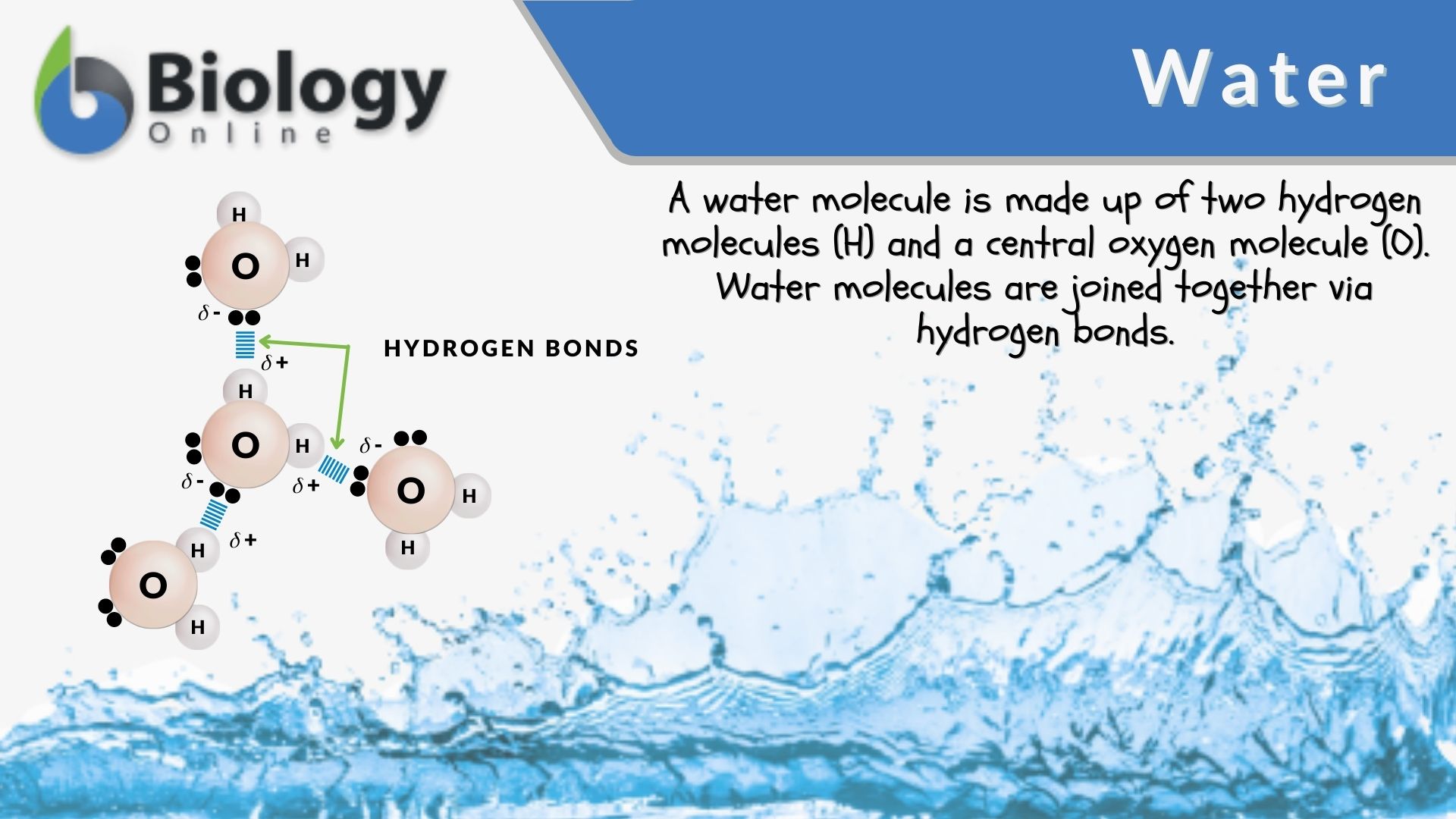 Water Vapor Molecular Structure
Also, check for a built-in UV lamp. It zaps any stray DNA or RNA floating around. If your water system doesn’t have one, you’re basically inviting ghosts to your PCR party. And nobody wants ghost data.
Another pro tip: look for a system with a dispensing gun or a faucet attachment. Wrestling a heavy water bottle is so last century. A sleek, push-button dispenser makes you feel like you’re in a sci-fi movie. Plus, you can finally hydrate your cells with style.
The Budget-Friendly Hack
Don’t have a thousand bucks for a benchtop super-system? No problem! You can buy pre-made molecular biology grade water in bottles. It’s sterile, nuclease-free, and costs less than your morning latte habit. Just make sure it’s labeled “DNase/RNase-free.”
 Energetic water confined in molecular cavities supercharges chemical
Or, if you’re feeling DIY, you can use a deionization (DI) filter attached to your tap. It’s not perfect for everything, but it’s great for buffer solutions. Just remember: DI water is like a teenager—it’s very reactive and will steal ions from the air. Use it quickly.
The Happy Result
When you finally get the best water system, your experiments will thank you. Your gels will be crisp, your PCR will work on the first try, and your cells will grow like happy little sunflowers. You’ll spend less time troubleshooting and more time doing the actual science that makes you excited.
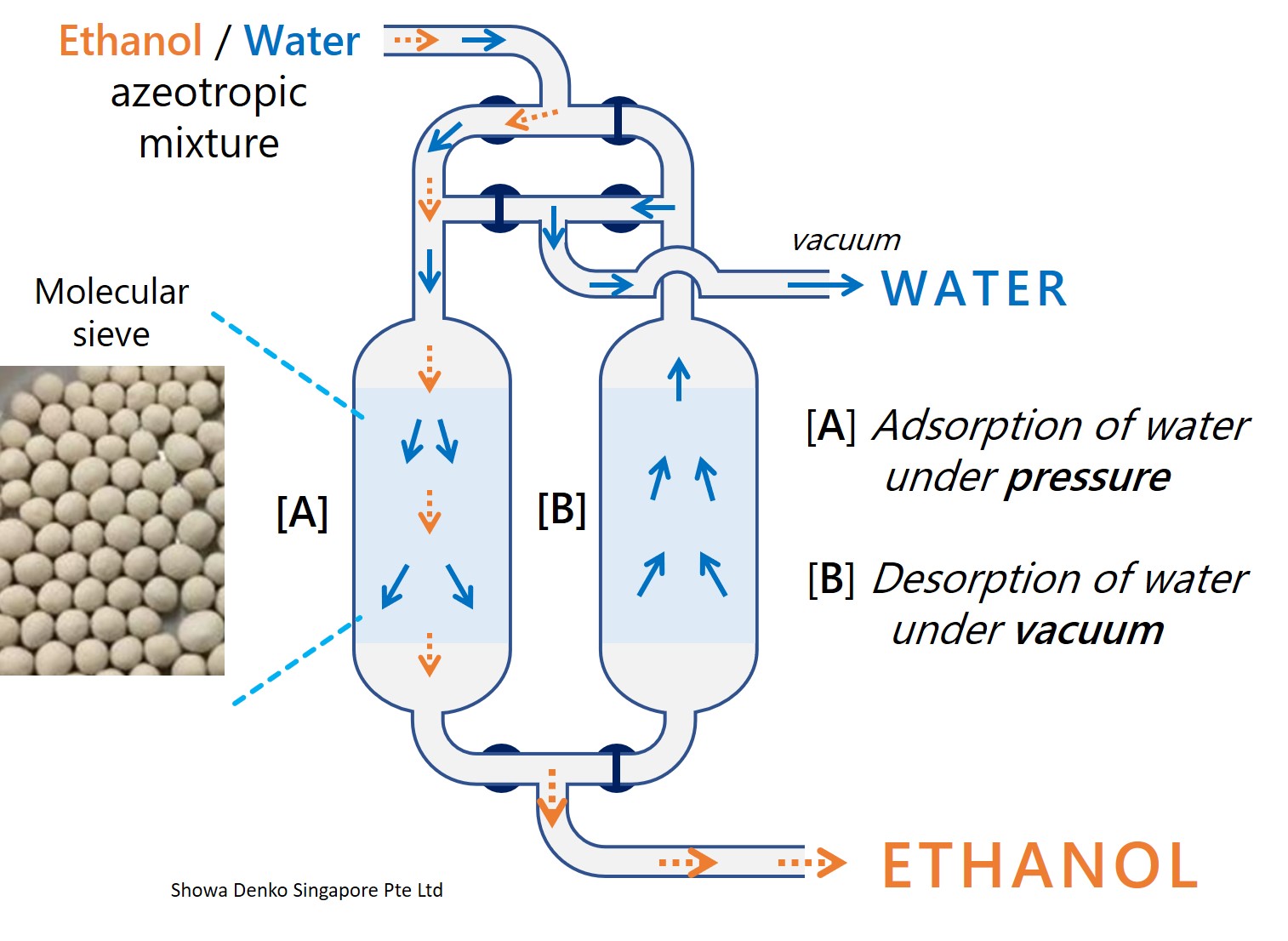 Molecular Sieve - Resonac Asia Pacific
And here’s the inspiring note: you’re not just buying a machine. You’re buying peace of mind. You’re saying to the universe, “I respect the craft, and I won’t let bad water ruin my discovery.” Every clean drop is a small act of love for your future self.
So go ahead. Research a system, read reviews, and maybe even pet the shiny dispenser in the catalog. Because when your data is beautiful and your enzymes are happy, you’ll know you made the right choice. And hey, you’ll be the coolest scientist on your floor—the one who actually cares about the water.
Your molecules deserve the best. And so do you. Now go make some magic, you beautiful water connoisseur.
