Best Water Softener For Hard Water Issues

You know that chalky film on your just-washed glassware? The one that makes your morning orange juice look like it’s auditioning for a low-budget horror film. That’s hard wate...
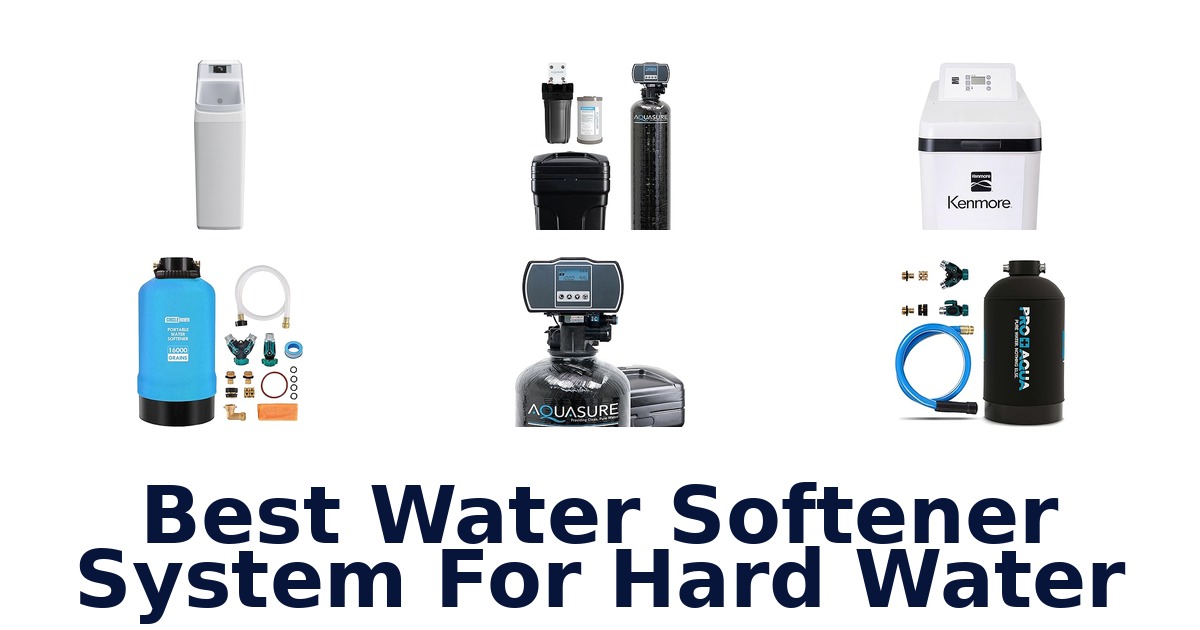
You know that chalky film on your just-washed glassware? The one that makes your morning orange juice look like it’s auditioning for a low-budget horror film. That’s hard water—a silent, sneaky guest who overstays its welcome in millions of homes. It’s the mineral-heavy antagonist of your plumbing, your skin, and your sanity.
But here’s the good news: finding the best water softener for hard water issues isn’t about wrestling with pipes or re-wiring your laundry room. It’s about choosing a quiet hero that works while you sleep, sip coffee, or binge-watch The White Lotus. Let’s make your water feel like a spa, not a science lab.
First, why does hard water feel like a personal attack?
Hard water is loaded with calcium and magnesium—minerals that sound healthy but act like tiny construction workers building scale inside your pipes. That white crust on your faucet? It’s their unfinished condo project. And your hair? It feels like straw because soap reacts with these minerals instead of rinsing clean.
Must Read
A 2024 survey by the Water Quality Association found that 85% of U.S. homes have hard water. That’s roughly everyone you know—including your neighbour who always has shiny dishes. The fix isn’t magic; it’s a water softener system that swaps those minerals for sodium or potassium ions.
Think of it as a mineral exchange program. Your water trades its hard, scratchy personality for a soft, silky one. And yes, you’ll notice the difference after your first shower—like stepping into a cloud, but for your pores.
The three tribes of softeners: which one is your vibe?
1. Salt-based ion exchange: the classic heavyweight
This is the OG of water softening, used since the 1930s. It works like a bouncer at a club: calcium and magnesium get kicked out, and sodium or potassium steps in. The result? Water so soft, your soap will lather like a Broadway show tune. It’s the most effective for severe hard water—levels above 10 grains per gallon (gpg).
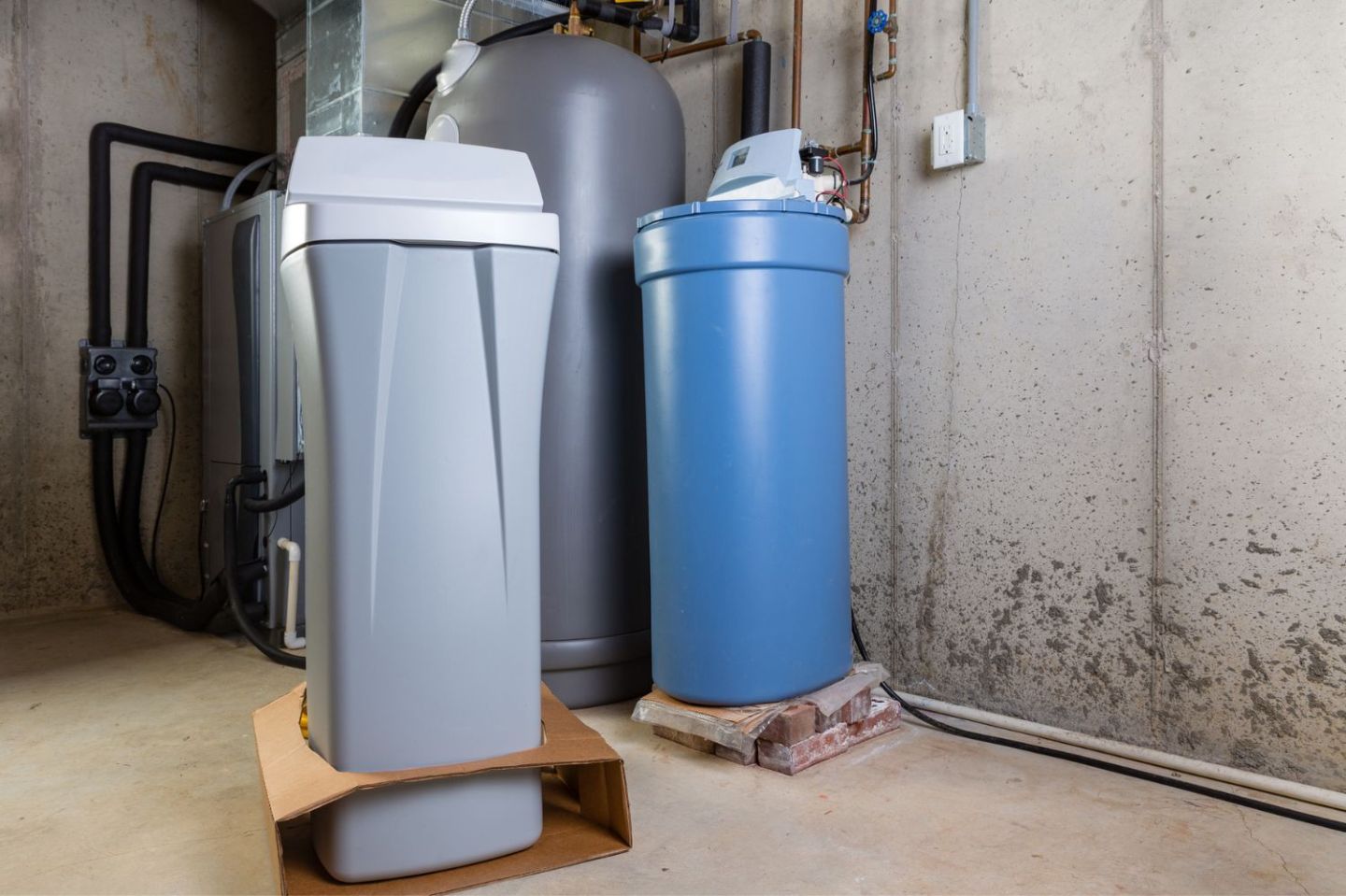 The Best Water Softeners of 2025
Downsides? You’ll need to buy bags of salt and occasionally clean the brine tank. Plus, you’ll add a tiny amount of sodium to your water—about the same as a slice of bread per glass. Not a dealbreaker, but worth noting if you’re watching your salt intake.
Fun fact: The first water softener was invented in 1903 by a New Yorker named Emmett Culligan. He reportedly tested it on his own laundry, and his shirts came out so crisp his wife accused him of buying new ones. Trust the process, people.
2. Salt-free water conditioners: the subtle artist
Don’t let the name fool you—salt-free systems don’t actually soften water. They condition it by crystallizing minerals so they can’t stick to surfaces. Think of it as convincing the calcium to stop being clingy. This is perfect if you’re on a low-sodium diet or want a low-maintenance, eco-friendly option.
They’re also great for city dwellers with mildly hard water (under 7 gpg). No salt bags, no wastewater, and no electricity. But they won’t remove existing scale—so if your pipes are already crusty, you might need a cleaner first. It’s like choosing a gentle musician over a rock concert.
 Water Softener: The Key to Solving Hard Water Problems in Your Home
Cultural reference: Remember that scene in Clueless where Cher says, “I don’t want to go, I’m too pretty”? Salt-free conditioners are the water version—effortlessly pretty, but not trying too hard.
3. Dual-tank systems: the overachiever with backup
These are for the big-water households—think five people, two dogs, and a hot tub that’s always full. Dual-tank softeners have two resin tanks: one softens while the other regenerates. No downtime, no hard-water surprise at 6 AM. It’s like having a sous-chef who preps while you cook.
They’re pricier and larger, but if you hate waiting for anything—including soft water—this is your jam. Bonus: they often come with smart controllers that track usage and salt levels. Your water softener is smarter than your fridge. Don’t let that intimidate you.
 Top 5 Best Water Softeners in India for Hard Water - V Aqua
Practical tips from the trenches
Test your water first—don’t guess. Grab a $10 test kit from your local hardware store or send a sample to a lab. Results will tell you your exact grain-per-gallon (gpg) level. For reference: 1-3 gpg is soft, 7+ is hard, and above 15 is your pipes crying for help.
Size matters. A unit too small will regenerate constantly, wasting water and salt. Too large, and you’ll have stale resin. Use the formula: number of people in your home x 80 gallons per day x water hardness in gpg. That’s your weekly grain capacity—aim for a system that covers it with room to spare.
Don’t forget the whole-home factor. Softeners treat all your water—shower, laundry, garden hose, and ice maker. If you only want kitchen water, consider a small under-sink unit. But honestly? Your hair and clothes will thank you for the full treatment.
Small things that make a big difference
Install a pre-filter if your water has sediment or chlorine taste. It’s like giving your softener a clean palate to work with. Also, set a reminder to check your salt level monthly—most systems have a low-salt alarm, but we don’t trust technology that much, do we?
 Water Softener for Bathroom – A Complete Guide for Hard Water Problems
Fun fact: Soft water can make your dishwasher use 30% less detergent. You’ll save money and get sparkly plates. It’s the little victories that make adulthood bearable. And if you still see spots, it’s likely not your softener—it’s your rinse aid. Add some.
Finally, remember that soft water tastes a bit different—some people say “slick” or “slippery.” This is normal. Your taste buds are just confused because they’re not battling minerals. Give it a week, and you’ll never go back.
Reflection: the quiet revolution
Choosing a water softener isn’t just about pipes and efficiency. It’s about the moments—pulling a warm towel from the shower that feels like cashmere, pouring a glass of water that tastes clean, not metallic. It’s the small luxury of not thinking about your water.
In a world buzzing with constant updates and stress, the best water softener for hard water issues offers something rare: silent, consistent relief. It doesn’t ask for applause. It just works, cup after cup, shower after shower. Maybe that’s the real lesson—solving a nagging problem lets you forget it ever existed. And that, my friend, is the softest victory of all.
