Best Way To Get Rid Of Iron In Well Water

So, you’ve moved into a charming countryside home, only to discover your tap water looks like it was brewed by a rusty robot. Your whites have turned a sickly orange, and your...

So, you’ve moved into a charming countryside home, only to discover your tap water looks like it was brewed by a rusty robot. Your whites have turned a sickly orange, and your toilet bowl looks like a crime scene from a medieval battle. Congratulations, you’ve got iron in your well water—nature’s way of reminding you that dirt is, technically, a seasoning.
Don’t panic. You’re not alone; roughly one in ten American households on well water deals with this metallic menace. The good news? You don’t have to drink liquid pennies for the rest of your life. The best way to get rid of iron is like fixing a bad relationship: understand the problem first, then deploy the right solution—or a very expensive exorcism.
The Real Villain: Not Just Iron, But the Type of Iron
Before you buy a water filter the size of a small car, you need to know what kind of iron jerk you’re dealing with. There are three main types: ferrous iron (clear water that turns rusty after sitting), ferric iron (that red sludge you see immediately), and iron bacteria (a slimy, smelly biofilm that looks like a science experiment gone wrong).
Must Read
Think of ferrous iron as the ninja—invisible until provoked. Ferric iron is the angry bulldozer, already wrecking your laundry. And iron bacteria? That’s the drunk uncle who shows up uninvited, leaves a smell, and refuses to leave. Testing your well water is ridiculously easy (home test kits are $20). Skip this step, and you’ll be throwing money at the wrong machine.
Option 1: The Boring But Brilliant Water Softener
If your iron level is under 5 parts per million, a standard water softener is your best friend. It swaps iron for sodium using a process called ion exchange—basically, a tiny mineral prison break. The softener flushes out the iron during its regeneration cycle, and your water becomes as clear as a mountain stream. And your soap will finally lather like it’s legit.
 Diy Iron Removal From Well Water at Helen Terpstra blog
But here’s the kicker: don’t cheap out on the salt. Using cheap salt can actually gum up the system. Imagine paying a plumber to unclog a machine you broke with bargain-bin pellets. Also, softeners don’t work on iron bacteria—they just give the bacteria a cleaner place to party.
Option 2: The Oxidizing Filter—AKA the “Rust-Buster 3000”
When iron levels hit 5 to 10 parts per million, it’s time for an oxidizing filter (often using media like Birm or Greensand). This machine forces the iron to “rust” on purpose, then catches the particles in a filter bed. It’s like trapping a villain by making him slip on a banana peel you planted. Surprisingly effective, and it doesn’t require salt.
One catch: these filters need a certain pH level to work (usually above 6.8). If your water is too acidic, your filter is just an overpriced paperweight. Test your pH first, or you’ll end up with a machine that sighs dramatically every time you turn on the tap. Also, you’ll need to backwash it—think of it as the filter’s angry Tuesday morning routine.
 What Takes Iron Out Of Water at Richard Jett blog
Option 3: The Ozone Machine—For the Show-Offs
Got iron levels over 10 ppm, or a nasty case of iron bacteria? Welcome to the big leagues. An ozone injection system blasts your water with ozone gas (O₃), which is basically oxygen on steroids. It oxidizes iron so fast, the iron doesn’t know what hit it. Then a filter catches the oxidized particles. Surprising fact: ozone is the same stuff that makes the air smell clean after a lightning storm. So you’re basically hiring a thundercloud to clean your water.
Downside? It’s expensive (think $1,500 to $3,000), requires electricity, and you need a professional to install it. But if you want water that’s essentially crispier than a fresh dollar bill, this is your ticket. Just don’t breathe the ozone directly—it’s great for water, but your lungs will judge you.
The Nuclear Option: Reverse Osmosis
If you want water so pure it makes bottled water jealous, install a reverse osmosis (RO) system under your kitchen sink. It forces water through a membrane with holes so tiny, even iron particles cry and give up. RO removes almost everything: iron, lead, salt, and your will to ever drink tap water again without a filter. Because once you taste RO water, everything else tastes like a swimming pool.
 How to Remove Iron from Well Water - YouTube
But RO systems are slow (they produce about a gallon per hour) and waste water (about 4 gallons for every 1 you drink). It’s like having a pet turtle that is very thirsty. Perfect for drinking water; terrible if you wanted to fill a kiddie pool.
The Forbidden Option: Bleach (Don’t Do It, Seriously)
Some old-timers will tell you to pour bleach down your well to kill iron bacteria. This works for about 10 minutes, then the bacteria come back with revenge in their hearts and even more mucus in your pipes. Plus, bleach creates byproducts that can actually make your water more toxic. It’s like using a flamethrower to kill a spider: effective, but you’ll also burn down your house.
The One Weird Trick: Aeration
If you have low iron and want to feel like a wizard, try aeration. This system splashes air into your water tank, letting the iron rust naturally and sink to the bottom. It’s low-tech, low-maintenance, and uses no chemicals. The downside? It requires a tall tank that looks like a rocket ship in your basement. But hey, your water will taste like fresh mountain air, which is a good thing—until you realize the tank takes up half your laundry room.
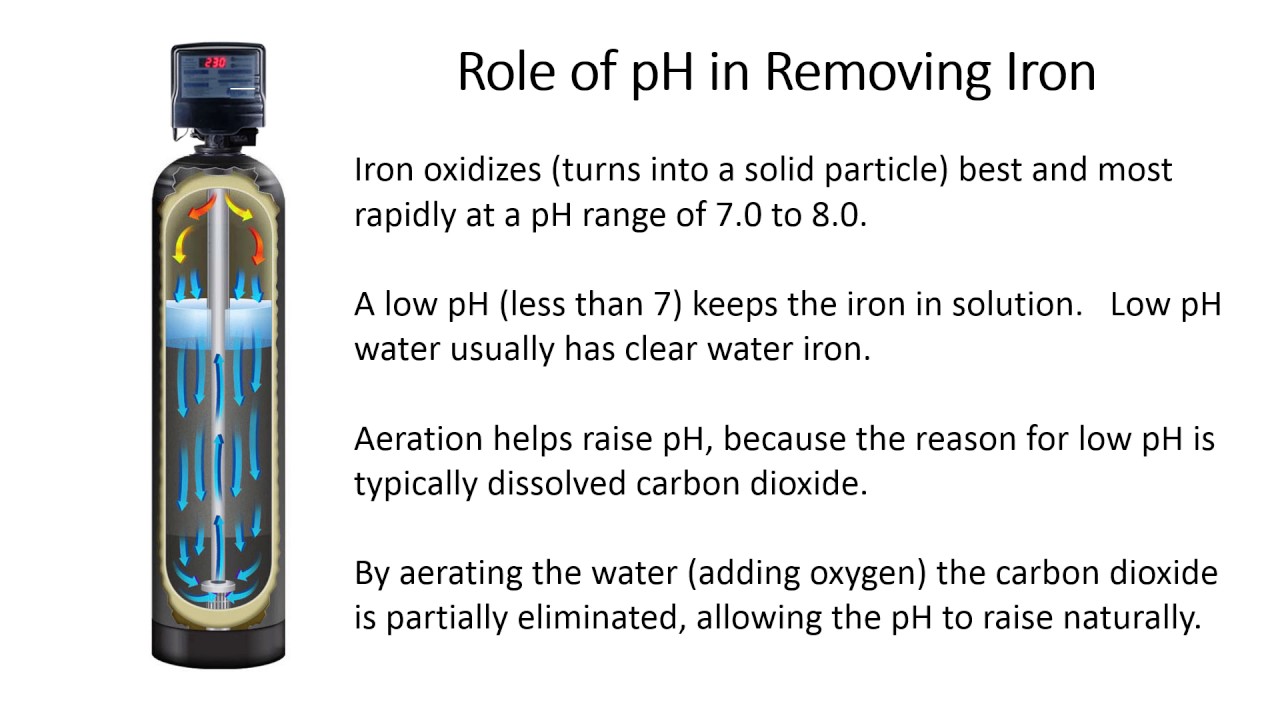 Removing Iron From Well Water Systems at Edward Oneal blog
What About That Orange Toilet Bowl?
You can clean it with citric acid (yes, the stuff in lemons) or a CLR spray. But if you don’t address the iron source, you’ll just be scrubbing forever. It’s like putting makeup on a zombie—pointless and slightly disturbing. Fix the water, and your toilet will slowly return to its natural, porcelain-colored self.
The Final Verdict
The best way to get rid of iron in well water is to test first, then match the method to the madness. Low iron? Get a water softener. Medium iron? Oxidizing filter. High iron or bacteria? Ozone or chlorination (with a carbon filter). And if you’re rich and lazy? RO for drinking, and a whole-house system for everything else.
Remember: iron isn’t dangerous—it’s just annoying. Your ancestors drank rusty water and survived to produce you. But you deserve water that doesn’t taste like a vintage 1972 penny. So go forth, test your well, and buy a filter. Your white socks will thank you—and they’re the only ones who truly know your pain.
