Best Reverse Osmosis System For Under Sink

Let’s be honest for a second. You probably bought that fancy fridge pitcher three years ago, convinced it would solve all your water woes. Now you’re glaring at it, wondering...

Let’s be honest for a second. You probably bought that fancy fridge pitcher three years ago, convinced it would solve all your water woes. Now you’re glaring at it, wondering why it takes a full ten minutes to fill one glass, and the filter replacement costs more than a fancy coffee. I’ve been there. It’s time we talk about the real MVP of kitchen upgrades: the best reverse osmosis system for under sink.
Think of your tap water as that friend who shows up to a party with great intentions but always brings a little baggage. Chlorine, lead, weird minerals—it’s not their fault, but you can do better. Reverse osmosis (RO) is like hiring a bouncer for your water. It doesn’t let anything sketchy through. And unlike that ancient pitcher, this thing lives quietly under your sink, doing its job while you binge-watch your favorite show.
Why Your Sink Deserves a Tiny Water Factory
I remember the first time I tasted water from a good under-sink RO system. It felt like I’d been drinking tap water my whole life with a dirty sock in the glass and nobody told me. Now, every sip is crisp, clean, and embarrassingly better than any bottled water I’ve ever paid for.
Must Read
You might think, “But isn’t this thing huge and complicated?” Nope. Modern systems are about the size of a small cat, and they don’t knock anything over. They tuck away in your cabinet, using a little faucet on your counter that looks fancy enough for a Michelin-star kitchen. You’ll feel like a water sommelier without the pretentious attitude.
What Makes an Under-Sink RO System the “Best” for You?
Here’s the deal: not all RO systems are created equal. Some are divas that waste water like they’re on a reality show. Others are silent, efficient workhorses that just get the job done. The best one for you depends on how much space you have, how much water you chug, and whether you want to feel like a genius plumber or just a normal person.
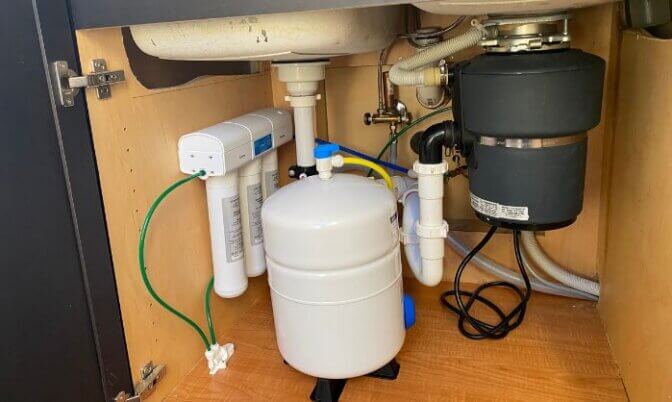 Why An Under Sink Reverse Osmosis System Is the Best
I once bought a cheap system that sounded like a zombie gargling every time I turned on the faucet. My dog hid under the bed for a week. Learn from my mistakes. Look for a system with a high-rejection membrane (that’s the fancy part that kicks out the bad stuff) and a low wastewater ratio. You want to save the planet, not flood your septic tank.
The Setup is Easier Than Assembling IKEA Furniture
Seriously, if you can change a lightbulb and avoid cursing at a manual, you can install most of these systems in under an hour. They come with color-coded tubes that click together like a toddler’s building blocks. It’s almost fun. The hardest part is deciding where to drill a hole for that sleek new faucet, but you can even tape it to your existing sprayer hole if you’re feeling lazy.
After you install it, you’ll feel an insane surge of pride. You’ll invite people over just to show them the water. “Try it, it’s from my system,” you’ll say, like you just invented hydration. They’ll nod politely, take a sip, and then their eyes will go wide. “Whoa, that’s actually amazing.” You’ll smile, because you know the secret.
:max_bytes(150000):strip_icc()/best-reverse-osmosis-systems-4586893-jay-wilde-b88c627b82da4a93827ca422b1ad9b8e.jpg) Our Top Reverse Osmosis System Picks You'll Want to Grab
Our Top Reverse Osmosis System Picks You'll Want to Grab
Which One Should You Buy? (The Easy Answer)
I’ve tested a few, and the crowd favorite right now is the Waterdrop G3 P800. It’s the one your cool neighbor has. It filters out 99.9% of contaminants, including PFAS (those scary “forever chemicals” you’ve heard about on the news). Plus, it has a little display that shows you exactly how good your water is, so you can flex on your phone’s weather app.
If you’re on a budget, the APEC RO-90 is a legend. It’s been around forever, like that reliable old truck your grandpa drove. It doesn’t have a fancy screen, but it never breaks down and makes water that tastes like it fell from a mountain. You’ll forget it’s even there, until you try to drink normal tap water at a friend’s house and make a horrified face.
 Under Sink Ro Connection at Mark Cox blog
A Little Reality Check (But a Good One)
Don’t expect perfect water on day one. These systems need to “flush” their membranes for a few hours after setup. That first glass might taste a bit like new plastic. But after that—just drink and conquer. Also, you’ll need to change the filters every six to twelve months. It’s not a big deal. It takes less time than changing your car’s oil, and you don’t have to get dirty.
One last thing: don’t listen to the haters who say RO water is “too pure” or “strips your minerals.” Sure, it removes some stuff, but you get plenty of minerals from food. Unless you’re a hermit who only drinks water, you’ll be fine. And honestly, would you rather have trace minerals or a side of chlorine and lead? I thought so.
So go ahead. Pick out an under-sink RO system. You’ll wonder why you didn’t do it sooner. Your tap water will taste like a hug from a glacier, and you’ll never buy another plastic jug again. Your wallet, your taste buds, and probably your dog will thank you.

