What Is The Best Water To Use In A Humidifier

Let’s be honest: the first time you unboxed a humidifier, you probably just filled it with whatever came out of the tap. I did. It felt fine—until the white dust appeared, set...

Let’s be honest: the first time you unboxed a humidifier, you probably just filled it with whatever came out of the tap. I did. It felt fine—until the white dust appeared, settling on my nightstand like a tiny, unwelcome snowstorm. Choosing the right water isn’t just about appliance maintenance; it’s about safeguarding the air you breathe every single night. Welcome to the surprisingly deep world of H₂O for your humidifier.
The Tap Water Trap (and Why It’s So Tempting)
Tap water is convenient, sure, but it’s a secret agent for mineral buildup. Those dissolved calcium and magnesium salts are what create that powdery white dust on your furniture and, worse, in your lungs. If you have hard water, your humidifier is essentially a mini desalination plant, leaving the solids behind.
Beyond the dust, tap water can breed bacteria faster than you think. The minerals provide a cozy home for microbes to multiply in that warm, dark tank. You don’t want that science experiment misting into your bedroom during your beauty sleep.
Must Read
Distilled Water: The Gold Standard (and the Slightly Annoying One)
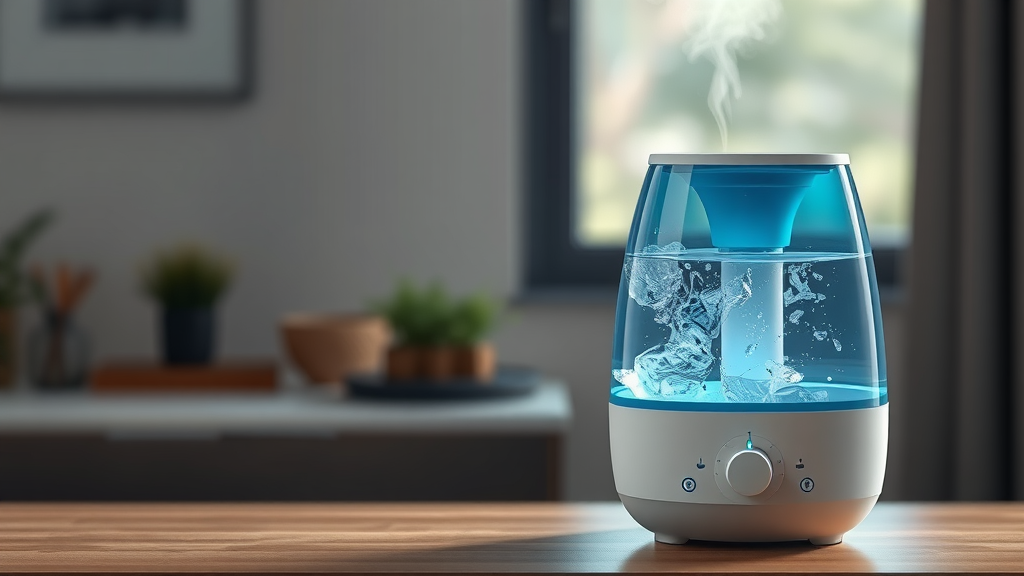
Here it is, the champion: distilled water. It’s been boiled, steamed, and stripped of nearly all minerals and impurities. Using it means zero white dust, minimal scale, and a much cleaner machine. Think of it as the clean girl aesthetic for your humidifier.
The catch? It costs money and requires a trip to the store (or a countertop distiller that hums all day). For a small ultrasonic humidifier, the price of distilled water can add up faster than your Lululemon habit. But for those with respiratory issues, the trade-off is non-negotiable.
Fun fact: Distilled water is what most hospitals use for oxygen therapy. If it’s good enough for a NICU, it’s probably good enough for your cactus-collecting corner.
 What Type Of Water To Use In Humidifier - 5starchoices.com
Purified vs. Filtered: The Middle Ground
Don’t confuse purified water with filtered water. Purified water (often reverse osmosis or deionized) removes over 99% of contaminants—close to distilled, but less energy-intensive. Filtered water (like from a Brita) only removes taste and chlorine, leaving most minerals intact.
So, is filtered water better than tap? Marginally. A carbon filter won’t stop the white dust. You’d need a demineralization filter or a pitcher that specifically targets calcium and magnesium. If you’re lazy (same), just buy distilled.
The Cool Mist vs. Warm Mist Twist
Your humidifier type changes the water rules. Ultrasonic (cool mist) models are the most sensitive—they shake water into tiny droplets and send minerals flying. Warm mist evaporators boil water, which kills bacteria but still vaporizes minerals into the air.
 Water Use In Humidifier at Abigail Lester blog
Here’s the insider secret: Use distilled in ultrasonic, but tap is less harmful in warm mist because the boiling process reduces bacterial growth. However, scale will still clog the heating element over time. It’s a lesser evil, not a recommendation.
DIY Solutions (That Actually Work)
If you’re determined to use tap water, buy a demineralization cartridge for your humidifier. These small resin filters cling to minerals like a koala to a tree. They’re cheap, last about a month, and save your furniture from dust.
Alternatively, let tap water sit out for 24 hours. This lets some chlorine evaporate, but not the minerals. It’s a myth that “aged” water is softer. For a quick fix, boil tap water, let it cool, and then use it—you’ll kill microbes, but the minerals remain.
Cultural Water Wars: What Do Others Use?
In Japan, where ultra-humid summers meet silent nights, people swear by “pure water” from vending machines. In dry Scandinavian winters, some even collect rainwater (boiled first) for their humidifiers. Meanwhile, in California, the influencers are using alkaline water—which is pointless for humidifiers but great for their Instagram.
 Do You Have to Use Distilled Water in a Humidifier? Really?
The ultimate global hack? Vinegar. Regardless of water choice, a monthly vinegar rinse (one part vinegar to three parts water) removes scale like a charm. Your humidifier will thank you with a whisper, not a wheeze.
The One Thing You Should Never Do
Do not use essential oils directly in the water unless your humidifier has a designated tray. The oils can degrade plastic and gunk up the internal workings. You’ll end up with a broken machine and a room that smells like a discount spa.
Also, never use “mineral water” or sparkling water. Bubbles sound fun, but the salts and carbonation will wreak havoc. Stick with still, plain, and boring—boring is beautiful in humidity maintenance.
:strip_icc()/bhg-detail-levoit-oasismis-450s-smart-humidifier-hwortock-001-1-d19e440a26ee4161be84c8765580dd39.jpg) The 12 Best Humidifiers, Tested by BHG
The 12 Best Humidifiers, Tested by BHG
Practical Tips for the Lazy (But Smart) Person
If you can’t commit to distilled, buy a gallon jug of it for $1.50 and label it “humidor.” Use only that for your bedroom machine. For the living room unit, try filtered tap with a demineralization cartridge—it’s a solid middle path.
Test your water hardness with a cheap strip kit from Amazon. If you’re over 150 ppm (hard), distilled is your best friend. Under 50 ppm? Filtered tap will probably work fine. Knowledge is moisture.
A Short Reflection on Breathing Easy
I used to think water was just water—colorless, tasteless, interchangeable. But after a winter of coughing from dusty mist, I learned that small choices shape our environment. The water you pour into a humidifier is a quiet act of care, a little ritual that says, “Tonight, I will breathe easier.”
Whether you splurge on distilled, hack your tap with a cartridge, or just clean the tank more often, know that you’re doing more than hydrating a room. You’re creating a better backdrop for sleep, focus, and life. And that’s worth a slightly longer grocery list.
