Best Water Filtration System For Coffee Shop

So, you’re opening a coffee shop? First, congratulations! You’re now officially a professional caffeine dealer. But before you start dreaming of latte art and loyal customers,...
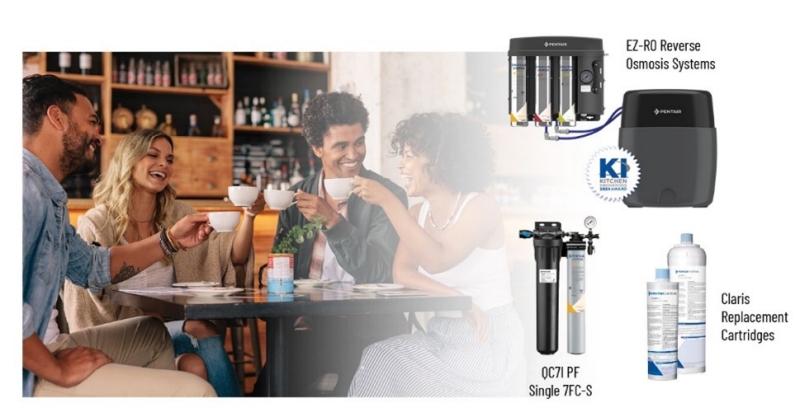
So, you’re opening a coffee shop? First, congratulations! You’re now officially a professional caffeine dealer.
But before you start dreaming of latte art and loyal customers, let’s talk about the unsung hero of your operation: water. Yes, that clear, boring stuff that’s actually the star of every single cup you serve.
Bad water makes good beans taste like a burnt tire. I’m serious—it’s coffee chemistry, not drama.
Must Read
Why Your Coffee Shop Needs a Water Filtration System
Picture this: you buy the fanciest, single-origin, ethically-sourced Ethiopian Yirgacheffe. You roast it perfectly. You grind it with love.
Then you brew it with tap water that tastes like a swimming pool. The result? Sad, sad coffee.
Mineral content, chlorine, and pH levels completely control how flavors extract. It’s not just about taste—it also protects your $10,000 espresso machine from turning into a chalky, calcium-filled tombstone.
The Big Three Types of Systems (No, You Can’t Fake It with a Brita)
Let me save you from the heartbreak of using a home-kitchen pitcher. For a coffee shop, we’re playing in the big leagues now.
Your three main options are carbon filtration, reverse osmosis (RO), and water softeners. And no, they’re not interchangeable—each has a specific job.
Carbon Filtration is your basic, friendly bouncer. It kicks out chlorine, bad odors, and some sediment, but leaves the minerals mostly alone.
 12 Best Water Filtration Systems for Coffee in 2026 - Cappuccino Oracle
This is great if your local tap water is already decent. But if your water is hard as rocks, carbon alone won’t save your machine from scaling.
Reverse Osmosis (RO) is the overachiever with a PhD in purity. It removes almost everything—minerals, bacteria, you name it.
But here’s the kicker: coffee needs some minerals to taste good. So RO systems often get paired with a remineralization stage, which adds back just the right amounts of calcium and magnesium. (Fancy, right?)
Water Softeners are the specialists. They swap out calcium and magnesium for sodium, which stops scale from forming.
But soft water alone can make your coffee taste flat and salty. Please don’t drink solely softened water—your coffee will thank you.
The Perfect System for a Coffee Shop (The Holy Grail)
After much research and a few sad, watery experiments, the gold standard is a 2-stage system: a water softener or a carbon filter followed by a reverse osmosis unit with remineralization.
 Best Coffee Shop Water Filtration at Ellie Kemp blog
Specifically, brands like Everpure, Culligan, or BWT make commercial systems that coffee pros actually trust. They’re built to handle high volume and keep your espresso machine’s insides squeaky clean.
You want a system that outputs water with a total dissolved solids (TDS) level between 100—150 ppm. Too low? Bland coffee. Too high? Bitter, scale-y disaster.
What About the Cost? (It Hurts, But So Does Bad Coffee)
A decent commercial system will set you back anywhere from $500 to $2,500 upfront. Yeah, ouch.
But consider this: a single espresso machine repair from scale damage can cost you double that. Plus, customers who taste amazing water will keep coming back for that perfect sip.
And pro tip: factor in filter replacement costs (every 3–6 months). It’s like buying new tires for a Ferrari—annoying, but non-negotiable.
The Lazy Person’s Shortcut (If You’re Overwhelmed)
If you just want a recommendation you can copy-paste to Google, here goes: Everpure 7CB11-S or BWT BestWater Plus.
 Water Filter For Coffee Shop , 5 Uses for Commercial Water Filtration
These are the “no-brainer” picks for small-to-medium shops. They balance flavor, scale protection, and price like a seasoned barista balances a latte.
Just don’t forget to buy a water test kit first. You wouldn’t buy shoes without knowing your size, right? (Unless you enjoy blisters and disappointment.)
Installation: A Small Horror Story (With a Happy Ending)
You can install some systems yourself if you’re handy with a wrench and don’t mind a minor flood. (I speak from experience—ask me about my “indoor fountain” phase.)
But honestly? Hire a professional. A plumber or a company that specializes in commercial coffee equipment is worth every penny.
They’ll calibrate the water pressure, connect it to your machine, and make sure you don’t accidentally drink your fire-sprinkler supply. (True story: I’ve seen it. It was not delicious.)
The Smeller’s Secret: Maintenance Is Your New Hobby
You can’t just install the system and forget it. That’s like adopting a dog and never walking it. (Bad idea, sad dog, worse coffee.)
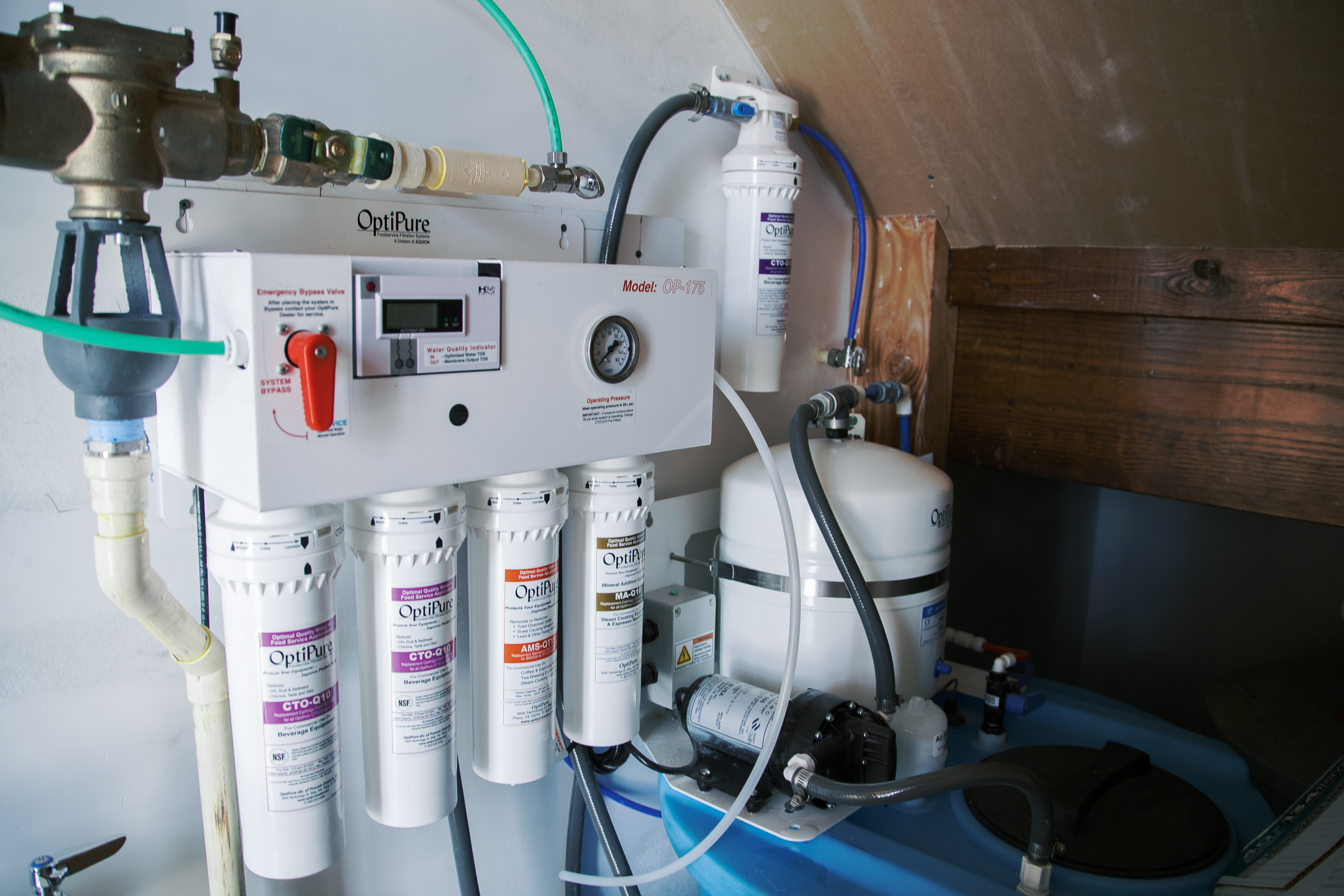 Water Filtration System For Coffee Machine at Carolyn Mendenhall blog
Mark your calendar to change filters every 3–6 months, depending on your water usage. Ignore the reminder? Your water will slowly turn into muddy, low-pressure sludge.
Also, buy a TDS meter (they’re like $15 on Amazon). Test your water weekly. It’s a tiny effort that saves you from pouring “meh” coffee for months.
The Uplifting Conclusion (Go Make Magic)
Look, choosing a water filter isn’t the sexiest part of opening a coffee shop. It’s not hipster latte art or a cozy couch you found on Facebook Marketplace.
But it is the quiet, steady foundation that makes every single cup you serve taste like a hug from a friend. The best part? Your customers won’t know why your coffee is so good—they’ll just keep coming back.
So go ahead: invest in that crisp, clean, perfectly-balanced water. Your espresso machine will purr with gratitude, your beans will sing, and your bank account will smile.
And one day, when someone says, “This is the best coffee I’ve ever had,” you can wink and say, “It’s the water, my friend.” Then sip your own creation, feeling like a wizard who wields a wrench. ☕✨
