Best Water Filtration System For Whole House

So, you’ve finally decided to stop drinking what looks like diluted iced tea every time you turn on the tap. Good for you. Your whole house water filtration quest begins now,...

So, you’ve finally decided to stop drinking what looks like diluted iced tea every time you turn on the tap. Good for you. Your whole house water filtration quest begins now, and trust me, it’s less a boring chore and more a weirdly satisfying game of “Which machine hates my pipes the least?”
Let’s get one thing straight: your tap water isn’t just H2O. It’s a soup of surprises—think chlorine, lead, and the ghost of whatever the neighbor flushed down last Tuesday. A whole house system tackles this nightmare at the source, not just at the kitchen sink. It’s like putting a bouncer at the front door of your plumbing instead of just one guy by the drinking fountain.
The Usual Suspects: What Are You Even Filtering?
Here’s a fun fact that will ruin your next glass of tap water: a 2019 study found microplastics in 93% of bottled water brands. But your house water? It’s got sediment, rust, and sometimes a mineral cocktail that could double as a science experiment. If your shower leaves your skin feeling like a lizard’s handbag, that’s hard water. If your coffee tastes like a swimming pool, that’s chlorine.
Must Read
Your best bet is a multi-stage system. Think of it like a Subway sandwich of filtration—you want layers, not just one sad piece of bread. A typical hero setup includes a sediment filter (catches the dirt), a carbon filter (takes out the taste and smell), and maybe a UV light (zaps bacteria like a tiny, aquatic laser show).
The Heavyweight Champ: Salt-Based Water Softeners
If your water is harder than a week-old bagel, you need a salt-based softener. These massive tanks swap calcium and magnesium for sodium, which sounds like a bad trade, but actually makes your skin feel like silk and your appliances live longer. The downside? You’ll be lugging 40-pound bags of salt from the grocery store, and your neighbors will think you’re preparing for the apocalypse.
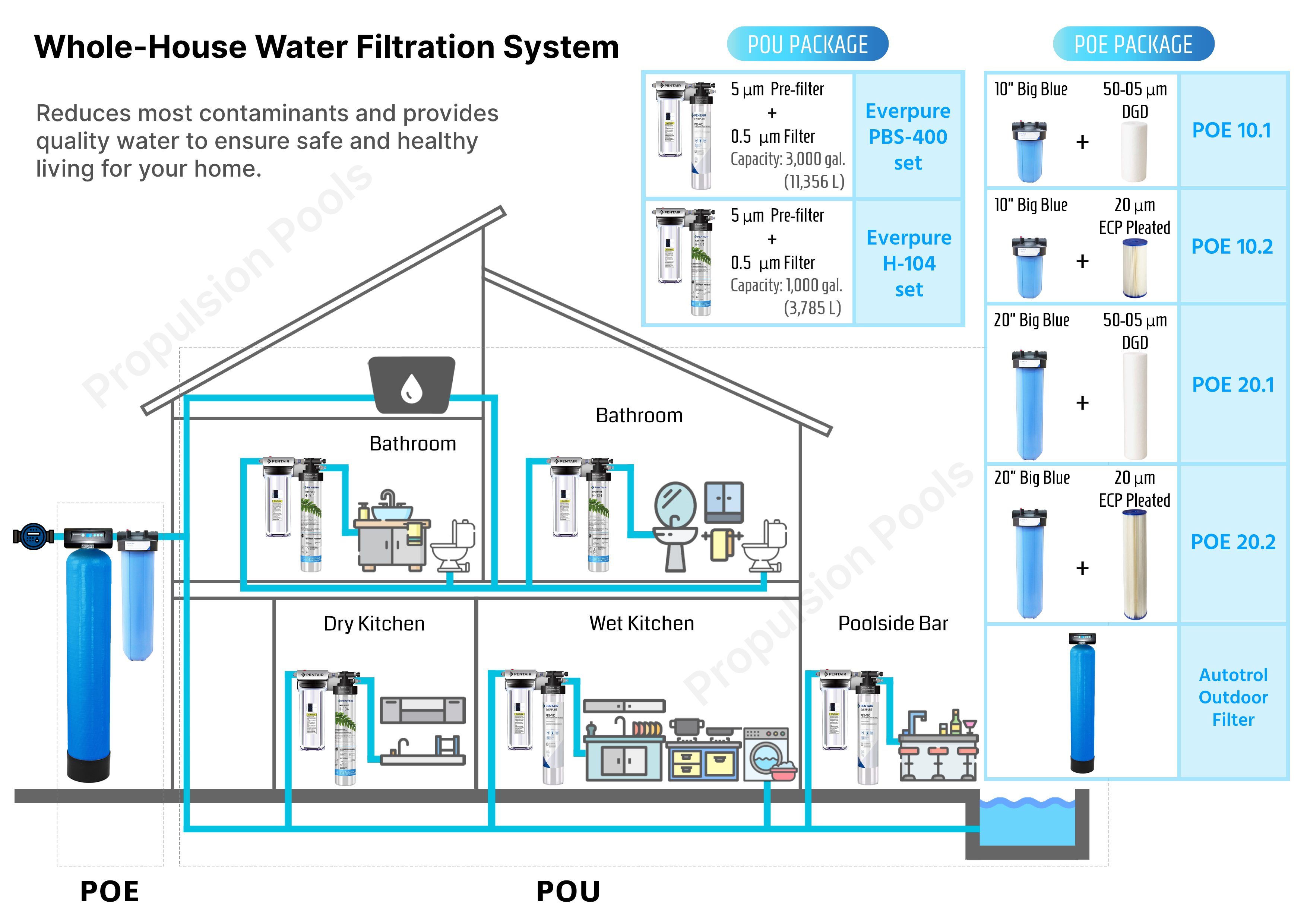 Best Water Filtration System Whole House at Cory Gonzalez blog
But here’s the kicker: softened water tastes weirdly salty to some people. Don’t panic. You can install a bypass that sends unsoftened water to your kitchen tap for drinking. It’s like having a “no swap zone” for your coffee maker.
The Hipster Contender: Salt-Free Conditioners
Maybe you’re a rebel who doesn’t want sodium in your water. Enter the salt-free conditioner. These use a magic crystal (technically, a catalytic media) to transform hardness minerals into harmless little crystals that won’t stick to your pipes. Is it as effective as a softener for hard water? No. But it’s like having a calming monk instead of a frantic bouncer—gentler, quieter, and you don’t have to haul salt.
:max_bytes(150000):strip_icc()/aquasana-whole-house-well-water-filter-system-68651cbaa66a4921b287057afec93edf.jpg) The 8 Best Whole House Water Filters of 2024 to Improve Your Water Quality
The 8 Best Whole House Water Filters of 2024 to Improve Your Water Quality
Surprising fact: these systems don’t actually remove calcium; they just make it behave. It’s like convincing a toddler to stop throwing spaghetti, but they still have the spaghetti. For water under 12 grains per gallon hardness, this is a solid choice. For anything harder, you’re essentially polishing a brick.
The Hero We Deserve: Reverse Osmosis for Whole House?
Now, here’s where the café talk gets spicy. Some companies sell whole-house reverse osmosis (RO) systems. They claim it’s the purest water on Earth. And sure, it is—if you also want to add minerals back in because otherwise, you’re drinking water so clean it starts leaching minerals from your body. Plus, these systems waste 4 gallons of water for every 1 gallon they make. My plumber calls them “water waste olympians.”
Unless you live in a lab or have a rare mineral allergy, stick to a whole-house sediment and carbon combo for the main line, then add a small under-sink RO just for your drinking tap. That way, your toilet gets civilized water, and your coffee gets virgin-snow-melt vibes.
:strip_icc()/bhg-ge-gxwh20t-whole-house-water-filtration-system-lisa-noah-02-bc3eb4183925488e9e72560bfee7c81e.jpeg) The 3 Best Whole House Water Filters, Tested by BHG
The 3 Best Whole House Water Filters, Tested by BHG
Installation Nightmares (Or, “Why Your Plumber Loves You”)
Installing a whole-house filter is not a weekend DIY project unless your weekends involve crying under a sink with a pipe wrench. The main challenge is finding space—these things are bigger than a mini-fridge, and your utility room is probably already stuffed with Christmas decorations and a broken treadmill. You’ll need to cut your main water line, which means you will flood something unless you hire a pro.
Budget tip: a decent whole-house system runs $400 to $1,500, plus $300 to $600 for installation. If anyone quotes you $5,000, they’re selling you a yacht for your pipes. You don’t need a yacht. You need a filter.
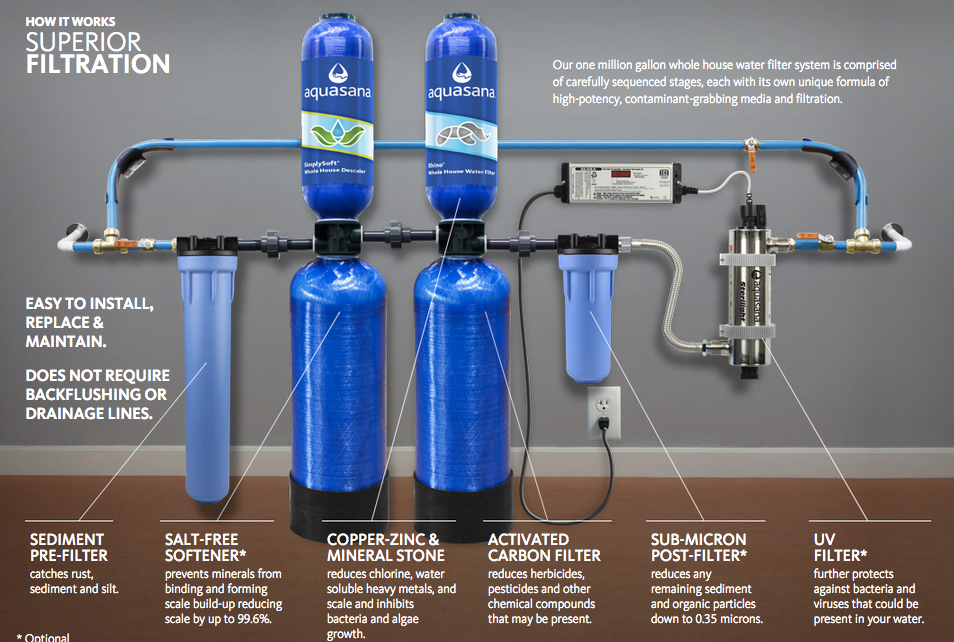 Best Whole House Water Filter System — Guide & Reviews
The Verdict: Pick Your Poison
Okay, here’s my final, caffeinated advice for your kitchen-table decision. If you have hard water (white scale on faucets, dry skin), get a salt-based softener with a carbon filter after it. If your water is city-treated and only tastes like pool juice, a simple whole-house carbon filter like the iSpring WGB22B will do the trick for under $300.
And if you have well water, you’re in a whole different circus. You’ll need a sediment filter, then a carbon filter, then a UV light, and possibly a water test kit that reveals iron, sulfur, and bacteria that sound like rejected Pokémon names. Just buy the test first—know your enemy before you throw money at it.
Remember: the best whole-house filter is the one that actually fits your water, your budget, and the amount of swearing you’re willing to do during installation. Now go forth, hydrate without fear, and may your ice cubes never taste like a chemistry lab again.
