Best Potable Tank Mixer For Chlorine Residuals

Let’s talk about your water tank. Yes, that big, silent, sloshing beast in your basement or backyard. It’s probably the most boring superhero in your house. It keeps your fami...
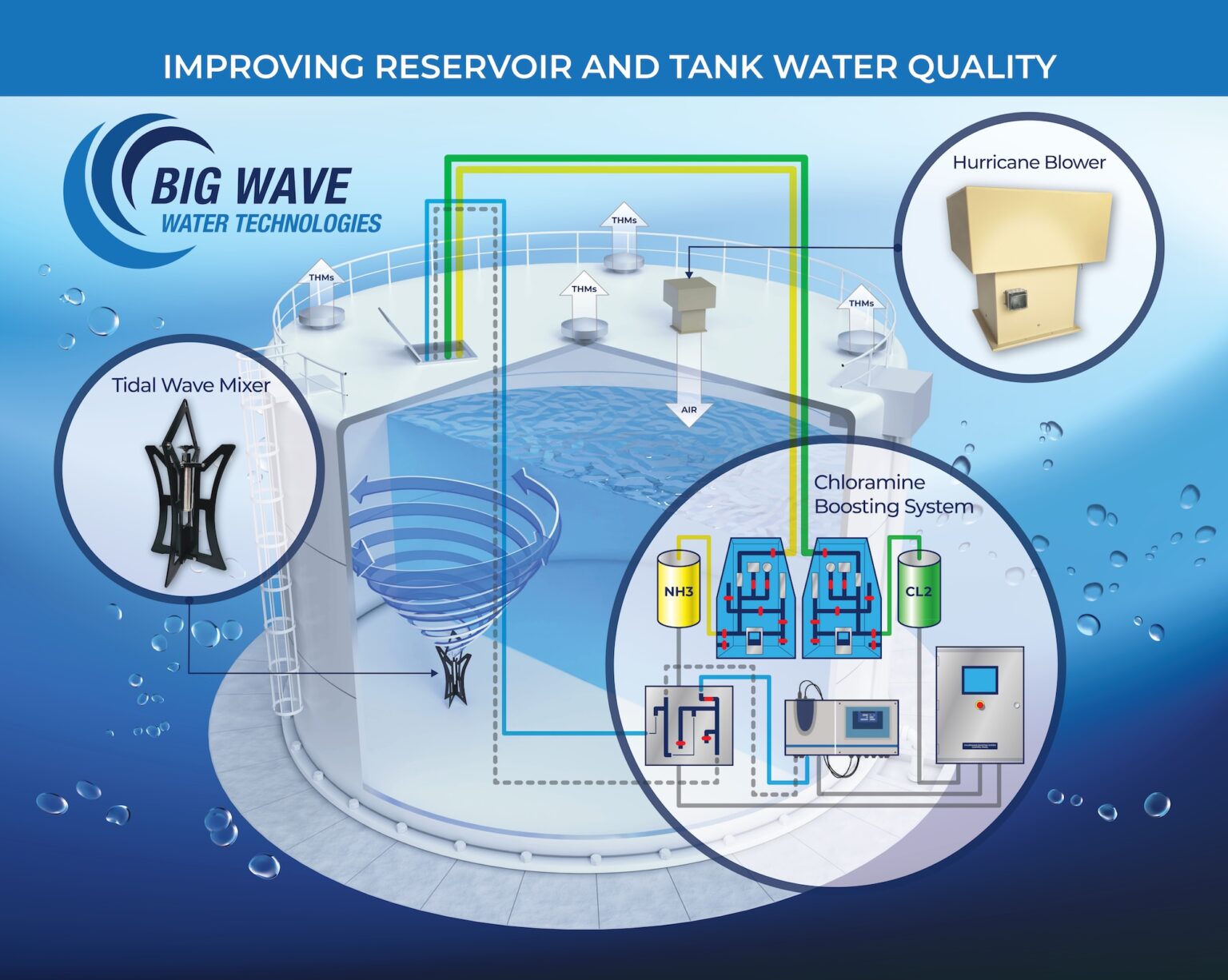
Let’s talk about your water tank. Yes, that big, silent, sloshing beast in your basement or backyard. It’s probably the most boring superhero in your house. It keeps your family hydrated, washes your dishes, and fights off microscopic invaders. But here’s the dirty little secret: that tank has a dead zone.
Dead zones are lazy. Stagnant water sits there, cozy and warm. Chlorine, your brave chemical guardian, decays in those pockets. Without a proper mixer, you get a wild rollercoaster of chlorine residuals. One glass tastes like a swimming pool; the next might be a bacterial fiesta.
The Quirky Case of Chlorine
Chlorine is a drama queen. It wants to be everywhere at once, but it’s also a tiny quitter. If water doesn’t move, chlorine molecules give up and evaporate into thin air. It’s like trying to keep a crowd of toddlers entertained in a single room—if they stop moving, they fall asleep.
Must Read
You need a mixer that throws a constant party. A device that shoves chlorine into every dark corner. It must bully the water until the residual is uniform. Think of it as a really pushy tour guide for your disinfected drinking supply.
Enter the Potable Tank Mixer
Not all mixers are created equal. Some are just glorified fans. They fluff the top layer of water while the bottom stays stagnant. That’s like spraying perfume on a garbage pile—it doesn’t fix the problem. You need a mixer that sucks from the bottom and blasts it to the top.
The best ones use a venturi effect. It’s a fancy word for a vacuum that grabs water from deep down. It’s like a straw for a giant, thirsty whale. This action prevents stratification, which is just a science term for “your tank is a layered cake of germs.”
 Top Mounted Agitator for Chemical Solution Tank - Mixer Agitator and
Here’s a funny fact: Most tanks have a thermal layer. Warm water sits on top like a lazy sunbather. Cold water sinks to the bottom like a grumpy teenager. Your mixer has to break up this party drama.
Why the Chlorine Residual Matters
You might think, “Who cares if my chlorine is uneven?” Well, you do. If your residual drops to zero, bacteria crash your water supply. E. coli loves a stagnant spa. If your residual spikes too high, your water smells like a bleach accident.
A stable residual is the sweet spot. The ideal mixer keeps that number between 0.5 and 2.0 parts per million. It’s the Goldilocks zone of drinking water. Too low, yuck. Too high, double yuck.
 Municipal Water Tank Mixer - Stable Reservoir Chlorine Residual
The Best Mixer? It’s a Weird One
The most effective design is surprisingly simple: a submersible eductor. It looks like a metallic rocket nozzle. No moving parts inside the tank. No giant spinning propellers. It uses the power of your existing pump to create a vacuum.
Here’s the bonkers science part: It creates a jet stream inside your tank. Imagine a tiny, invisible tornado that cycles the entire volume four times per hour. That’s enough to keep chlorine awake and active. It’s like giving your water a coffee enema.
Plumbers used to just drop a pipe in from the top. Lazy. Dumb. If you want a proper mix, you install the eductor near the tank’s bottom. Point it sideways, not straight down. You’re making a water loop, not a water hammer.
Funny Mistakes People Make
People install mixers that are too big. It’s like using a fire hose to fill a sippy cup. The turbulence releases chlorine gas into the air. You end up smelling like a swimming pool janitor. Gentle, consistent flow is the secret.
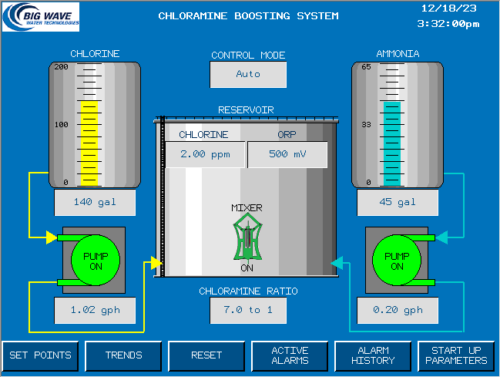 Municipal Water Tank Mixer - Stable Reservoir Chlorine Residual
Another classic blunder: forgetting to clean the intake screen. A clogged mixer is just a paperweight. It sits there, mocking you. Meanwhile, your water tank develops a personality disorder—clear on one side, cloudy on the other.
A Tank Full of Surprises
Did you know that a tank without a mixer grows biofilm? It’s a slimy layer of bacteria that hugs the walls. Imagine a city of germs licking your water. Gross, right? A good mixer scours those walls like a power washer at a car wash.
Even the shape of your tank matters. Cylindrical tanks are easier to mix. Square ones have dead corners where evil drifts. You can buy specialty mixers that arch into those corners like a cat hunting a laser pointer.
 Water Tank Mixer - Consistent Chloramine/Chlorine Residual
The Takeaway: Be a Water Hero
Don’t let your chlorine be a couch potato. Invest in a potable tank mixer that agitates with purpose. Look for stainless steel construction (no rust in your drinking cup, please). Look for low-voltage options if you’re obsessed with safety.
Finally, test your water after installation. Measure the residual at the top, middle, and bottom. If they match within 0.1 ppm, you are a genius. If not, adjust the nozzle angle like you’re fine-tuning a garden sprinkler.
Your tank is a silent kingdom. The mixer is its king. Treat it well, and your water will always taste crisp, clean, and curiously perfect. Now go forth and mix, you magnificent water nerd.
Bonus quirk: Some high-end mixers have a whistle. It’s a tiny audible alarm if the flow stops. You’ll hear a sad humming sound. It’s the mixer’s way of crying for help. Pay attention to your crying mixer.
