Best Reverse Osmosis Water Filter System For Home

So, you’ve decided to buy a reverse osmosis water filter for your home. Congratulations—you’ve officially joined the ranks of people who worry about what’s lurking in their ta...

So, you’ve decided to buy a reverse osmosis water filter for your home. Congratulations—you’ve officially joined the ranks of people who worry about what’s lurking in their tap water. You’re probably imagining pure, mountain-spring goodness, right? Well, get ready for a wild ride through hoses, membranes, and more jargon than a plumbing convention.
What in the Plumbing is Reverse Osmosis?
Imagine you’re a water molecule at a club, and there’s a bouncer who only lets pure, innocent H2O past the velvet rope. That’s reverse osmosis (RO) in a nutshell. It uses pressure to shove water through a super-fine membrane that blocks almost everything else—lead, chlorine, fluoride, and even your ex’s bad vibes.
Fun fact: The same technology desalinates seawater for Navy ships. So yes, your kitchen sink is basically a warship now. Just don’t expect it to fire torpedoes.
Must Read
Why Your Tap Water is Basically a Chemistry Experiment
Let’s be real: municipal water is treated, but it’s still a cocktail of stuff you don’t want to chug. I’m talking about chlorine (which smells like a public pool), lead (hello, vintage pipes), and microplastics (because why not?).
One study found that over 80% of tap water samples contained plastic fibers. That’s like drinking a dissolved Ziploc bag. A good RO system removes up to 99% of these contaminants. Suddenly, that $200 filter looks cheaper than a lifetime of seltzer bottles.
The “Best” System is a Personal Ladder Match
There is no single “best” RO system—it’s a bloody competition of trade-offs. Do you want convenience? Get an under-sink model that hides like a ninja. Speed? Look for a system with a permeate pump that doesn’t take a coffee break every two minutes.
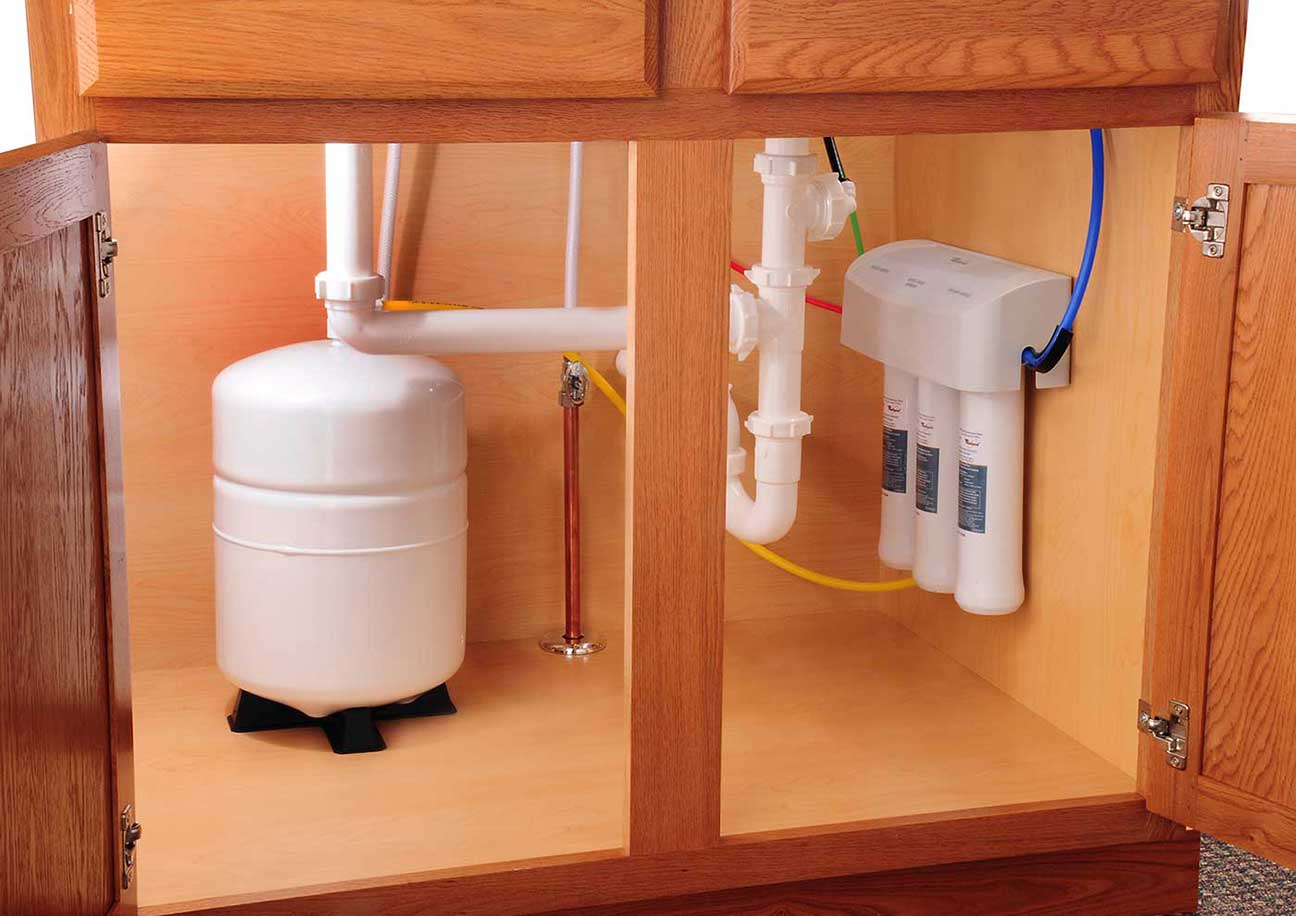 Reverse Osmosis Home Filtration Systems
Or maybe you’re a water storage maniac who needs a three-gallon tank. Just remember: size matters, but so does the space under your sink. I once saw a guy fit an RO tank that looked like a small moon. His wife was not amused.
The Countertop vs. Under-Sink Smackdown
Countertop RO systems are the portable heroes. No drilling, no plumbing—just plug it in and pretend you’re a mad scientist. But they’re slower than a snail on a treadmill, and they hog counter space like a bread machine from the ‘90s.
Under-sink models are the permanent residents. They’re faster, hold more water, and make you feel like a serious homeowner. But installation will require turning off your water, cursing at a wrench, and possibly calling your uncle who “knows pipes.”
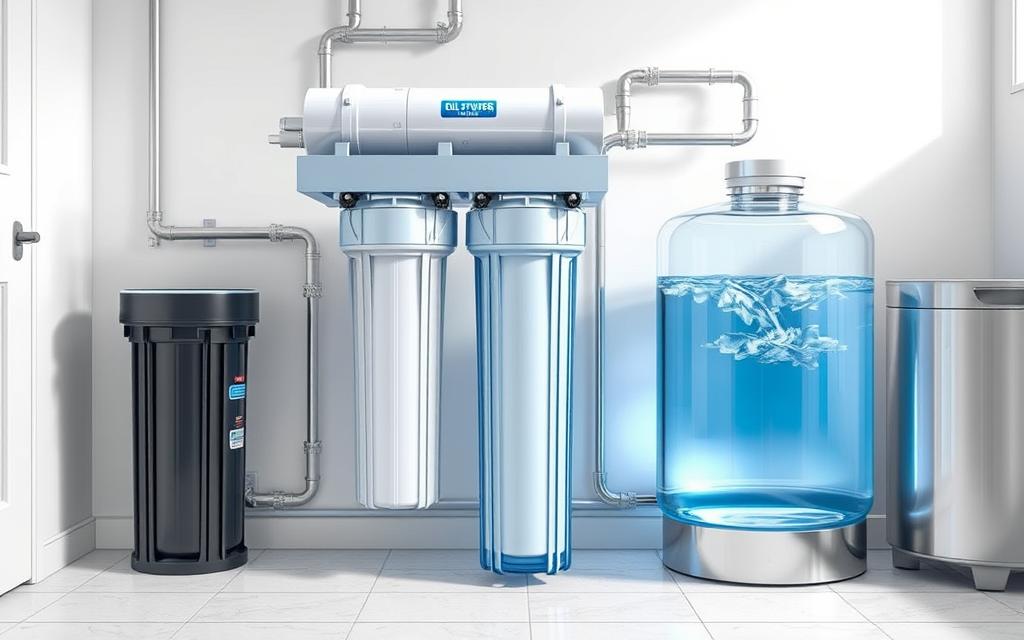 Best Whole House Reverse Osmosis Water Filter Guide
Surprising Facts That Will Blow Your Filter
Fact #1: RO systems waste water—like, a lot. For every gallon of pure water, they might send 3-4 gallons down the drain. That’s the water equivalent of buying a shirt and throwing away three others. But newer models with high-recovery membranes cut waste to 1:1. So get one or embrace your inner eco-villain.
Fact #2: RO water is too pure. It strips out healthy minerals like calcium and magnesium. Some people call it “dead water,” which sounds dramatic but isn’t wrong. You can add a mineral boost filter afterward—because who doesn’t want water that’s both clean and slightly fancy?
Fact #3: The membrane is the star of the show, but it’s delicate. Wash it with the wrong cleaner, and it’ll throw a tantrum. Treat it like a high-maintenance houseplant that lives inside a plastic tube.
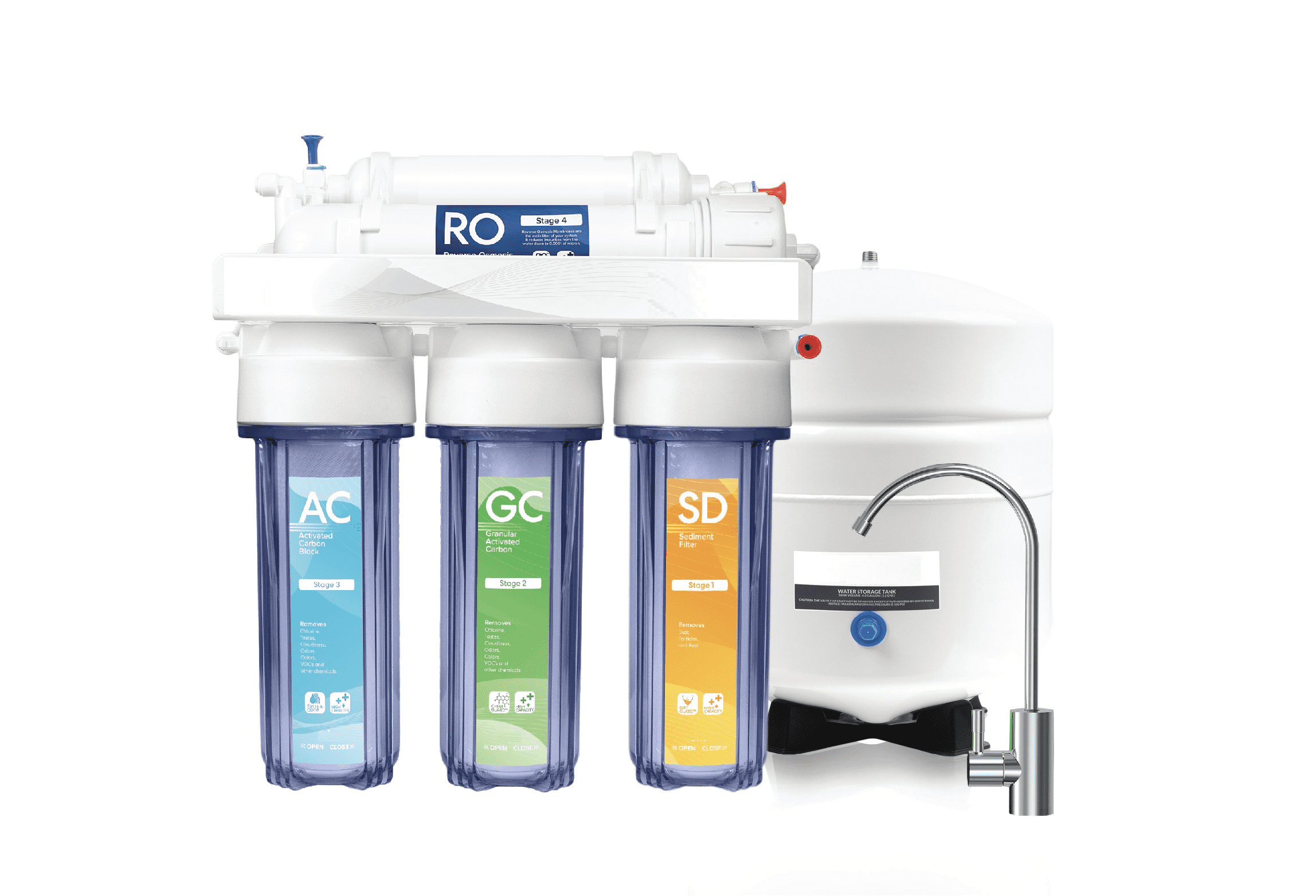 Reverse Osmosis Water Filter
What to Look for (Without Getting a Headache)
First, check the NSF certifications. If it’s not NSF 58 or 53, it’s basically a very expensive lawn ornament. Trust me, I once bought an “eco-filter” that turned out to be a glorified Brita. Never again.
Second, filter lifespan matters. Cheaper systems need new filters every six months, which adds up faster than your avocado toast habit. Spend a bit more for a system with filters that last a year or more. Your wallet will thank you.
Finally, flow rate is the sex appeal of RO. A 50-gallon-per-day (GPD) system is fine for drinking; a 100 GPD system means you can fill a pot for pasta without swearing. Choose wisely.
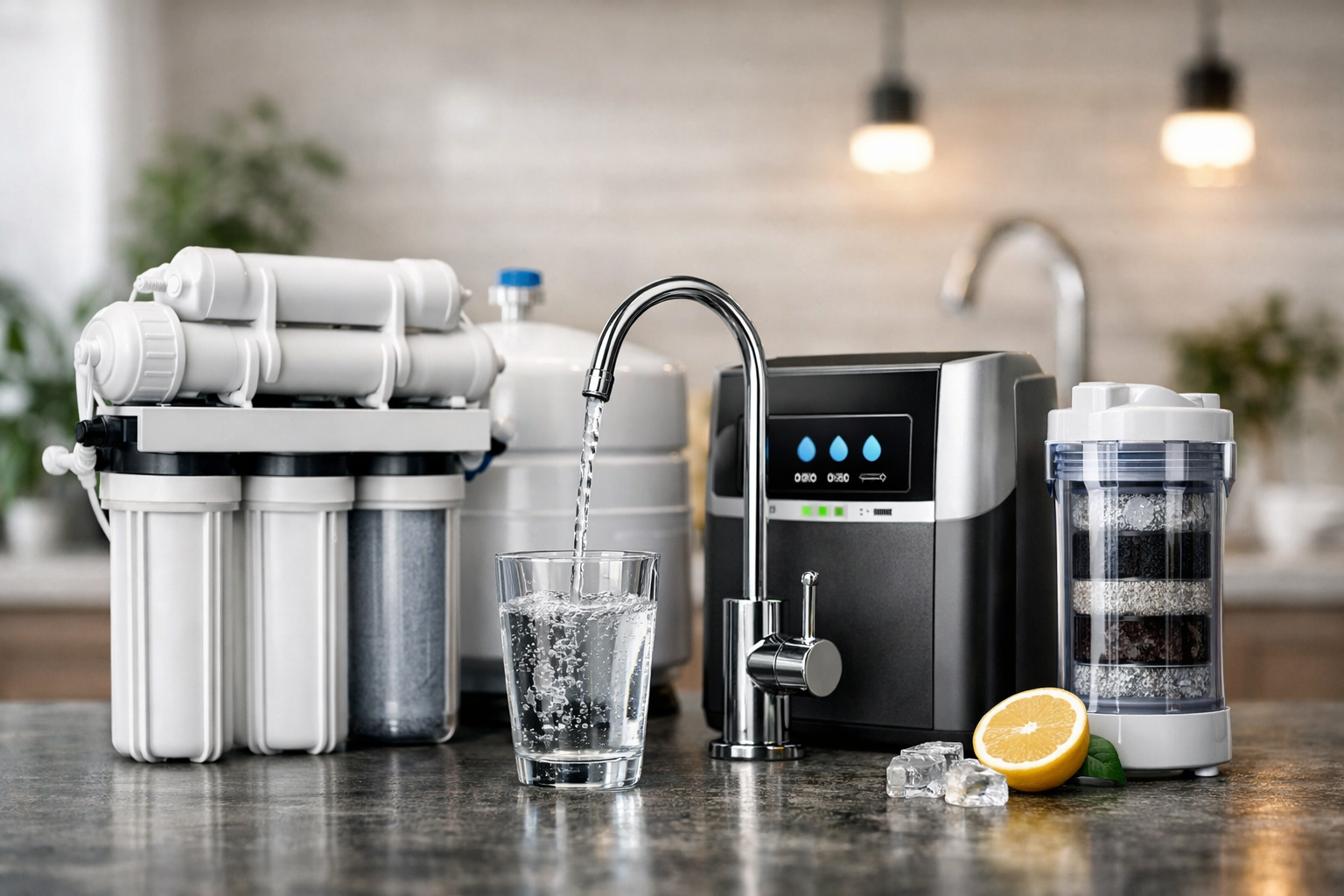 Best Reverse Osmosis Water Filter Systems Recommended by Experts in 2026
The Verdict (And a Few Jokes)
If you’re a bargain hunter, the iSpring RCC7 is a fan favorite. It’s cheap, reliable, and comes with a lifetime warranty that’s more loyal than your dog. If you want zero waste and a touch of luxury, the Waterdrop G3P800 is the techy choice—it even has a little screen that tells you when to change filters like a nanny for your water.
But here’s the real secret: no matter which system you buy, your tap water will taste incredibly crisp. You’ll start judging restaurant ice cubes. You’ll turn into that friend who carries a reusable bottle and smugly sips it at parties. Embrace it.
So go ahead, pick a system, install it (or pay someone to avoid the drama), and enjoy water so pure it’s practically boring. And remember: if your filter ever clogs, it’s not a sign from the plumbing gods—it just means you need to change the damn cartridge. Cheers!
