Best Uv Surface Disinfection Systems Food Processing

Picture this: You’re at your favorite farm-to-table spot, biting into a crispy salad, and the last thing on your mind is invisible microbes. But for the folks behind the scene...
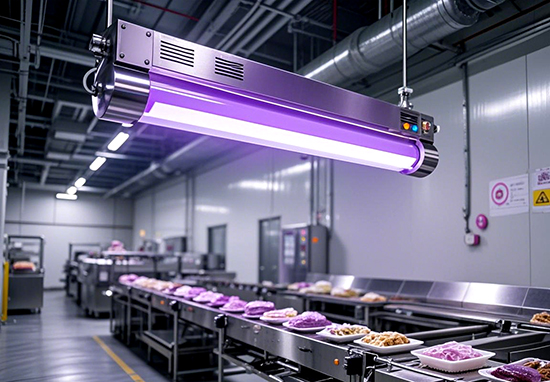
Picture this: You’re at your favorite farm-to-table spot, biting into a crispy salad, and the last thing on your mind is invisible microbes. But for the folks behind the scenes—in food processing plants—keeping things clean is a high-stakes game. Enter UV surface disinfection systems: the sleek, non-chemical superheroes of the hygiene world.
These systems use ultraviolet light to zap bacteria, viruses, and mold on surfaces in seconds. It’s like a CSI episode, but for your lunch. And unlike harsh chemicals, UV leaves no residue—just the satisfying glow of safety.
Why UV Systems Are Winning the Kitchen Cleanup
The old guard relies on sprays and wipes, but UV is faster and tireless. A UV-C light at the right wavelength (around 254 nanometers) scrambles the DNA of pathogens, rendering them harmless. Think of it as a tiny, invisible Guardians of the Galaxy squad for conveyor belts.
Must Read
Food processors love it because it cuts down on water use and chemical waste. Plus, it’s a solid nod to sustainability—your avocado toast’s carbon footprint just got lighter.
Practical Tip: Know Your UVA from Your UVC
Not all UV light is created equal. UVC is the germ-killing champ, but it’s dangerous to human skin and eyes, so systems are enclosed or use motion sensors. Look for automated units that turn off when a door opens—safety first, cool factor second.
For a home kitchen hack? Some UV wands claim to sanitize countertops, but they’re slower and less reliable. Stick to the industrial-grade stuff for serious results—your humble sponge will thank you.
 UV Conveyor Belt Disinfection System-XPES
The Tech Behind the Glow: It’s Not Sci-Fi, It’s Lunch Prep
Modern UV systems are compact, energy-efficient, and often integrated with smartphones. Imagine getting a notification: “Conveyor belt sanitized at 3:47 PM. Pathogen level: zero.” It’s like a smart home for your salsa factory.
Fun fact: UV disinfection was first used in the 1910s to purify water. Now, it’s giving a makeover to everything from cheese graters to meat slicers. Even NASA uses UV to sterilize spacecraft—so your lunch meat is literally space-grade.
Cultural Reference: The Ghostbusters of Germs
Remember the proton packs in Ghostbusters? UV systems are the quiet, real-world version—no slime, just science. And while Bill Murray would make it hilarious, the results are deadly serious: 99.99% reduction in pathogens like Salmonella and E. coli.
In Japan, UV hygiene stations are common in restaurants, and they’re slowly creeping into Western fast-food chains. Your next burger bun might have a glow-up you never see.
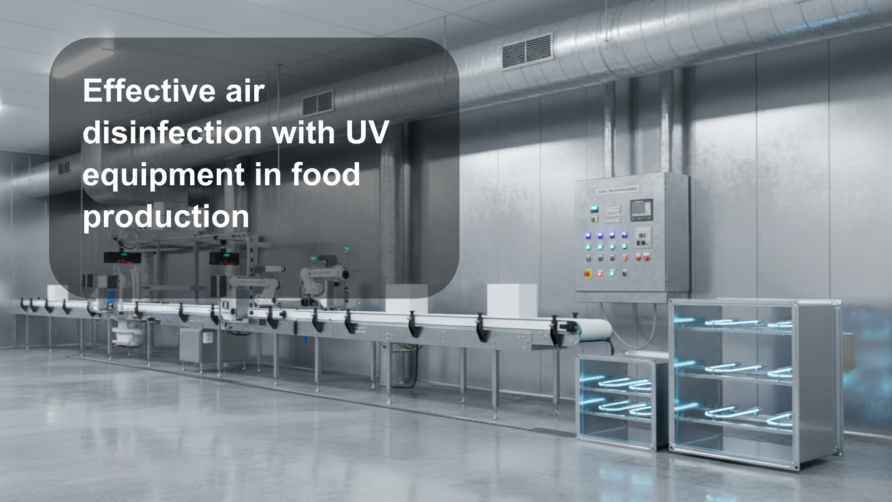 Effective UV air disinfection in food production - UVL
Practical Tips for Choosing a System
First, match the UV output to your process. Low-power systems work on smooth surfaces; rough conveyor belts need higher intensity. Second, check for dwell time—the light needs a few seconds to work its magic. Don’t rush the glow.
Third, invest in a unit with automatic shut-off for safety. And fourth, consider portable modules for small batches—perfect for artisanal food startups that want a big clean without a big footprint.
Fun Fact: UV and the Ozone Layer
Earth’s natural UV-B is blocked by the ozone, but industrial UVC is made in a lab. No ozone holes here—just targeted, controlled rays. Also, some UV systems use pulsed light (like a camera flash on steroids) for extra zing.
Pulsed light can kill spores that regular UV misses. It’s the thermonuclear option for your tempeh facility.
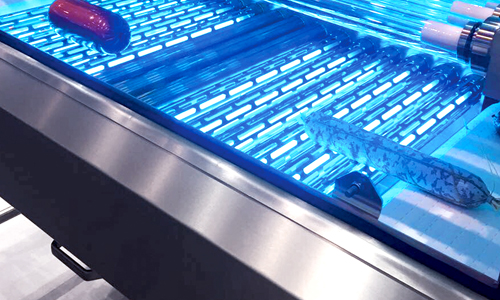 UV disinfection food meat beverage - UV Hygiene | Peschl Ultraviolet
The Lifestyle Angle: Clean Without the Chemical Hangover
We live in a world obsessed with “organic” and “clean label.” UV disinfection fits perfectly—it’s chemical-free and leaves no taste or smell. Your pickles stay crunchy, your yogurt stays tangy, and your conscience stays clear.
It’s also a conversation starter. At a dinner party, mention “I think my cheese was sanitized by photons” and watch the room go quiet—then impressed.
Practical Tip: Don’t Forget Shadows
UV is a line-of-sight technology. If a crevice or a pile of lettuce blocks the light, that spot stays dirty. Use multiple lamps or rotating fixtures to hit every angle. Think of it like tanning: you want an even all-over glow, not just one side.
For dirty corners, a quick manual wipe beforehand helps. UV is a finisher, not a miracle worker—it’s the cherry on top of a clean process.
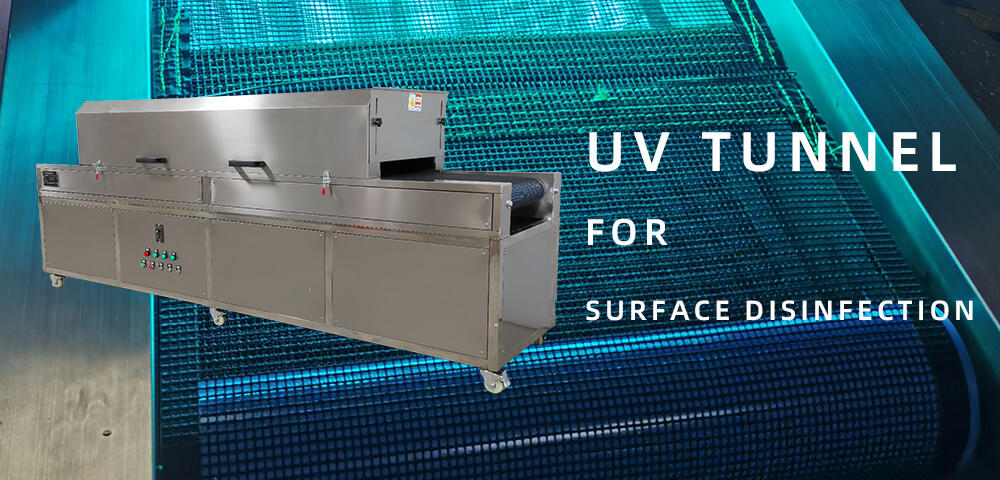 UV Conveyor Belt Disinfection System-XPES
What’s Next? The Future is Bright (and Purple)
Researchers are working on far-UVC (around 222 nanometers) that’s safe for occupied spaces. Imagine a restaurant where the lights are always sanitizing—even while you eat your pasta. It’s like living in a gentle, germ-proof bubble.
Already, some airlines use UV robots to clean cabins. Expect food trucks and commercial kitchens to follow. It’s a glow-up for global hygiene.
Final Reflection: A Little Light Goes a Long Way
You probably don’t think about disinfection when you grab a bag of salad or a slice of pizza. But behind that convenience is a quiet revolution—one that uses light, not chemicals, to keep you healthy. It’s a reminder that sometimes the best solutions are simple, elegant, and invisible.
So next time you prep a meal at home, take a second to appreciate the science in your food chain. And maybe, on a sunny day, remember that the same force that warms your skin is also, somewhere, scrubbing a carrot clean. That’s the glow of modern life—and it’s pretty cool.
