Reverse Osmosis Best Water Filtration System For Home

So, you’re thinking about water filters. I get it. Tap water can be a little… mysterious. Sometimes it tastes fine, sometimes it smells like a swimming pool. And let’s not eve...
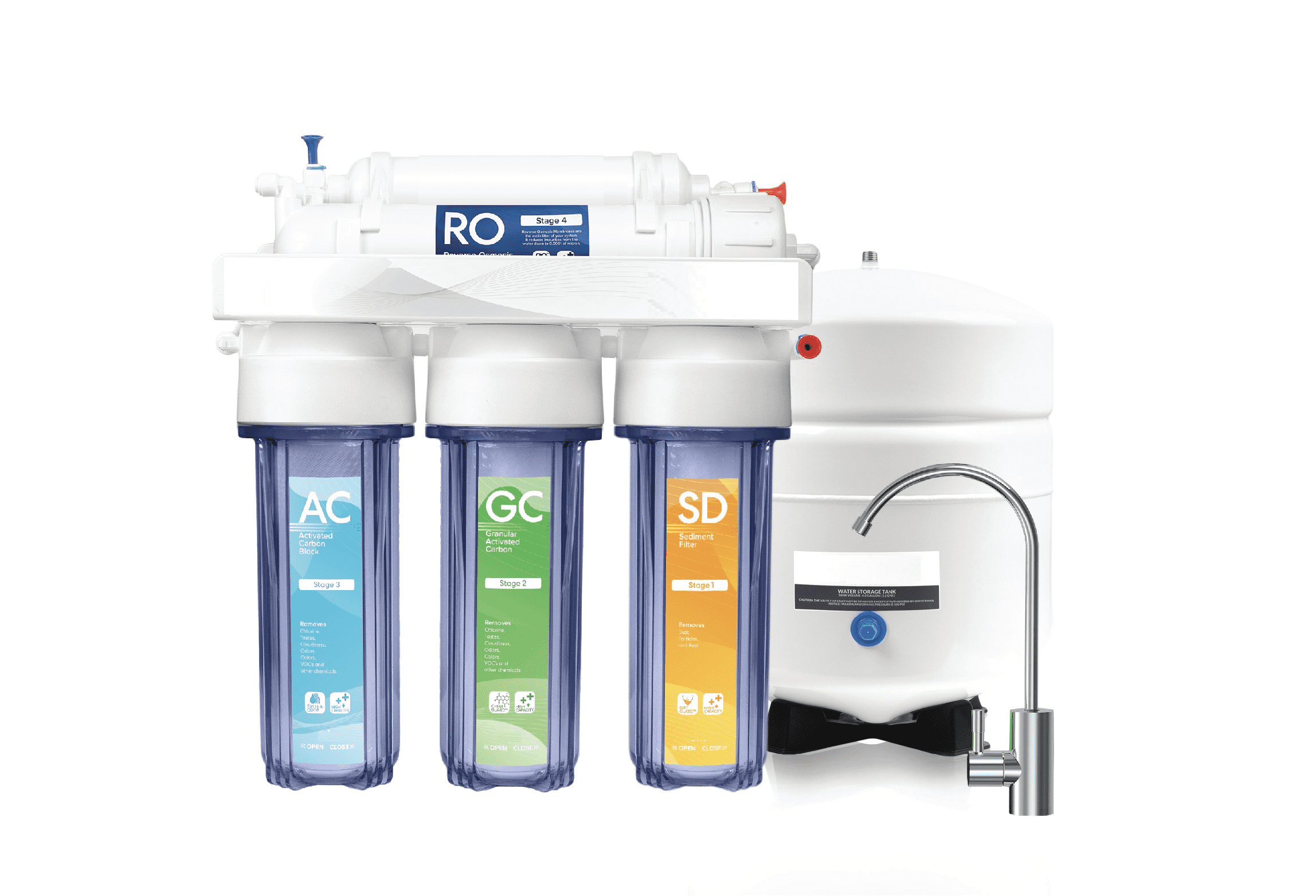
So, you’re thinking about water filters. I get it. Tap water can be a little… mysterious. Sometimes it tastes fine, sometimes it smells like a swimming pool. And let’s not even talk about the hard water stains on your kettle.
You want clear, clean, great-tasting water. But there are a million options out there. Pitchers, faucet attachments, giant countertop tanks. It’s exhausting.
Let me save you some headache. I’ll tell you straight: Reverse Osmosis (RO) is the best home water filtration system. Yeah, I said it. Fight me.
Must Read
Look, I’m not a scientist. I just drink a lot of water and hate lazy solutions. And RO is the real deal. It doesn’t just “filter” stuff—it practically vaporizes impurities. Dramatic? Maybe. Accurate? Absolutely.
So, what the heck is Reverse Osmosis anyway?
Imagine a super-strict bouncer at a club. Only the smallest, purest water molecules get in. Everything else—lead, chlorine, pesticides, microplastics—gets thrown out. That’s RO in a nutshell.
It uses pressure to push water through a semi-permeable membrane. The membrane has holes so tiny you’d need a microscope to see them. Seriously, it blocks stuff smaller than a virus.
The result? Water that tastes like it came from a mountain spring. Or better. Depends on the mountain.
 Reverse Osmosis Systems in Portland, Maine | Pure Experts
The "But... isn’t it wasteful?" myth
Okay, let’s address the elephant in the room. Old RO systems were wasteful. They’d send 3-4 gallons of water down the drain for every gallon they made. Ouch.
But modern systems are way smarter. Newer models use a permeate pump or a zero-waste valve. You’re looking at a 1:1 ratio now. Not perfect, but better than your lawn sprinkler.
Worried about your water bill? Chill. It’s like paying an extra 30 cents a month for the best water of your life. Worth it.
Why RO beats pitchers and faucet filters
Pitchers? Cute. They’re like a water bottle with a straw. Great for a quick sip, but they barely touch heavy metals or fluoride. You’re basically paying for slightly less-chlorine-flavored tap.
Faucet filters are a step up, but they’re slow and take up space. Plus, they only filter cold water. What if you want hot tea? You’re boiling unfiltered water. Gross tea ahead.
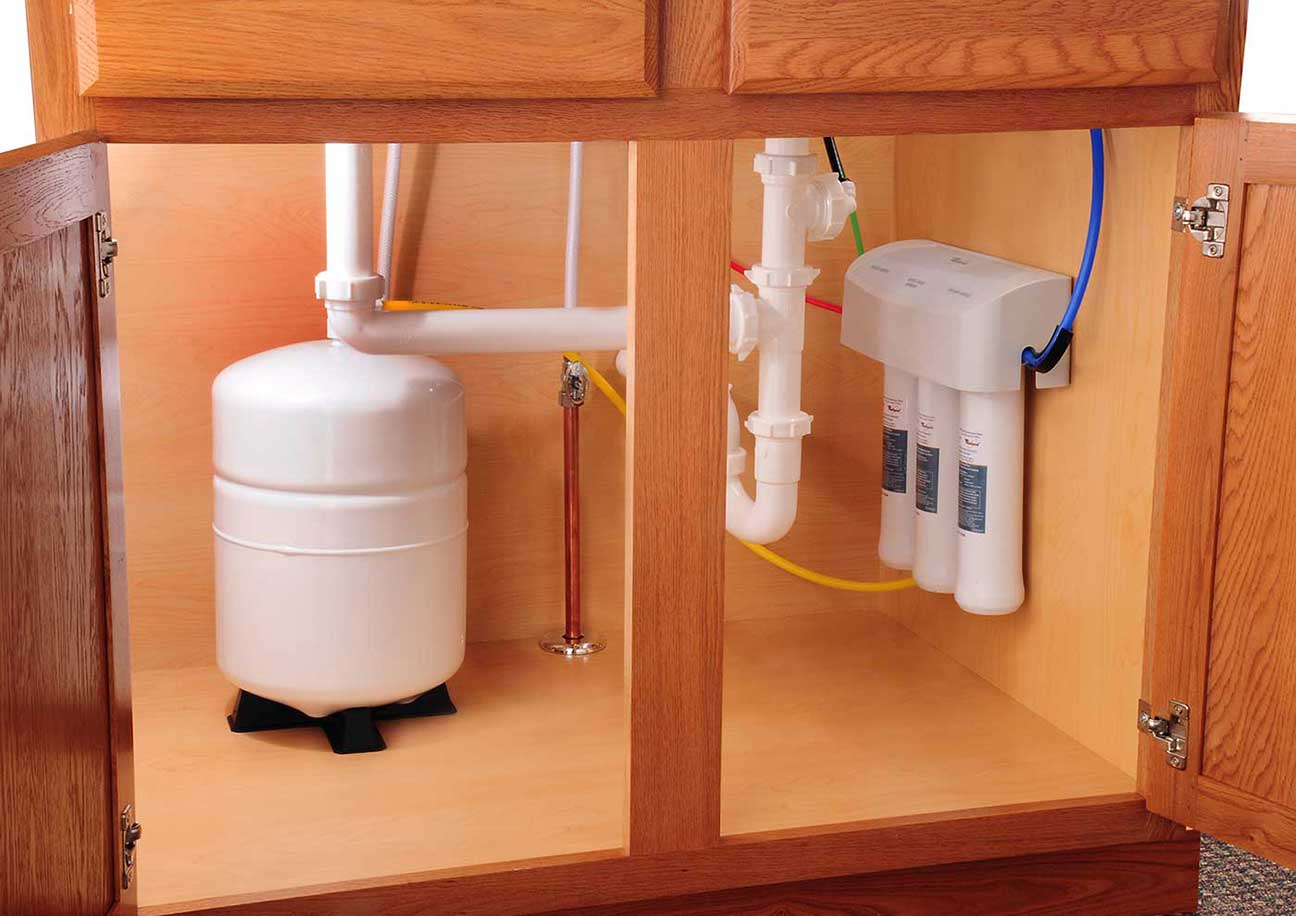 Reverse Osmosis Home Water Filtration System | Whirlpool
RO systems sit under your sink. They’re invisible. They filter all the water you drink—cold, hot, or iced. And they remove 97-99% of total dissolved solids. That’s not a guess. That’s science.
Dishwashers and showers get a makeover too
Here’s a secret: RO isn’t just for drinking. You can pipe it to your fridge’s ice maker. No more cloudy ice cubes that smell like last night’s fish sticks.
And your coffee? Oh man. Coffee made with RO water is smooth. No bitter mineral taste. No weird film on top. Your barista friends will weep with jealousy.
Even your hair and skin get a break. Hard water robs moisture. RO water is gentle. It’s like giving your entire house a spa day.
Okay, but is it hard to install?
Depends. Are you handy with a wrench? Do you own a drill? If yes, you can do it in about an hour. Most kits come with color-coded hoses. It’s basically grown-up LEGOs.
 Is Reverse Osmosis The Ultimate Water Filtration System?
If you’re not handy (no shame), hire a plumber. It’ll cost you $100-$200. Cheaper than a kidney stone from hard water, trust me.
Maintenance is almost nothing. Change the filters every 6-12 months. That’s it. No cleaning. No drama. Set a calendar reminder. Done.
The one downside (yes, there’s one)
RO water is too pure. It lacks natural minerals like calcium and magnesium. Some people think it tastes flat. You can add a remineralization cartridge for $20. Or just eat a handful of almonds.
Also, it’s slow. Don’t expect to fill a bathtub. It trickles out at a few cups per minute. But for drinking? That’s plenty.
Which RO system should you actually buy?
Big brand? Small brand? Don’t overthink it. Look for these two things: NSF/ANSI Standard 58 certification and a $200-$500 price range. That’s the sweet spot.
 Reverse Osmosis Water Filter System
I personally love the ones with a clear first stage filter. Why? Because you can actually see the gunk it catches. It’s disgusting and satisfying at the same time.
And get a system with a tank. Tankless ones are trendy, but they need a power outlet. Tanks are quiet, reliable, and cost less.
Final sip of coffee thought
Look, I’m not saying everyone needs an RO system. If you like the taste of pool water, go for it. But if you want the cleanest, most delicious water your home can make, reverse osmosis is the winner.
It’s an investment in your health, your appliances, and your morning coffee. Plus, you’ll feel very futuristic when you pour a glass that looks like liquid diamond. Try it. You won’t go back.
Now go drink some water. You’re probably dehydrated. Don’t forget to add an ice cube made with RO. You’re welcome.
