Which Filtration Material Leads To The Best Drinking Water

Let’s be real for a second: tap water can be a bit of a gamble. Sometimes it’s perfect, other times it tastes like a swimming pool or a rusty pipe. So, you’ve decided to filte...
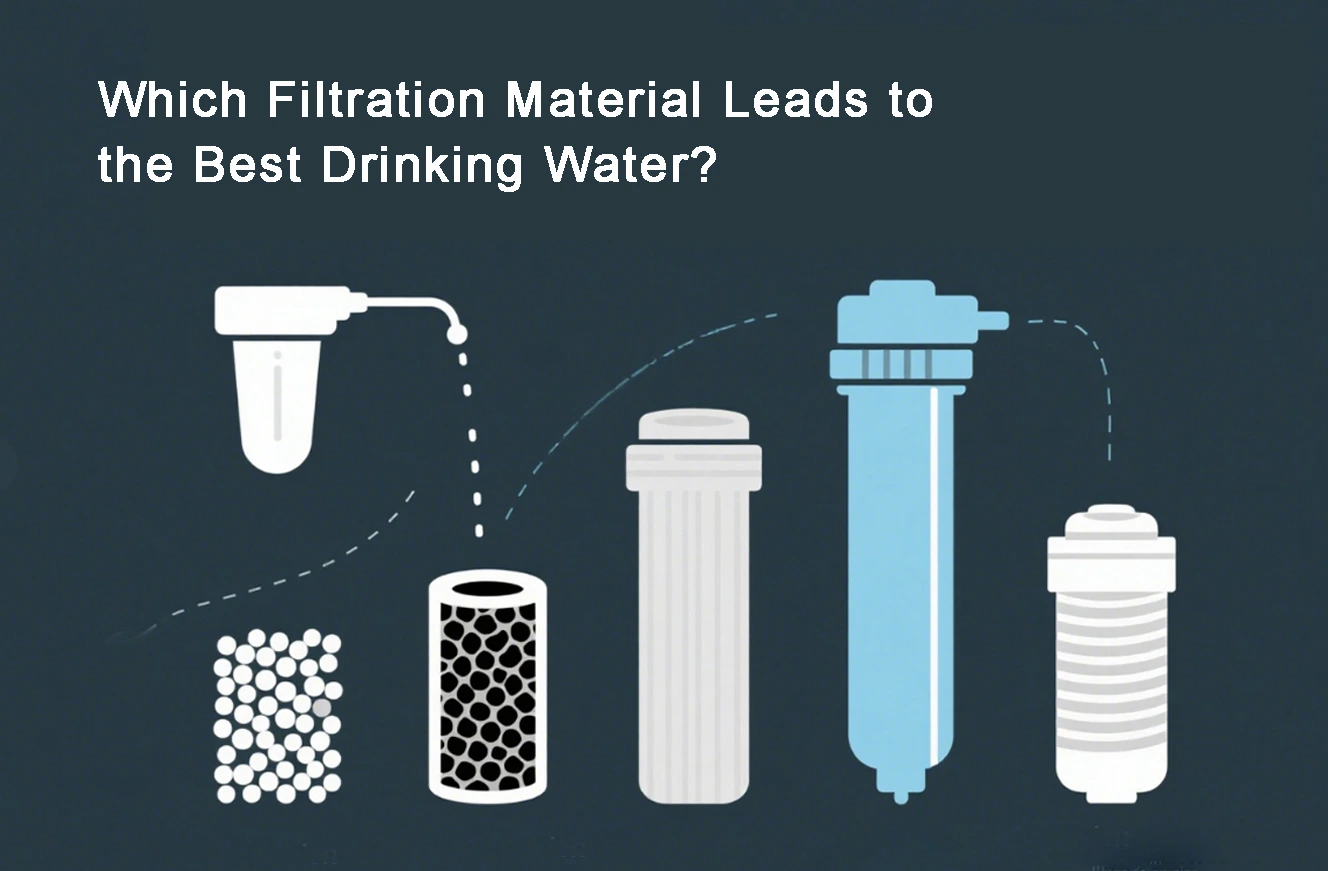
Let’s be real for a second: tap water can be a bit of a gamble. Sometimes it’s perfect, other times it tastes like a swimming pool or a rusty pipe. So, you’ve decided to filter it—awesome! But now you’re staring at a wall of charcoal, ceramic, and plastic doohickeys, wondering which one will give you the best drinking water without turning your kitchen into a science lab.
Don’t worry. I’ve done the homework, so you don’t have to. We’re going to break down the top filtration materials—from the fancy to the frugal—and find out which one truly deserves the crown.
The Heavyweight Champion: Activated Carbon
If water filtration were a sport, activated carbon would be the Michael Jordan of the game. It’s the most common material in pitchers, fridge filters, and faucet attachments. Why? Because it’s a sponge for bad stuff.
Must Read
Activated carbon works by trapping impurities like chlorine, sediment, and funky odors in its tiny pores. It’s like a microscopic Pac-Man gobbling up the yuck. The result? Your water goes from “meh” to “ahhh” in seconds.
The downside? It’s not great at removing heavy metals or fluoride without extra help. Think of it as the excellent all-rounder that leaves a few gaps in its game. But for everyday taste and smell? It’s a slam dunk.
The Glamorous Underdog: Ceramic
Ceramic filters look like something from a pottery class that got a little too serious. They’re often dirt cheap (pun intended) and incredibly durable. These little clay discs use tiny pores to block bacteria and protozoa—bad guys that cause tummy troubles.
 10 Best Filtration for Drinking Water: An Industrial Engineering
Here’s the kicker: ceramic filters are beginners at removing chemicals. They’ll stop a parasite in its tracks, but they’ll let chlorine and pesticides waltz right through. You can pair them with activated carbon for a dream team effect, but alone? They’re like a bouncer who only checks for ID, not weapons.
If you’re camping in the woods or worried about microbes, ceramic is your buddy. But for your kitchen tap? You might want to upgrade to a more polished player.
The Overachiever: Reverse Osmosis
Reverse osmosis (or RO, if you’re feeling fancy) is the boss of filtration. It pushes water through a semi-permeable membrane that blocks almost everything—lead, arsenic, fluoride, microplastics, even the ghosts of bad decisions. Seriously, this stuff is intense.
But here’s the catch: it’s slow, expensive, and it wastes a lot of water (up to 4 gallons for every 1 gallon filtered). Plus, it strips out good minerals like calcium and magnesium, leaving your water tasting a bit flat. It’s the overachiever who aced the test but forgot to smile.
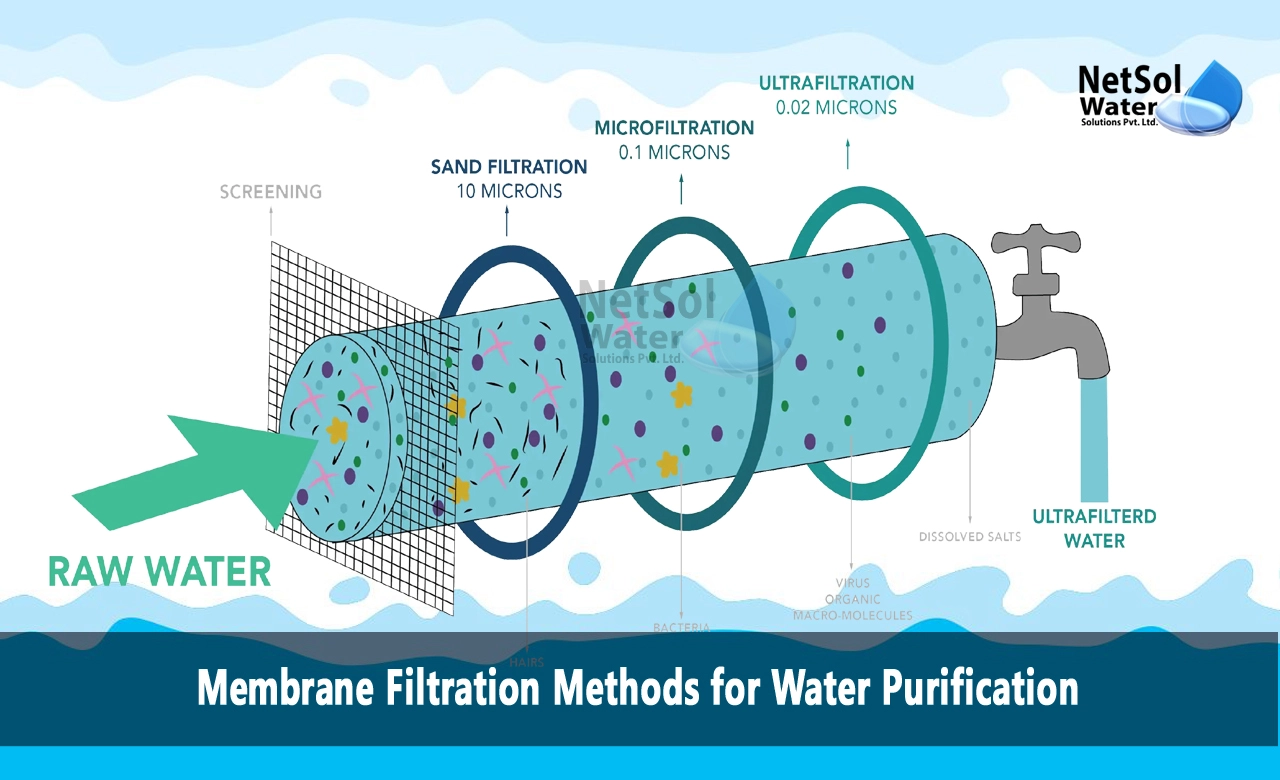 Purification Quotes
Is it the best drinking water in a laboratory sense? Yes. Is it practical for a regular human with a budget and a drinking glass? Ehh—only if you really need to remove heavy metals or live in an area with terrible water.
The Cozy Favorite: Ion Exchange
You know those fancy “water softeners” that make your shower feel silky? That’s ion exchange in action. It swaps hard minerals like calcium for softer ones like sodium, which makes your water feel smoother. It’s like a spa treatment for your H₂O.
But here’s the twist: it’s terrible at removing actual contaminants. It softens, it doesn’t clean. So while your water may feel luxurious, it might still taste like a bad science experiment. Think of it as a gentleman at a party—polished, but not very useful in a crisis.
Ion exchange is a sidekick, not a hero. Pair it with activated carbon, and you’ve got a dynamic duo for households with hard water.
 Which Filtration Material Leads to the Best Drinking Water by Maryam
The Dark Horse: Distillation
Distillation is the old-school method: boil water, catch the steam, let it condense back into liquid. Sounds like a magic trick, right? It is—because it removes almost everything, including bacteria, viruses, heavy metals, and even salt. You could distill ocean water and drink it (don’t try that at home, but you get the idea).
The downside? It’s crazy slow—like, watching-paint-dry slow. It also uses a ton of energy, and like RO, it removes healthy minerals. The result? Water so pure it tastes… boring. Some say it’s like drinking nothingness. Not exactly a party in your mouth.
For emergency preparedness or absolutely pristine water? Distillation is a champ. For daily hydration? It’s a bit of a drama queen.
The Sneaky Solution: Activated Carbon + Ultra cheap + A Dash of Common Sense
After all this, you’re probably thinking: “Just tell me what to buy!” Here’s the truth: nothing beats activated carbon for 99% of people. It’s affordable, effective, and it makes your water taste delicious. If you live in a place with lead or arsenic, then and only then should you consider reverse osmosis.
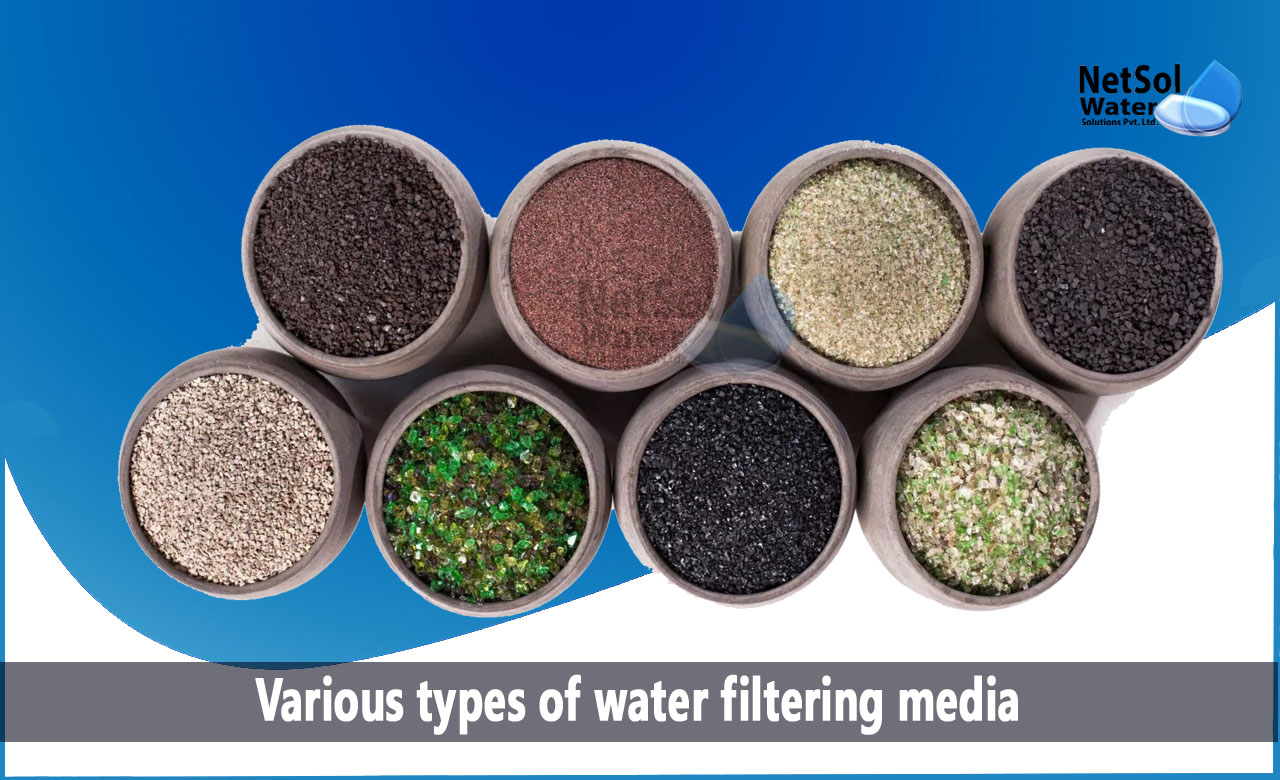 What Is A Filter Media at Wanda Devine blog
And if you’re feeling extra? Buy a dual-stage filter that combines carbon with a sediment filter or ion exchange. It’s like ordering a combo meal—you get fries AND a drink. Your taste buds will thank you.
But Wait—Don’t Overthink It
Here’s the secret the water filter industry doesn’t want you to know: most tap water in developed countries is already safe to drink. Filtration is about flavor and peace of mind, not survival. So don’t stress over microns and membranes.
Pick a material that fits your needs, your budget, and your laundry schedule. Then drink up with a smile. Because the best drinking water is the water you’ll actually drink—whether it’s filtered through charcoal, ceramic, or a $3 Brita pitcher from a garage sale.
Go enjoy a cold glass of H₂O, my friend. You’ve earned it. And if you spill a drop? Just laugh and blame the filter. I won’t tell anyone.
