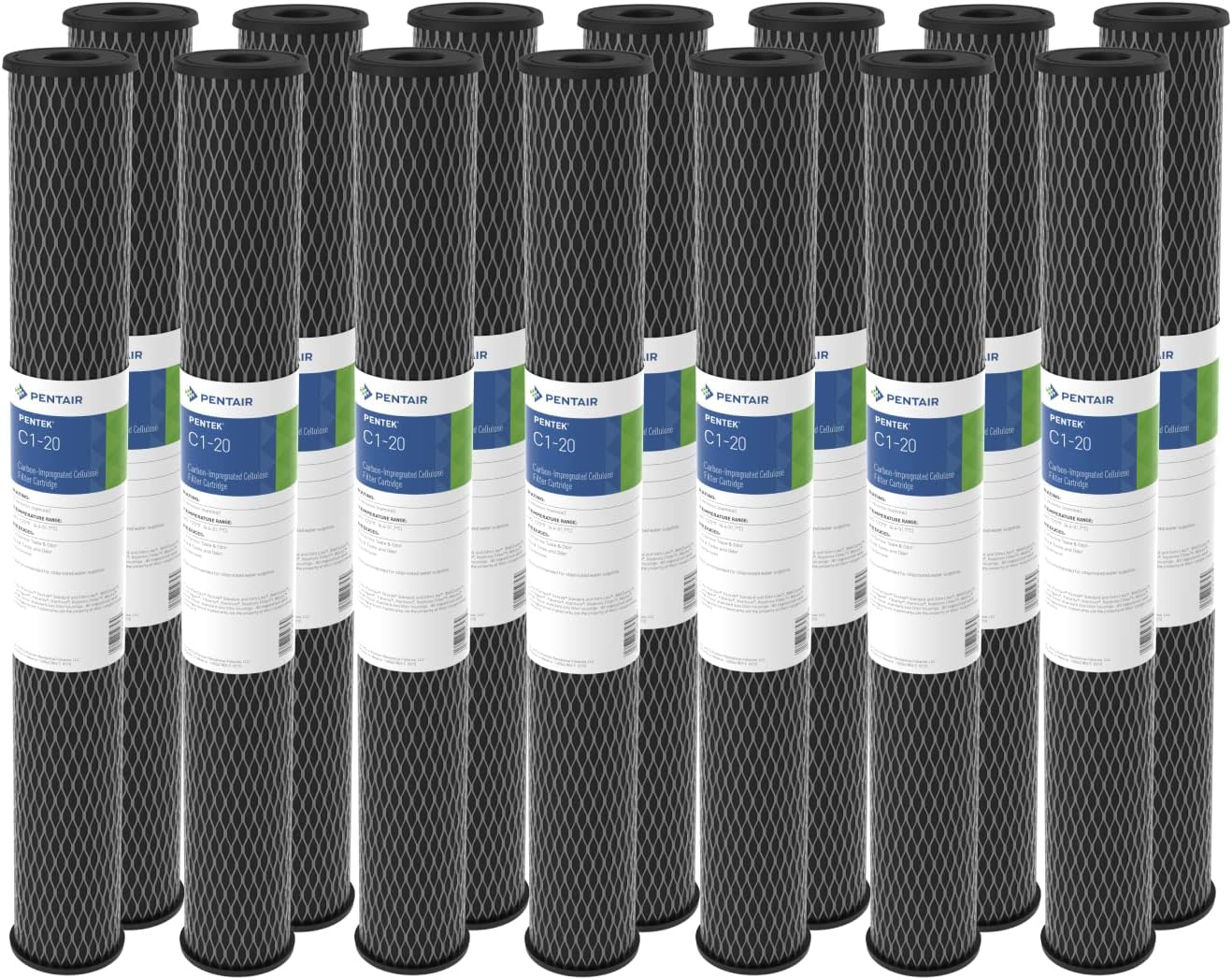
Best Carbon Water Filter

Alright, pull up a chair and let me tell you about the unsung hero of your kitchen: the carbon water filter. You know, that little black cylinder that sits in your Brita pitch...
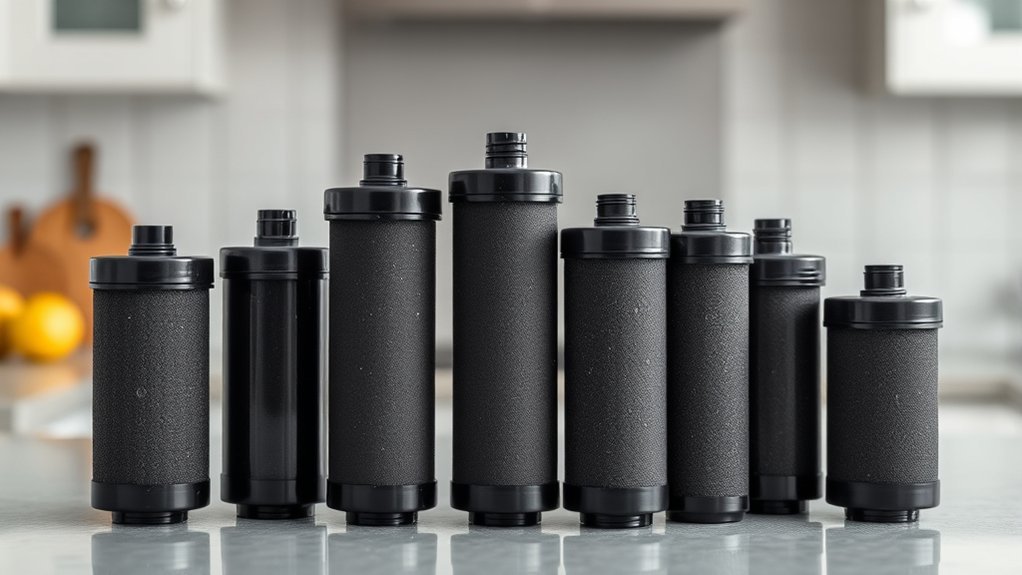
Alright, pull up a chair and let me tell you about the unsung hero of your kitchen: the carbon water filter. You know, that little black cylinder that sits in your Brita pitcher like a brooding teenager, silently judging your tap water? That thing is basically a magic sponge for bad decisions. It’s not just filtering water—it’s waging a microscopic war against the taste of regret and old plumbing.
Why your tap water tastes like a swimming pool’s hangover
Let’s be honest—straight tap water can be a gamble. One day it’s crisp, the next it tastes like a swimming pool’s hangover mixed with a dash of rusty pipe. That’s thanks to chlorine, sediment, and the ghost of whatever the city water plant was thinking last Tuesday. A carbon filter is like having a bouncer for your glass, kicking out chlorine, volatile organic compounds (VOCs), and the faint taste of “Did I just drink a Band-Aid?”
But here’s the kicker: carbon filters don’t just mask the yuck—they absorb it. Think of activated carbon as a microscopic sponge with an attitude problem. It traps impurities like a spider web catches flies, but without the screaming. Surprising fact: a single gram of activated carbon can have a surface area the size of a football field. So while you’re sipping your “cloud water,” you’re essentially drinking from a sports stadium of cleanliness.
Must Read
Not all carbon filters are created equal
Now, you might think, “Hey, I’ll just grab the cheap one from the dollar store.” Bad move, my friend. That’s like using a paper towel to mop up a flood. The best carbon filters use activated coconut shell carbon, not coal or wood. Why? Because coconut carbon has microscopic pores that are better at catching the tiny gremlins in your water. Plus, it’s renewable—coconuts don’t come with a side of guilt.
Look for solid block carbon filters over granular ones. Granular filters are like a slinky crossed with a colander—they let water sneak through gaps. A solid block forces every drop to do a full tour of the carbon maze, like a tiny theme park ride for H2O. The result? Water so clean it’ll make your tap jealous.
 Top 10 Best Carbon Water Filter That Will Blow Your Mind - American Gun
The dirty little secret your filter won’t tell you
Here’s where things get spicy: your filter can actually become the problem if you don’t change it. I’m serious. That old, overused carbon filter is basically a petri dish with a side of “oops.” Bacteria can grow on trapped gunk if you let it sit too long. Replace it every 2-3 months, or you’re essentially drinking from a science experiment gone wrong.
Set a reminder on your phone, or better yet, tie a string around your finger. Your future self—and your stomach—will thank you. Pro tip: write the date on the filter with a Sharpie, because your memory is probably as reliable as a politician’s promise.
Can it actually remove microplastics? (Spoiler: kinda)
You’ve heard the horror stories—microplastics in your water, in your blood, in your breakfast cereal. Surprising fact: many standard carbon filters don’t catch the tiniest plastic particles. They’re designed for taste and odor, not for your ex’s flake of a shampoo bottle from 1995. But the best carbon filters with a micron rating of 0.5 or less can trap microplastics like a bouncer at a Velvet Rope. If that bugs you, consider a filter with activated carbon plus an ion-exchange resin—it’s like carbon wearing a superhero cape.
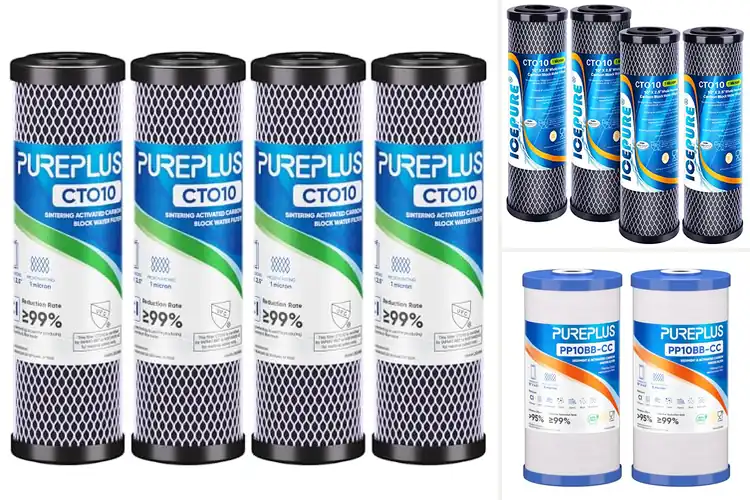 Water Filtration: Top Metal‑Removing & Brita Filters – Kitchen Converse
Installation: easier than assembling IKEA furniture (thank goodness)
You don’t need a plumber or a PhD in chemistry. Most countertop carbon pitchers click together faster than your uncle’s grill at a BBQ. For under-sink models, you just screw it onto your existing tap—it’s like putting a hat on your faucet. One caveat: check if your filter is certified by NSF/ANSI Standard 42 or 53. Those letters mean a scientist in a lab actually tested it, not just a guy with a “trust me, bro” attitude.
If you want the gold standard, get a gravity-fed countertop filter that uses a ceramic pre-filter plus carbon. It’s slow, but so is good storytelling. You’ll have water so pure it’ll make your coffee cry tears of joy. Or at least tears of “finally, no weird aftertaste.”
 Best Activated Carbon Water Filters: Top Picks & Guide 2026
The surprising winner: fridge filters are overrated
I hate to break it to you, but that built-in fridge filter? Often a glorified straw. Many are just cheap carbon granules that stop working after a month. Surprising fact: some fridge filters actually release carbon fines (tiny black specks) into your ice—hello, breakfast smoothie with a side of glitter. The best carbon filter for your money is often a standalone pitcher or a dedicated faucet attachment. Less fancy, more effective—like wearing sweatpants to a fancy dinner.
The final sip: what to buy without losing your mind
If you want the best carbon water filter without spending your rent money, go for a brand like Brita Elite or PUR Plus—they’re the Toyota Corollas of filtration: reliable, affordable, and not trying to impress your in-laws. For hardcore purists, ZeroWater uses a five-stage filter that leaves literally zero dissolved solids. It’s like a millennial—it’s extra, but you love it.
And remember: the best filter is the one you’ll actually use. Don’t buy a $500 under-sink system if you’re still drinking from the hose. Start small, change the filter on time, and toast to water that doesn’t taste like a wet sock. Cheers, you glorious hydration wizard.