Best Rv Water Filter Systems

Let’s be real: there’s nothing quite like the taste of that first cup of coffee from your RV’s tap that tastes faintly of… well, everything it shouldn’t. You know the drill—a...
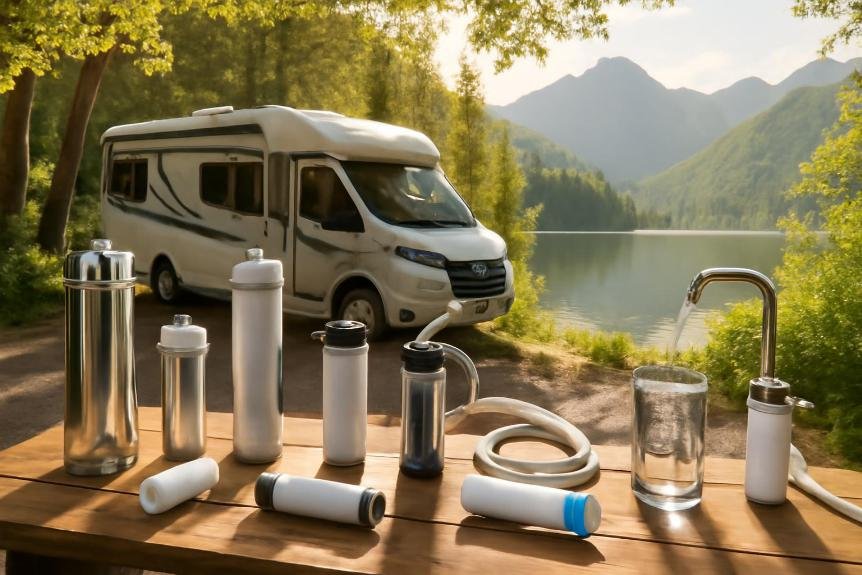
Let’s be real: there’s nothing quite like the taste of that first cup of coffee from your RV’s tap that tastes faintly of… well, everything it shouldn’t. You know the drill—a metallic clank, a whiff of sulfur, or that weird plastic aftertaste that makes you question your life choices. It’s like your water bottle decided to cosplay as a swimming pool filter, and you’re the one who has to drink it.
But here’s the good news: you don’t have to live like a frantic water-snob who hoards gallons of store-bought water like a doomsday prepper. An RV water filter system is the unsung hero of your rig, turning that questionable campground water into something you’d actually serve to your mother-in-law. And yes, I mean that in the best way possible.
Why Your Water Needs a Bouncer
Think of your RV’s water tank as a VIP club for microscopic party crashers. We’re talking sediment, chlorine, and the occasional trace of rust that hitched a ride from the campground spigot. Without a filter, you’re basically inviting these uninvited guests to every shower and meal.
Must Read
I once pulled up to a beautiful site by a lake, only to find the water tasted like a band-aid soaked in old gym socks. Never again. That’s when I realized a filter isn’t just a gadget; it’s your personal water sommelier, ensuring every sip tastes like it came from a mountain spring (or at least, not from a wet sock).
The Lineup: What’s in the Starting Team?
First up is the in-line filter, the skinny guy that screws right onto your hose. It’s the budget-friendly bouncer, great for catching big chunks of grit and chlorine, but don’t expect it to remove every bad taste. It’s like using a window screen to keep out mosquitoes—it works, but you’ll still get a few gnats.
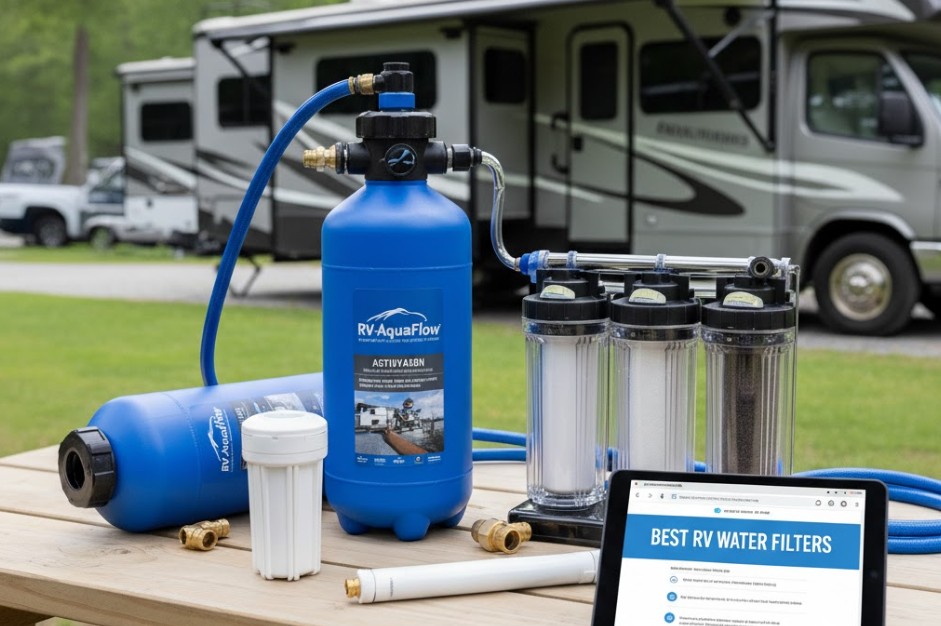 🏅12 Best RV Water Filters Review 2025 - April
Then there’s the canister system, the heavy lifter with a see-through plastic housing. This chunky hero uses a replaceable cartridge that tackles sediment, chemicals, and even some bacteria. It’s the Goldilocks of filters—not too expensive, not too basic, and perfect for those who hate surprises in their water.
If you’re a control freak (like me), consider a dual-stage system. It’s the luxury SUV of water filters, with two canisters working in tandem. One catches the big stuff, the other polishes your water to crystal clarity. Your coffee will finally taste like coffee, and your ice cubes will look like diamonds instead of foggy marbles.
The Installation Dance (It’s Easier Than You Think)
I’m not gonna lie: the first time I installed my filter, I stood there with the instructions in one hand and a wrench in the other, sweating like a politician in a lie detector test. But here’s the secret—most RV filters just screw onto your existing hose connection. No soldering, no PhD in plumbing required.
 The 8 Best RV Water Filter Systems of 2026: Tested & Reviewed
Just remember to flush the system first. You’ll know you did it right when the water runs clear and your shower doesn’t smell like a wet hamster. Pro tip: always carry a backup cartridge, because nothing ruins a weekend like a clogged filter and a desperate search for drinking water at a gas station.
What About Taste? The Real Test
I’m a firm believer that good water is the foundation of good camping. Without it, your instant coffee is sad, your pasta tastes like regret, and your brushing your teeth feels like a punishment. A decent filter system should remove that chlorine taste that reminds you of a public pool bathroom.
I tested mine by filling a glass straight from the tap and offering it to my skeptical dad. He sniffed it, took a sip, and said, “Is this bottled?” I grinned like a magician who just pulled a rabbit out of a hat. That’s the goal. Water so clean you forget you’re parked next to a busy highway.
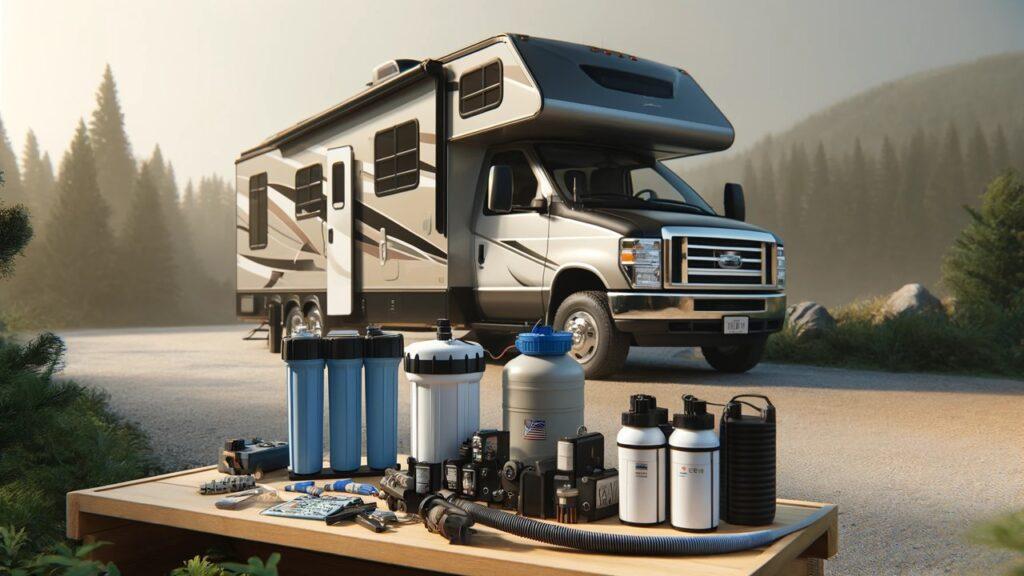 Water Filtration System Rv at Shirley Bock blog
Don’t Forget the Ice Factor
Here’s a funny thing about RV ice: it absorbs flavors like a sponge. If your water is funky, your ice cubes will taste like the inside of an old cooler. I once made a cocktail at a campsite that tasted like pickle juice and regret—turns out, it was the ice. A good filter fixes that instantly.
You can even get a filter that attaches directly to your fridge’s ice maker. It’s a small luxury, but believe me, when you’re sipping a cold drink on a hot day, you won’t care about the plumbing—you’ll just be grateful your ice doesn’t taste like yesterday’s leftovers.
Maintenance: It’s a Love-Hate Relationship
Filters have a lifespan, just like your patience when your spouse asks for the fifth time where the propane is. Most cartridges last about 6 months or 10,000 gallons, but if you’re boondocking in muddy places, change it sooner. A clogged filter is like a sneeze that never comes—frustrating and useless.
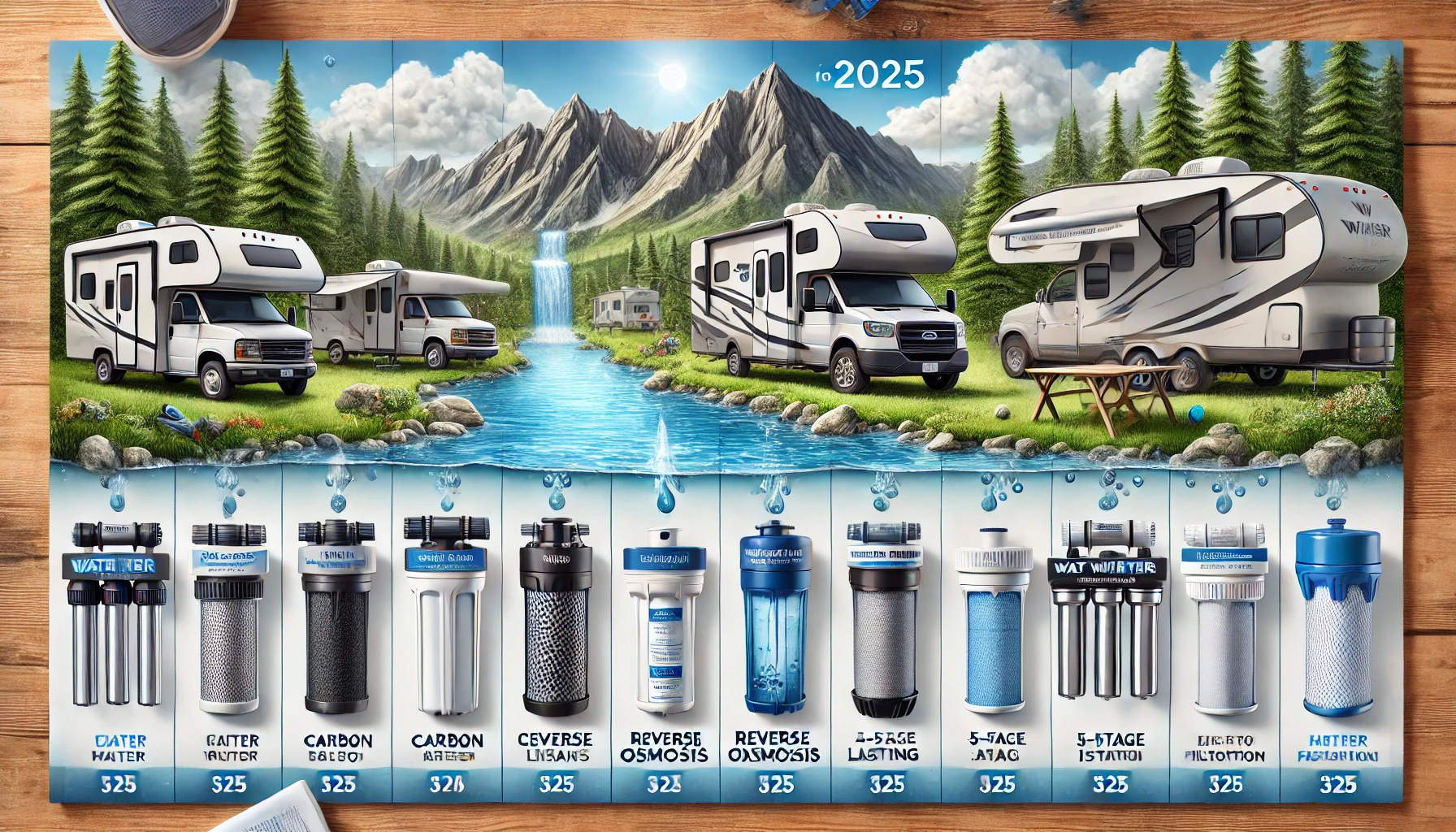 Top 10 Best RV Water Filters for Safe Camping in 2025
I learned this the hard way one rainy weekend when my water pressure dropped to a dribble. I spent an hour taking apart the system, only to find the filter was packed with silt. Lesson learned: check it before you leave, not after you’re already annoyed.
The Final Pour
So, take it from a guy who’s drank his fair share of suspect water on the road: buy a decent filter system, install it with a sense of humor, and never look back. You’ll save money on bottled water, reduce plastic waste, and most importantly, you’ll avoid that awkward moment when your guest asks, “Is this water supposed to smell like old socks?”
And honestly? There’s nothing better than pulling up to a new spot, hooking up your hose, and knowing the water from the tap is just as good as what you’d get at home. Happy camping, and may your coffee always taste like victory.
