Best Water Softeners For Wells

So, you’ve got a well. Congrats, you’re basically a rural royalty with your own personal aquifer. But let me guess: your water leaves orange rust stains on everything it touch...

So, you’ve got a well. Congrats, you’re basically a rural royalty with your own personal aquifer. But let me guess: your water leaves orange rust stains on everything it touches? Your dishes look like they’ve been in a mud-wrestling match? Oh, and your hair? It feels like you washed it with gravel and shame. Yeah, that’s hard water, my friend.
Welcome to the club. But before you start bottling it and selling it as a “rustic exfoliant,” let’s fix this. You need a water softener that can handle the unique chaos of a well. City water is a pampered house cat. Well water? That’s a feral raccoon fighting for its life underground.
Why Well Water is a Special Kind of Monster
First, let’s get real: well water isn’t just “hard.” It’s extra. It’s got iron, manganese, silt, and sometimes a smell that reminds you of a damp basement at grandma’s house. A regular softener from the big box store? It’ll choke on that stuff. You need a system that’s built like a tank.
Must Read
Think of it this way: a standard softener is a cozy sedan. You need a 4x4 with a winch. If you ignore this, you’ll be replacing resin beads every six months and crying into your coffee. I’ve been there. It’s not cute.
The Iron Problem (It’s a Real Party Pooper)
Iron is the biggest culprit. It turns your white socks orange and makes your water taste like a rusty paperclip. If you see slimy red or black gunk in your toilet tank? That’s iron bacteria. Ew, right? You can’t polish that away with bleach, pal.
You need a softener that includes a dedicated iron filter or one with a high-capacity resin. Look for systems that boast “iron removal up to 8-10 ppm.” If you’ve got more iron than that? You might need a separate aeration or oxidation filter. It sounds fancy, but it’s just science doing you a solid.
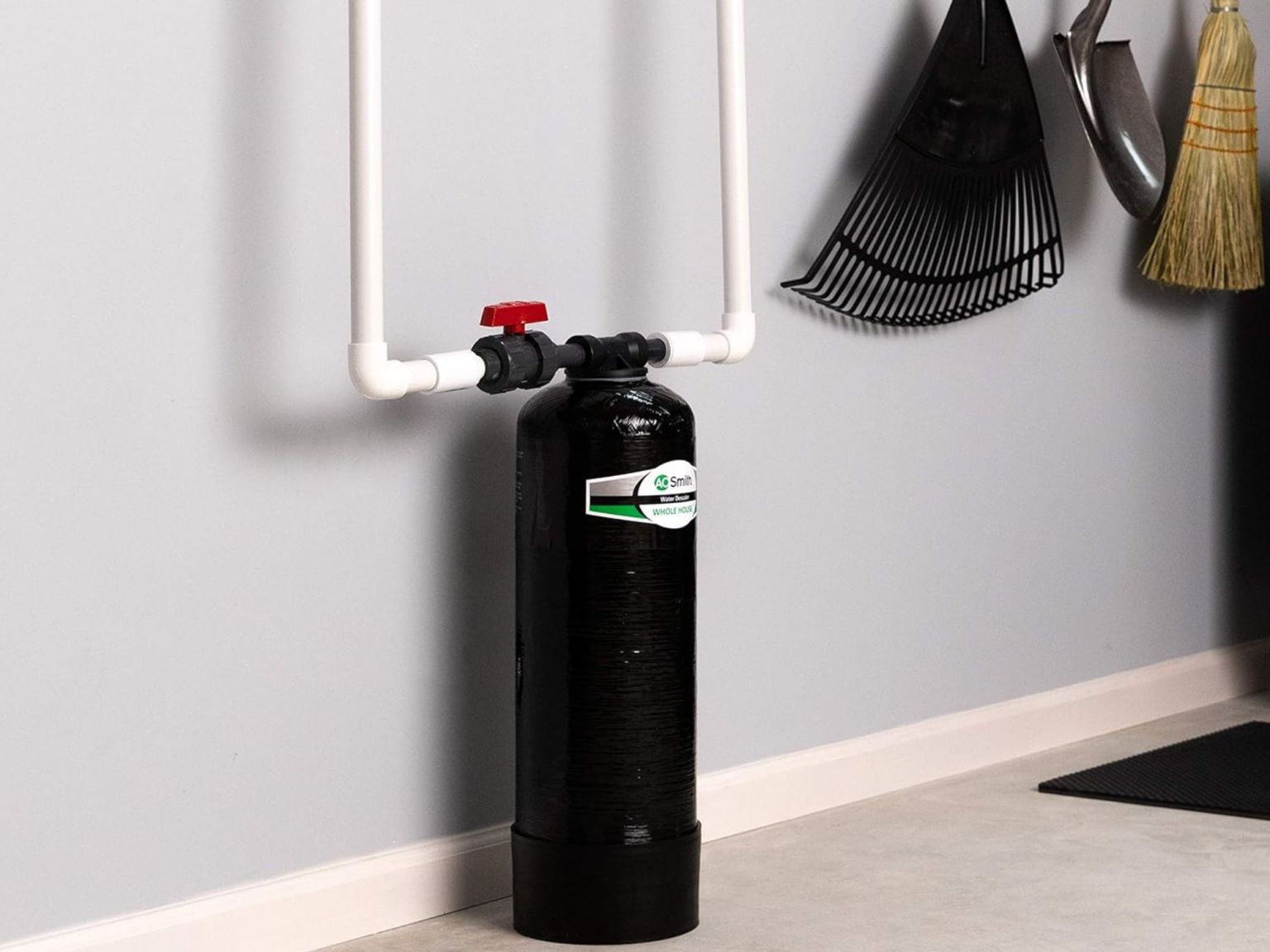 The Best Water Softeners for Well Water - Researched by Bob Vila
What to Look For (No, It’s Not Sexy, But Stick With Me)
Okay, let’s talk specs. I know it’s boring, but it’s like buying a good frying pan—you can’t just grab the cheapest one and hope for the best. You want a fiberglass tank, not that cheap plastic stuff. The fiberglass won’t rust, and it’ll last longer than your marriage (hopefully).
Also, metered regeneration is a must. Why? Because it only cleans itself when it actually needs to. Non-metered systems just flush on a timer, wasting water and salt. That’s like flushing your toilet every hour just in case. Don’t be that person.
And for the love of all that is bubbly, get one with a bypass valve. Seriously. When you need to service the thing—and you will—you don’t want to cut off water to your entire house. Trust me, I learned that lesson the hard way, mid-shower, covered in soap.
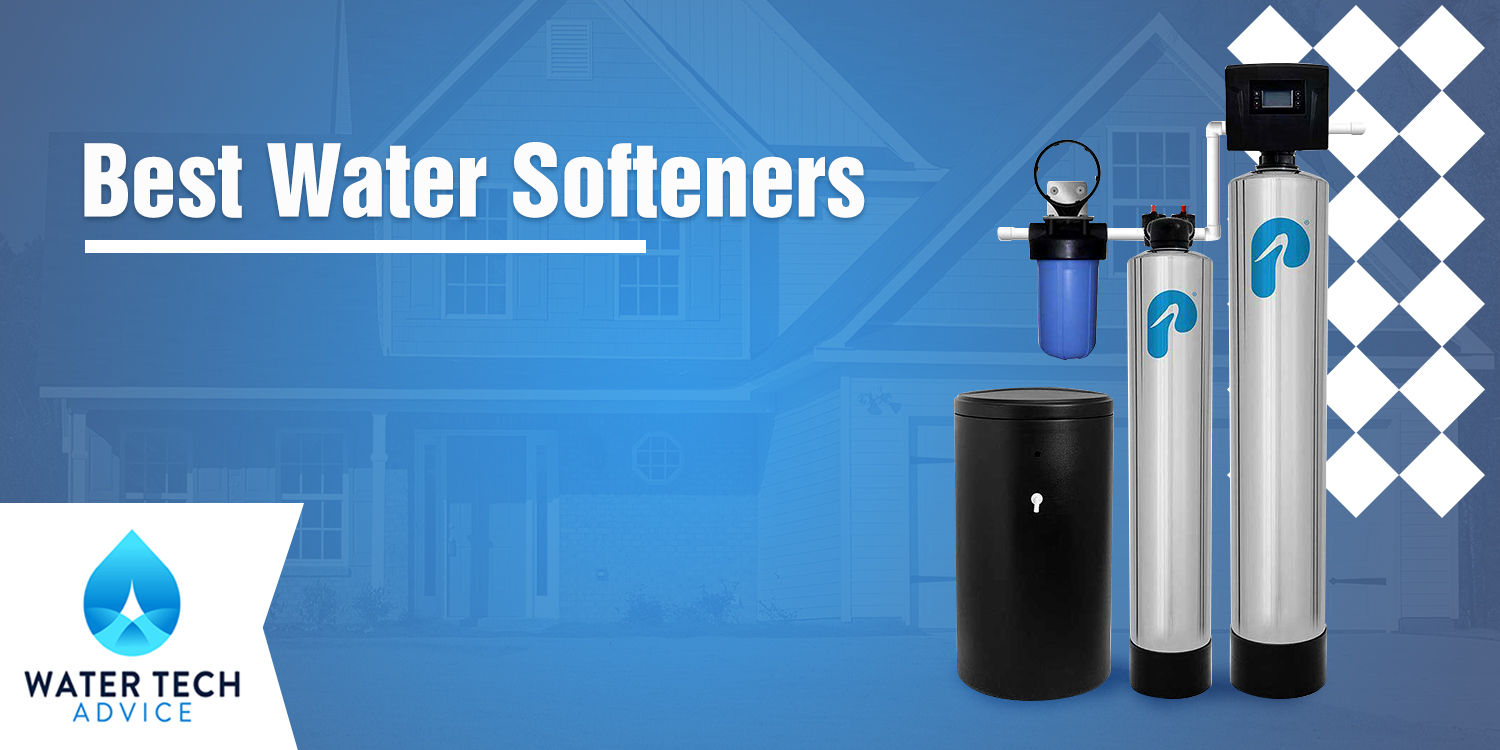 5 Best Water Softeners For Well Water – CBPG
Top Contenders (My Coffee Talk Picks)
Alright, I’ll spill the beans. The Fleck 5600SXT is the darling of well owners everywhere. It’s reliable, easy to fix, and parts are everywhere. It’s like the Toyota Camry of softeners: boring, but it won’t leave you stranded. Pair it with a separate sediment pre-filter, and you’re golden.
If you’re feeling fancy and hate changing filters, look at the SpringWell WHS. It’s a combined system that handles iron, sediment, and hardness in one big, expensive box. It’s overkill for some, but if your water score is 50 grains per gallon? You need the big guns.
For the DIY hero on a budget, the iSpring ED2000 is a solid middle child—not too flashy, not too cheap. It has a digital display that actually works, and it won’t break the bank. Just don’t expect it to filter out heavy metals. It’s a softener, not a magician.
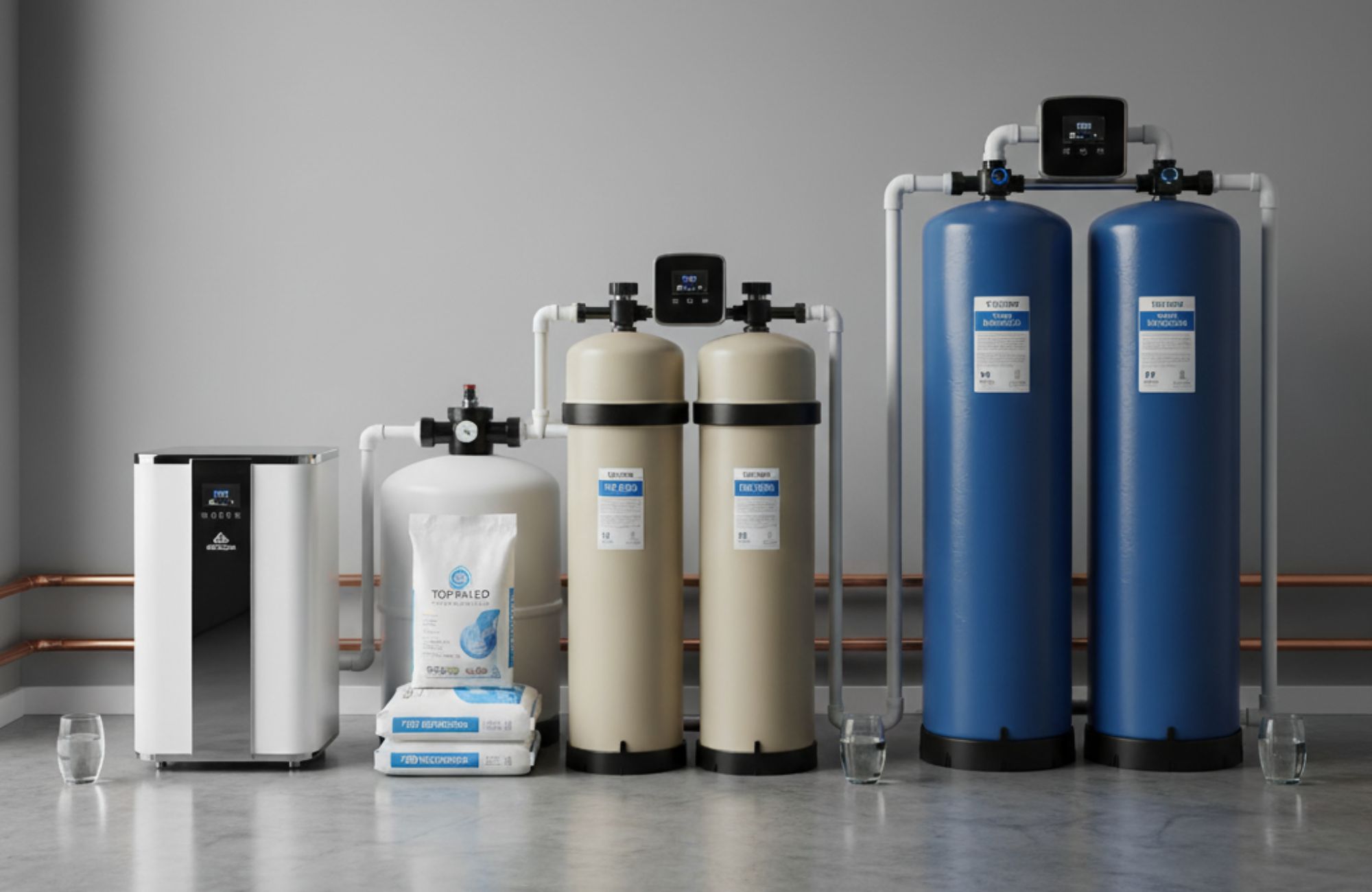 Best Water Softener Systems in Wolcott, CT (2025) - Housatonic Valley
Installation: Are You Brave or Smart?
Installing one of these beasts is doable if you know how to sweat copper pipes. No? Cool. Call a plumber. Seriously, paying $300 for installation is cheaper than flooding your basement because you used tape instead of a proper connection. Been there, fixed that, still own a wet-vac.
Oh, and please put the softener after your pressure tank but before your water heater. You don’t want to soften water for your lawn or garden—plants hate salt. They’re dramatic like that.
Salt: The Unsexy Sidekick
You gotta feed it salt. No way around it. Use solar salt pellets, not the blue block stuff. The blocks can jam up the brine tank, and then you’ll be digging salty sludge out with a spatula. And nobody wants to do that on a Sunday.
 5 Best Water Softener Systems For Well Water: Iron Removal
Also, check the salt level once a month. I know, I know, it’s another chore. But if you let it run dry, the resin gets crunchy and useless. Think of it like feeding a very needy, very useful pet.
The Final Sip of Coffee
Look, finding the best water softener for a well isn’t rocket science. It’s about matching the machine to your water’s sass level. Get a water test kit first—they’re like $15. You need to know how much iron and hardness you’re dealing with. Guessing is for carnival games.
Once you install the right system? Your water will be pure, soft, and delightful. Your skin will stop screaming. Your coffee will taste like coffee. And you’ll finally be able to see yourself in your shower glass. Ah, luxury. You’ve earned it, well-warrior.
