The Best Reverse Osmosis System

Let’s be honest: tap water can be a gamble. Sometimes it tastes like a swimming pool, other times like a rusty pipe that’s been on a long vacation. You find yourself buying bo...
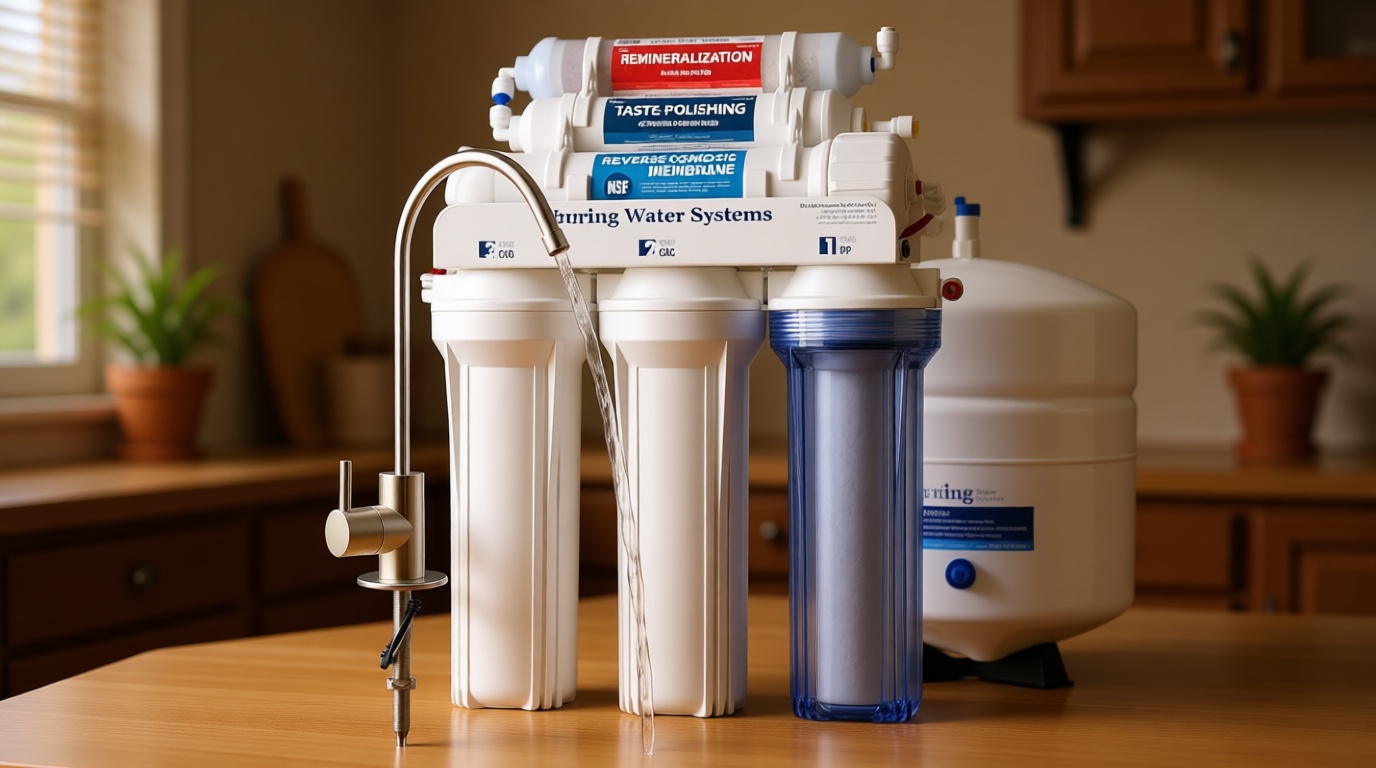
Let’s be honest: tap water can be a gamble. Sometimes it tastes like a swimming pool, other times like a rusty pipe that’s been on a long vacation. You find yourself buying bottled water by the truckload, feeling guilty about the plastic and your wallet.
That’s when you start eyeballing those sleek, mysterious boxes under the sink called reverse osmosis systems. I know, the name sounds like something from a sci-fi movie where water goes through a secret government lab. But trust me, it’s simpler than assembling IKEA furniture—and way less frustrating.
What’s the Big Deal About RO?
Think of a reverse osmosis system as a bouncer at an exclusive club for water. Only the cool, pure H2O molecules get past the velvet rope. Everything else—the chlorine, the lead, the weird mineral taste—gets kicked to the curb.
Must Read
I installed one last year, and my first glass of water tasted like I’d stolen it from a mountain spring. It was so clean, I half-expected a choir of angels to start humming. Now I can’t go back to tap water without feeling like I’m drinking from a garden hose after a drought.
The best part? No more hauling jugs from the grocery store. You know that awkward moment when you’re balancing three gallons of water and a bag of avocados? Yeah, that ends today.
But Aren’t They Complicated?
Here’s the thing people worry about: “Will I need a PhD in plumbing to install this thing?” Nope. Most under-sink systems these days come with color-coded tubes and push-fit connectors. It’s like playing with giant, adult LEGOs—if LEGOs could save you from drinking pool water.
 15 Best Reverse Osmosis Systems for Your Kitchen in 2025 — Clean Water
My neighbor Bob spent a Saturday installing his, and by noon he was sipping purified water and bragging about it. He’s the guy who usually calls a handyman to change a lightbulb. If Bob can do it, you definitely can.
And maintenance? Once a year you swap out a few filters. It’s less work than cleaning your coffee maker, and your coffee will taste spectacular—no more that weird, chalky aftertaste.
The “Pure” Taste Test
I did a blind taste test with my family. I filled one glass with tap water and another with RO water. My ten-year-old immediately pointed to the RO glass and said, “This one tastes like ‘crisp flavor’.” That kid usually eats ketchup on pizza, so his opinion counts.
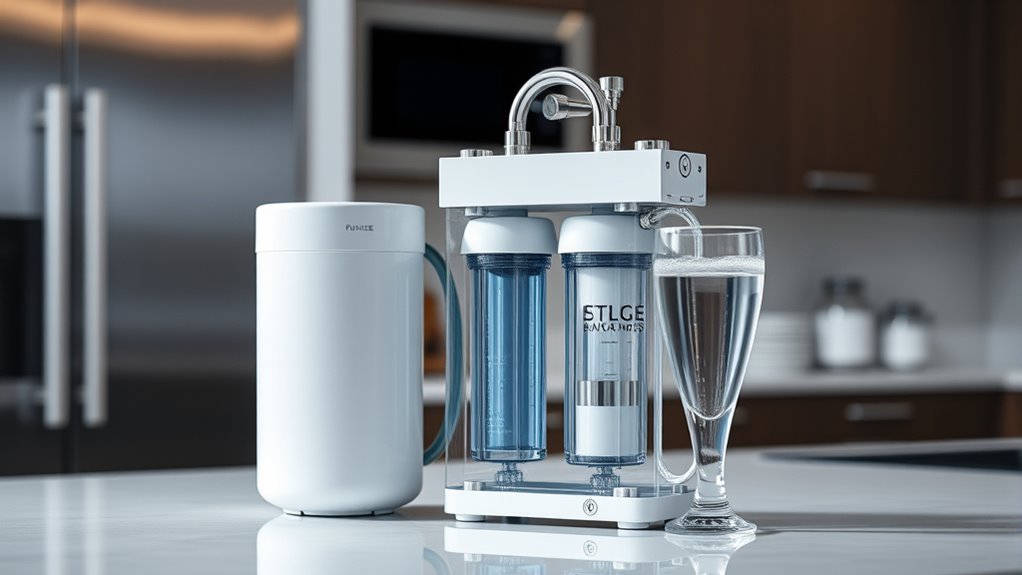 13 Best Reverse Osmosis Systems for Home Water Purification in 2025
Your ice cubes will turn clear and glass-like, not cloudy and sad. Even your dog will notice—mine started drinking from the RO pitcher instead of his dirty paw-licking bowl. That’s a review you can’t fake.
On a practical level, it also means you’ll never have to descale your kettle again. No more scraping white crust off the bottom like you’re mining for ancient calcium. Your tea will thank you, and so will your electric kettle.
What to Look For in a System
You don’t need the fanciest model with Wi-Fi and a water-sommelier app. Look for a system with a decent filter lifespan (six months to a year) and a storage tank that fits under your sink. If you have a big family, get a tank that holds at least three gallons—no one wants to wait for water refills during a hot-dog night cookout.
Pay attention to the membrane—that’s the star of the show. A good one removes up to 99% of contaminants. Also, check if it’s easy to replace filters. Some systems make you twist and scream; others let you pop them out like a cartridge in a printer that actually works.
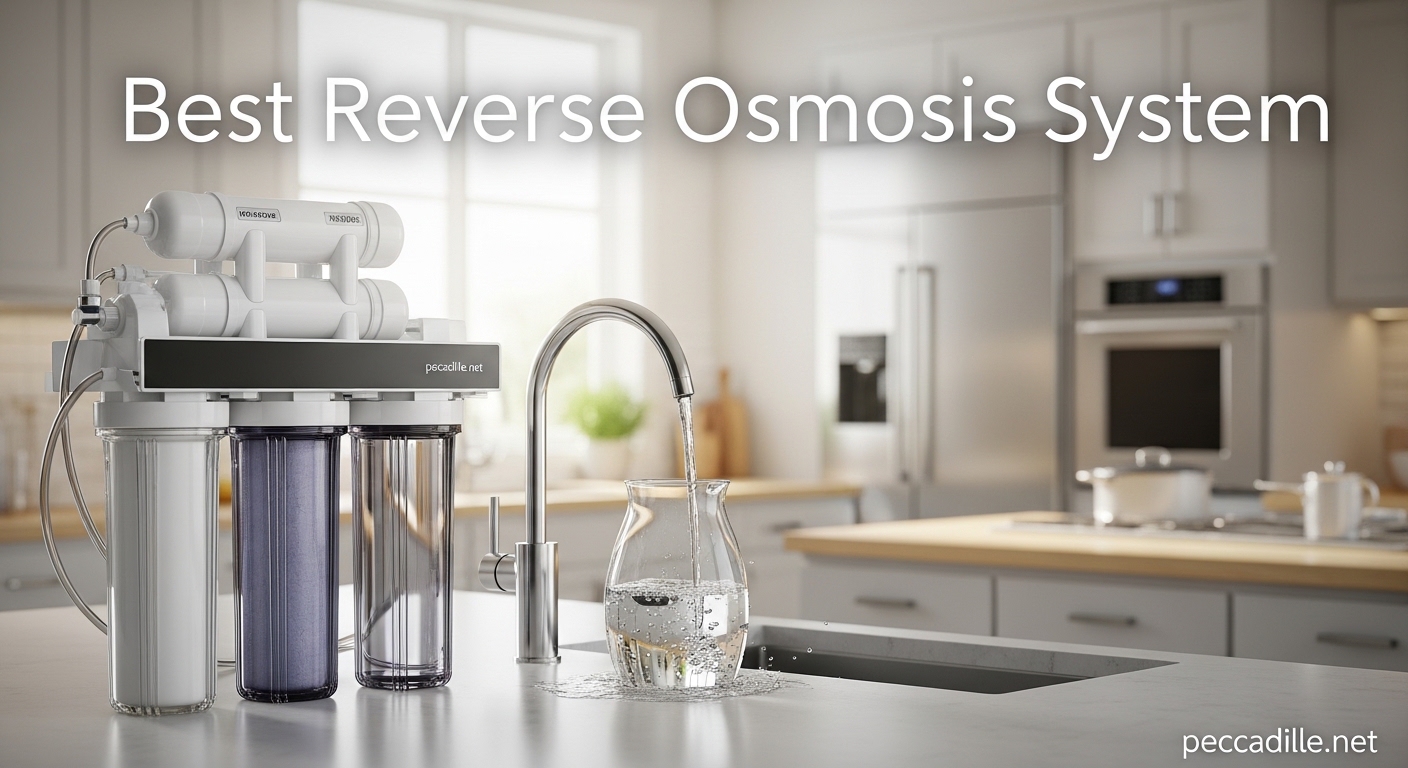 15 Best Reverse Osmosis System (May 2026) Expert Reviews
Budget tip: Avoid the absolute cheapest model you find online. It’s like buying a $20 pair of boots—you’ll be wet and grumpy within a month. Spend just a bit more, and you get peace of mind (and delicious water) for years.
The Elephant in the Room: Waste Water
Yes, reverse osmosis systems produce some waste water—about 3 to 4 gallons for every gallon of purified water. I know that sounds wasteful, but it’s not like you’re flushing it down a gold toilet. Many people divert that waste water to their garden or to a bucket for washing dishes.
Modern systems are getting more efficient, and the newest models are like hybrid cars for your sink—they waste way less. Honestly, when I see my electricity bill for running the AC, I don’t sweat the waste water. It’s a small price for never drinking chlorine again.
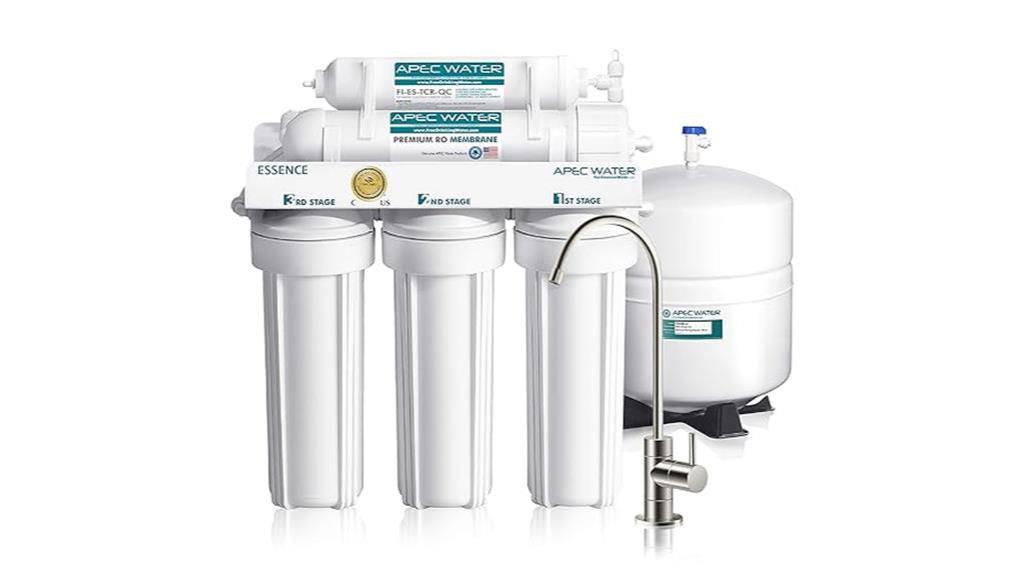 4 Best Reverse Osmosis Systems for Pure Water at Home - 2024 Buyer's
If you really want to nerd out, look for a system with a “permeate pump” that boosts efficiency. But for 99% of us, the standard setup works just fine.
Final Sip of Wisdom
Getting a reverse osmosis system is like upgrading your kitchen from “functional” to “luxurious.” It’s the difference between drinking water that tastes like tap and water that tastes like invigorating bliss. Plus, you’ll save money and save the planet from plastic bottles.
So go ahead, treat yourself. Your taste buds deserve a promotion. And the next time a friend asks, “Where do you get that amazing water?” you can just smile and say, “Oh, it’s just from my reverse osmosis system.” They’ll either be jealous or confused—and either way, you’ll win.
Now go fill up a glass. You’ve earned it.
