Best Filtration System For Home

Let’s be honest: tap water can be a little… mysterious. You know that faint, metallic “twang” you taste sometimes, or that weird film on your ice cubes? You’re not alone. It’s...
Let’s be honest: tap water can be a little… mysterious. You know that faint, metallic “twang” you taste sometimes, or that weird film on your ice cubes? You’re not alone. It’s the same reason I spent three years buying bottled water before I finally admitted I was just paying for fancy, plastic-tasting convenience.
The truth is, a good filtration system for your home isn’t just about fancy gadgets. It’s about taking that weird “maybe I shouldn’t drink this” feeling and turning it into a simple, “Ahh, that’s refreshing.” Think of it as a peace-of-mind upgrade that costs less than your daily coffee habit.
Why Your Kitchen Faucet Deserves an Upgrade
Picture your tap water as a busy highway. It’s full of minerals, chlorine (that pool smell), and tiny sediment particles that nobody invited to the party. A filter is the bouncer at the door, politely showing the riff-raff out.
Must Read
I remember my dad complaining about his coffee tasting “off” for years. He blamed the beans, the machine, even the moon phase. Finally, we stuck a simple pitcher filter on the counter. His first sip? He actually looked surprised. It was the water all along.
You don’t need to be a chemistry nerd to care. You just need to want a glass of water that tastes clean, not like a swimming pool. It’s a small fix that makes a big difference in your daily routine.
The Three Main Contenders (Without the Jargon)
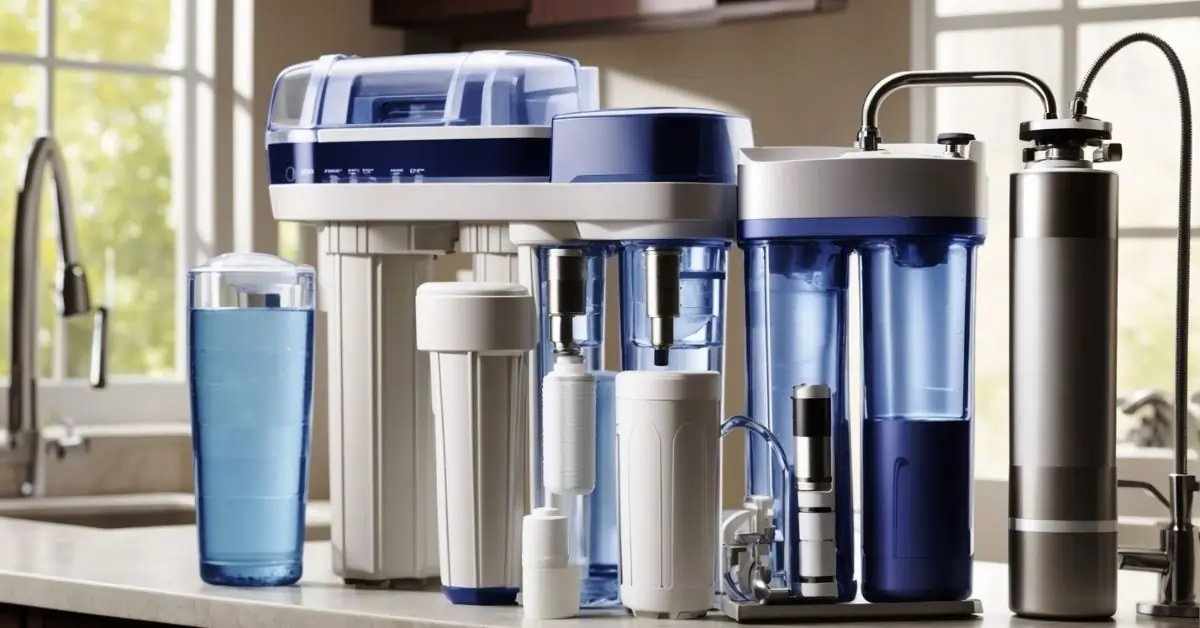
Let’s break down your options without making your head spin. First up is the pitcher filter—the old reliable. It’s the little plastic jug with a white filter that sits in your fridge. It’s cheap, it’s easy, and it’s perfect for that “I just want better water for my tea” kind of person.
 10 Best Whole Home Water Filtration Systems
Next is the faucet-mounted filter. You screw it right onto your spout. It’s a little clunkier, but you get filtered water instantly without waiting for the pitcher to drip. If you’re someone who hates waiting for anything (like me while making pasta), this is your buddy.
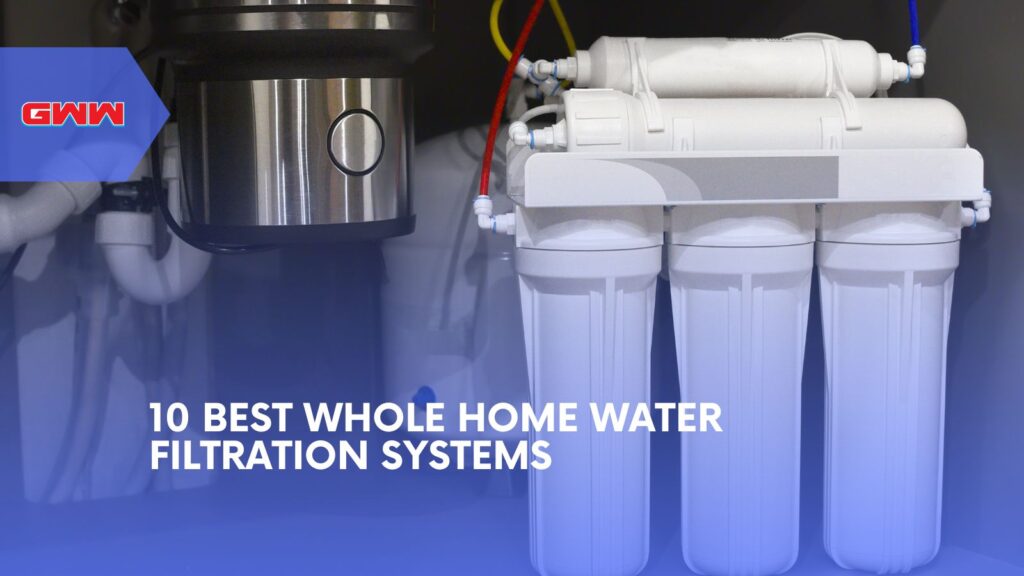
Finally, we have the under-sink system—the big dog. It hides under the cabinet and hooks up to a separate little faucet. It’s a permanent solution that handles a lot more gunk. If you have hard water that turns your shower glass into a foggy mess, this is where you want to end up.
Let’s Talk About the “Real World” Benefits
Here’s the fun part: better water makes everything taste better. Your morning orange juice won’t have that weird chemical aftertaste. Your pasta won’t get that white chalky film. And your iced tea? It will actually taste like tea, not like a science experiment.
 What Is The Best Whole House Water Filtration System | Storables
I have a friend who swore her plants were dying because she had a “black thumb.” Turns out, the chlorine in her tap water was stressing them out. She switched to filtered water, and now her fern looks like it’s on steroids. Your houseplants will secretly thank you.
And let’s not forget the skin factor. Hard water can leave your skin feeling dry and your hair looking dull. A good filter can soften the blow (literally). You might just save money on fancy moisturizers and shampoos.
What to Look For (Without Overthinking It)
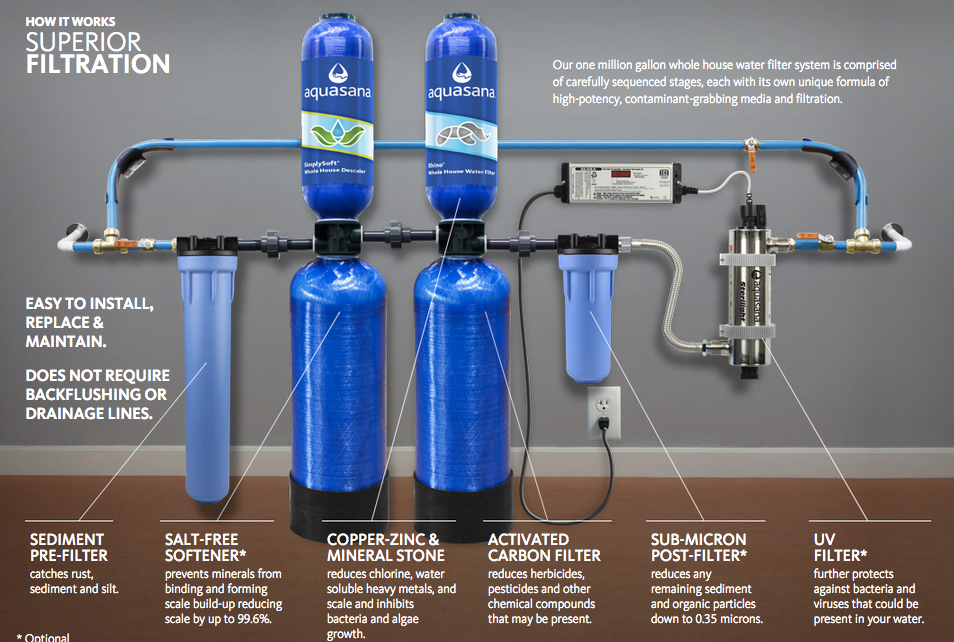
Don’t get lost in the alphabet soup of filter types. The most common is activated carbon. Think of it like a super-powered sponge that soaks up bad tastes and smells. Most pitchers and faucet filters use this, and it works great for the average home.
If you’re dealing with heavy metals (like lead from old pipes), you’ll want a reverse osmosis (RO) system. It sounds intimidating, but it just means the water is forced through a special membrane. It’s the overachiever of filters, and it’s perfect for those in older homes.
 Best Whole House Water Filter System — Guide & Reviews
Look for a NSF certification on the box. That’s just a nerdy way of saying a lab tested it and it actually works. Don’t fall for fancy marketing words like “alkaline” or “ionized” unless you truly know why you need them. Simple carbon is usually enough.
How Much Should You Spend?
You can start for less than $30 with a basic pitcher. It’s the lowest commitment, like dating water instead of marrying it. For a faucet model, you’re looking at $30 to $60. For the under-sink champion, expect to spend $100 to $300, plus installation if you’re not handy with a wrench.
Here’s the math that made me stop buying bottles: a case of water costs about $5. A $30 pitcher filter handles hundreds of gallons. Within a few months, it pays for itself. Plus, you stop lugging heavy plastic from the grocery store, which is a workout I never signed up for.
 Best Home Water Treatment System at Wilfred Mccarty blog
Honestly, the best filter is the one you actually use. If a fancy under-sink system intimidates you, get the pitcher. If you hate refilling things, get the faucet mount. It’s not about being perfect; it’s about stopping that dull “committee” taste in your tap.
A Gentle Push to Get Started
Go fill a glass from your tap right now. Take a sniff. If it smells like a hotel pool, you have your answer. A filter isn’t a luxury—it’s just a way to make your everyday water feel like a treat.
Think of it this way: you don’t eat stale crackers every day. So why drink water that’s been sitting in pipes, collecting dust and chemicals? You deserve a crisp, clean glass of water. And your future self—the one making morning coffee or watering that sad fern—will be incredibly grateful.
So go ahead. Give your tap a little upgrade. Your taste buds, your wallet, and your houseplants are all in on this. Cheers to that first, perfect sip.
