How Long Should Water Boil To Kill Germs

So, you’re staring at a pot of water, wondering if you’re a science hero or just boiling pasta. It’s a fair question: how long should water boil to kill germs? Let’s get this...
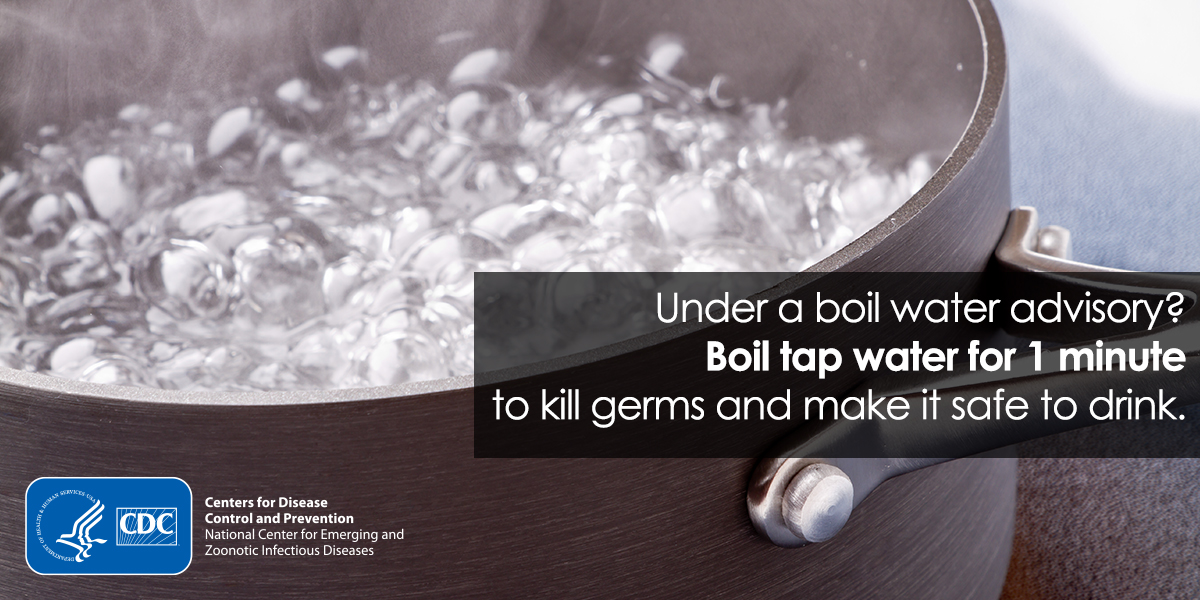
So, you’re staring at a pot of water, wondering if you’re a science hero or just boiling pasta. It’s a fair question: how long should water boil to kill germs? Let’s get this sorted without turning your kitchen into a chemistry lab, okay? Grab a snack, and let’s chat.
The Magic Number (Spoiler: It’s Not 10 Minutes)
Here’s the truth that might blow your mind: water doesn’t need to boil for hours to nuke those nasty germs. The World Health Organization says a rolling boil for just one minute is enough at sea level. Yes, one minute—you could boil an egg in less time than it takes to argue about it with your roommate.
Why so fast? Germs are wimps when it comes to heat. At 212°F (100°C), water hits the temperature that makes bacteria, viruses, and protozoa throw in the towel. It’s like their version of a hot yoga class—except they really don’t survive it.
Must Read
But wait—there’s a catch. If you’re camping at 5,000 feet or higher, boiling point drops. So, add an extra minute for every 1,000 feet above sea level. That’s three minutes at 5,000 feet. Think of it as altitude training for your water.
The “But What About…” Trap
A friend once asked, “Doesn’t boiling for 20 minutes kill more germs?” Gently, I said, “Stop overachieving, Karen.” Over-boiling doesn’t make the water “deader”—it just wastes energy and might concentrate minerals or impurities. One minute is your golden ticket. Any longer, and you’re just boiling off the steam for fun.
What about Cryptosporidium or Giardia—those creepy-crawly parasites from streams? They’re tougher, but one minute still does the job. They just need a little extra toastiness. So, relax: your H2O is safe.
Pro tip: Bringing the water to a full, roiling boil—not just tiny bubbles—is the key. Those big, happy bubbles mean the water is at its hottest. If it’s just “simmering grumpily,” wait until it’s dancing.
What About Tap Water?
If you’re boiling tap water because you’re paranoid about the pipes, you’re probably fine without it. Municipal water is treated, so it’s already germ-free. Boiling becomes a hobby, not a necessity. But hey, if it gives you peace of mind, boil away—just don’t tell your killing-time goddess complex.
However, if you’re on a well or after a storm, boiling is smart. The CDC says boil-water advisories often recommend a full minute. So, set a timer, and avert your eyes from the clock. It’s literally the easiest chore you’ll do all day.
One more thing: let the water cool naturally before drinking. I know, you’re impatient—we all are. But gulping boiling water is a different kind of emergency. You can accelerate cooling by pouring it between clean cups, but maybe don’t juggle it.
Urban Legends: The “5-Minute Rule” and Microwave Ovens
Your grandma’s advice to boil for five minutes? Sweet, but wrong for most situations. In old times, people boiled longer because they were worried about everything. We’ve evolved. Unless you’re boiling water for a Viking funeral, one minute is the new five.
And the microwave? Yep, you can kill germs in the microwave, but be careful. Water can superheat—it gets hotter than boiling without bubbling, then explodes when you touch it. That’s a surprise party nobody wants. Stick to a pot or kettle; it’s safer and you won’t look like a mad scientist.
 How long you must boil drinking water to Kill Bacteria
If you do use a microwave, stir in a wooden spoon or a clean chopstick to prevent superheating. And never, ever microwave water for longer than a few minutes unless you enjoy cleaning up a mess and reassembling your eyebrows.
Should You Boil Water for Baby Formula?
This one’s serious, so listen up. The CDC recommends boiling water for powdered baby formula because it kills Cronobacter, a rare but scary germ. Boil it for one minute, then let it cool to 158°F (70°C)—about 30 minutes—before mixing. That temperature kills any hitchhikers without cooking the formula.
Yes, you have to wait. I know, babies are impatient, but so is bacteria. Use a clean thermometer if you’re a Type A parent; otherwise, roughly 30 minutes of cooling does the trick. Or, just use ready-to-feed formula and skip the drama.
Once the formula is made, use it within two hours or refrigerate it. Germs love a lukewarm buffet. Don’t give them a party invitation.
What About Those “Boil-Only” Kettle Instructions?
Ever read the manual for a camping kettle? They say “boil for 10 minutes” to kill germs. Ignore that. That’s for when you’re using a solar or ancient fire method that might not keep the water at a steady boil. Modern stoves? One minute is plenty. You’re not a pioneer crossing the Oregon Trail.
But if you’re boiling for water purification tablets (for fun, maybe?), the rule changes. Tablets need 30 minutes of contact time after the water is boiled. That’s overkill, but hey, sometimes you just want to feel prepared for a zombie apocalypse.
The Final Bubble
Here’s the uplifting truth you didn’t know you needed: You don’t have to stress about boiling water. It’s one of the easiest, most foolproof ways to stay healthy. One minute. That’s it. You’re already a certified water-sanitization wizard.
So, the next time you boil water, give it a little salute. You’re not just making tea or pasta—you’re waging a tiny, victorious war against invisible invaders. And you’ll win every single time. Now go enjoy your safe, delicious water. You earned it, you magnificent bubble-master.
Remember: boil for one minute, let it cool, and then drink up. Laugh at the old myths, smile at your chemistry skills, and never, ever boil for longer than your favorite meme can load. Cheers to simple, germ-free joys!
