Where Do You Put Water In A Coffee Maker

Okay, let’s be real for a second. You just bought a shiny new coffee maker, or maybe you’re staring at a friend’s complicated machine. And you’re thinking, “Where on earth doe...
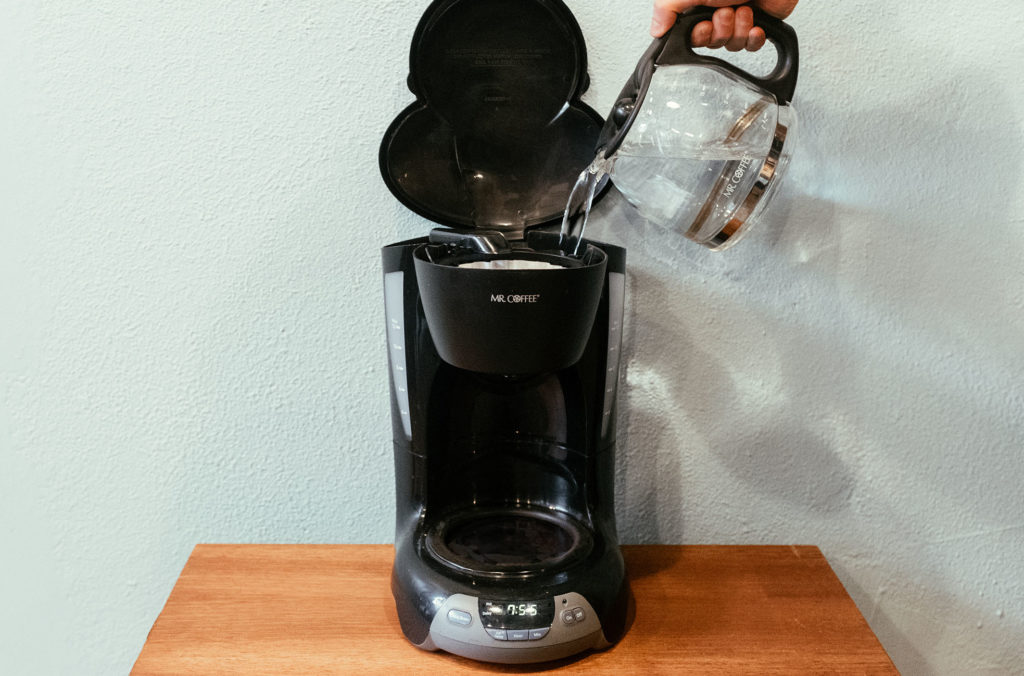
Okay, let’s be real for a second. You just bought a shiny new coffee maker, or maybe you’re staring at a friend’s complicated machine. And you’re thinking, “Where on earth does the water go?” It’s a fair question. You’re not alone in this caffeinated confusion.
I’ve seen people pour water straight into the coffee filter. Don’t laugh—it happens more than you’d think. They end up with a sad, watery mess and a lot of regret. So let’s clear this up before you ruin your morning brew.
The short answer is simple: you put water in the water reservoir. It’s usually a big, obvious tank, often on the back or side of the machine. It might be a clear plastic jug that lifts out, or a fixed tank with a flip-top lid. Look for the little marks that say “Max Fill” or “8 Cups.” That’s your target.
Must Read
Where’s That Darn Reservoir, Though?
Let’s get specific, because coffee makers are sneaky. On a standard drip machine, it’s the big, transparent container at the back. You know, the one that looks like a fish tank for tiny, invisible fish.
If you have a single-serve pod machine—like a Keurig or Nespresso—the water goes into a smaller, removable tank. It’s usually on the side or at the back, and you pop it off, fill it at the sink, then snap it back in. Easy peasy.
And if you’ve got a fancy espresso machine? Pay attention. The reservoir is often hidden behind a panel or at the base of the machine. You might need to pull out a little drawer. Don’t panic—it’s in there, I promise.
Common Mistakes That Will Ruin Your Day
So, you found the tank? Great. Now don’t do the dumb thing. Never put water where the coffee grounds go. That’s the filter basket. It’s for grounds only. Water there = coffee soup. No thanks.
Also, avoid pouring water into the warming plate area. That little hot surface under the carafe? It’s not a swimming pool. It’s for keeping your coffee hot. Flood it, and you’ll get sizzling steam and a short-circuited mood.
Finally, don’t ignore the fill lines. Those marks on the side of the tank? They’re not decorative. Fill past the “Max” line, and you’ll have water spilling everywhere when it heats up. It’s a mess, and you’ll be mopping while your coffee gets cold.
But Wait—What About Temperature?
Here’s a hot tip that nobody talks about. Use fresh, cold water from the tap. Hot water from the faucet can have off flavors or even metallic residue from your water heater. You’re making coffee, not soup. Cold water brews better.
Filtered water is even better. Hard water with lots of minerals will gunk up your machine over time. Nobody wants descaling duty. But if you’re in a rush, tap water is fine—just don’t use the stuff that’s been sitting in the kettle for days.
 Where Do You Put Water in Coffee Maker? My Easy & Simple Fix
And for the love of caffeine, don’t used distilled water. It tastes flat and won’t extract flavor well. Your coffee will taste like a sad, watery handshake. We deserve better.
What If You Have a French Press or Pour-Over?
Wait, you’re not using a machine at all? Then this whole conversation changes. For a French press or pour-over, you add water directly to the grounds in the carafe or cone. No reservoir. Just you, hot water, and a timer.
But those are purist methods. For most of us, the coffee maker is a magical box that does the work. You’re just the water-filler-upper. So find that tank, fill it with cold water, and let the machine do its thing.
If you’re still lost, flip the manual open. I know, nobody reads manuals. But even one glance at a diagram will save you from a kitchen catastrophe. Or just text a coffee-loving friend. We’re always here to help.
One Last Weird Thing
Some coffee makers have a water window on the front. It’s just a tube showing the water level. Don’t pour water into that window—that’s just a gauge. The actual water goes into the tank behind it. Yes, I’ve seen people try. It ends poorly.
Also, if your machine has a “Clean” or “Descale” cycle, don’t use it for brewing. That setting usually runs a vinegar or cleaning solution through the system. You don’t want vinegar coffee. Trust me, it’s a lesson you only learn once.
So, to wrap this up like a warm coffee cozy: find the reservoir, fill it with cold, fresh water to the right line, and never put water in the filter basket. You’re now a coffee maker expert. Go forth and brew.
And if you still mess it up? Just blame the machine. We’ll back you up. Cheers, friend.
