What Are Inorganic Contaminants In Water

So, picture this: I’m at my friend’s kitchen, and she proudly hands me a glass of water from her new, fancy filter pitcher. “Look how clear it is!” she says, beaming. I take a...
So, picture this: I’m at my friend’s kitchen, and she proudly hands me a glass of water from her new, fancy filter pitcher. “Look how clear it is!” she says, beaming. I take a sip, nod politely, but in my head I’m thinking, “Is this really better, or did I just drink a science experiment?” Because here’s the thing: clear water isn’t always clean water, and that’s where inorganic contaminants sneak in.
Let’s get one thing straight—inorganic contaminants aren’t alive like bacteria or viruses. They’re not little critters swimming around. Nope, they’re chemical elements or compounds that come from minerals, rocks, or industrial waste. Think of them as the silent, invisible party crashers in your glass.
So, what exactly are they?
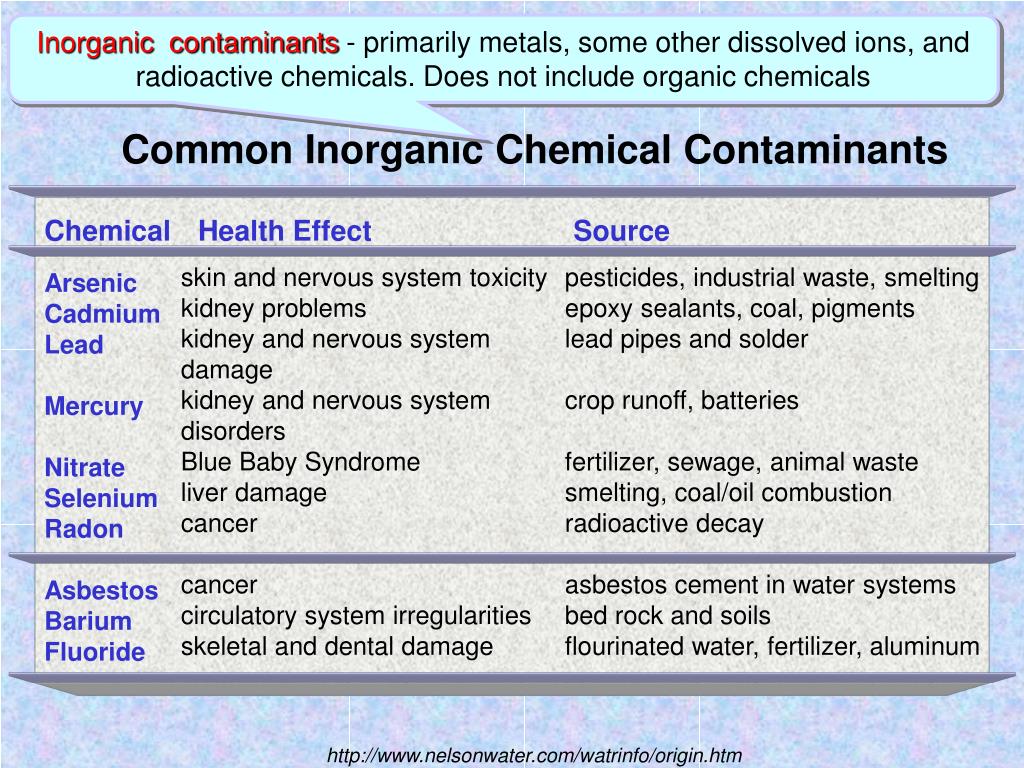
Inorganic contaminants are substances like lead, arsenic, nitrate, fluoride, and mercury. They don’t contain carbon, which is why they’re called inorganic—boring chemistry talk for “not from living things.” But don’t let “not alive” fool you; these guys can be nasty in high doses.
Must Read
Where do they come from? Well, some show up naturally through rock and soil erosion. Others? Blame us—agriculture runoff, industrial discharge, or old pipes. Ever heard of Flint, Michigan? That’s the big, tragic example of lead leaching from aging infrastructure. (Yeah, not exactly a story you want at your dinner party.)
The usual suspects: heavy metals and minerals
Let’s start with lead. It’s a neurotoxin, which means it messes with your brain—especially in kids. The scary part? You can’t taste, see, or smell it. It’s like a spy in your glass, but way less cool. Then there’s arsenic, which occurs naturally in some groundwater; it’s linked to cancer and skin lesions. Yikes.
Another common one? Nitrates—they hitch a ride from fertilizers and septic systems. In babies, high nitrate levels can cause “blue baby syndrome,” which is as terrifying as it sounds. Fluoride is interesting because it’s added to water on purpose to fight cavities, but too much can stain your teeth or cause bone issues. (So it’s a friend and a frenemy, like that coworker who’s helpful but talks too loud.)
How do they get into your water?
Imagine rain falling on soil, dissolving minerals like arsenic or uranium, then trickling into your well—that’s the natural path. For human-caused contamination, think old mining sites leaking heavy metals or factory waste sneaking into rivers. Even your own home’s plumbing can be a culprit if it’s pre-1986 and uses lead pipes or solder.
The irony? Municipal water treatment plants are pretty good at removing many inorganic contaminants, but they can’t fix what happens inside your walls. So the water leaving the plant might be pristine, but the pipes in your basement? That’s a different story. Always test your tap if you live in an older house.
 PPT - Introduction to Water Pollution PowerPoint Presentation, free
Are they dangerous? It depends on the dose.
Here’s the tricky part: some inorganic elements, like selenium or zinc, are actually essential in tiny amounts. But once they cross a certain threshold, they turn toxic. That’s why the EPA sets Maximum Contaminant Levels (MCLs)—basically, the “safe limit” for each one. For example, the MCL for arsenic is 10 parts per billion, which is roughly half a grain of salt in an Olympic swimming pool. Mind-boggling, right?
But here’s the kicker: long-term exposure to even low levels can be a problem. Scientists are still arguing about how much is really safe. So while you shouldn’t panic, you should be curious. Ignorance isn’t bliss when it comes to heavy metals.
How do you protect yourself without losing your mind?
First, check your local water quality report. Your utility is legally required to send one annually—it’s boring reading, but gold for info. If you’re on a private well, get it tested every year for nitrates and heavy metals. That’s non-negotiable, folks.
For home filtration, options vary: reverse osmosis systems tackle most inorganics, including fluoride and lead. Carbon filters? They’re great for taste and chlorine, but they won’t remove arsenic or nitrates. So read the fine print before you buy that fancy pitcher from the trendy store.
The bottom line: stay informed, not scared
Inorganic contaminants sound like a chemistry behemoth, but really, they’re just part of the water story—like the rocks and pipes and history of your area. The goal isn’t to achieve “zero contaminants” (impossible, unless you want distilled, lifeless water). Instead, aim for a level that’s safe and tested.
So next time you raise a glass, think about that invisible mineral journey. And if you’re feeling extra curious, maybe skip the filter advertising and grab a test kit instead. Because knowing what’s in your water is the first step to actually trusting it. Cheers to that—clarity over hype, always.
