Are Refrigerator Water Filters Effective

So, you’re staring at your fridge’s blinking water filter light, wondering if it’s actually doing anything magical to your water. Is it worth the replacement cost, or are you...

So, you’re staring at your fridge’s blinking water filter light, wondering if it’s actually doing anything magical to your water. Is it worth the replacement cost, or are you just paying for a fancy plastic tube? Let’s kick back and explore the cool, hidden world of refrigerator water filters together.
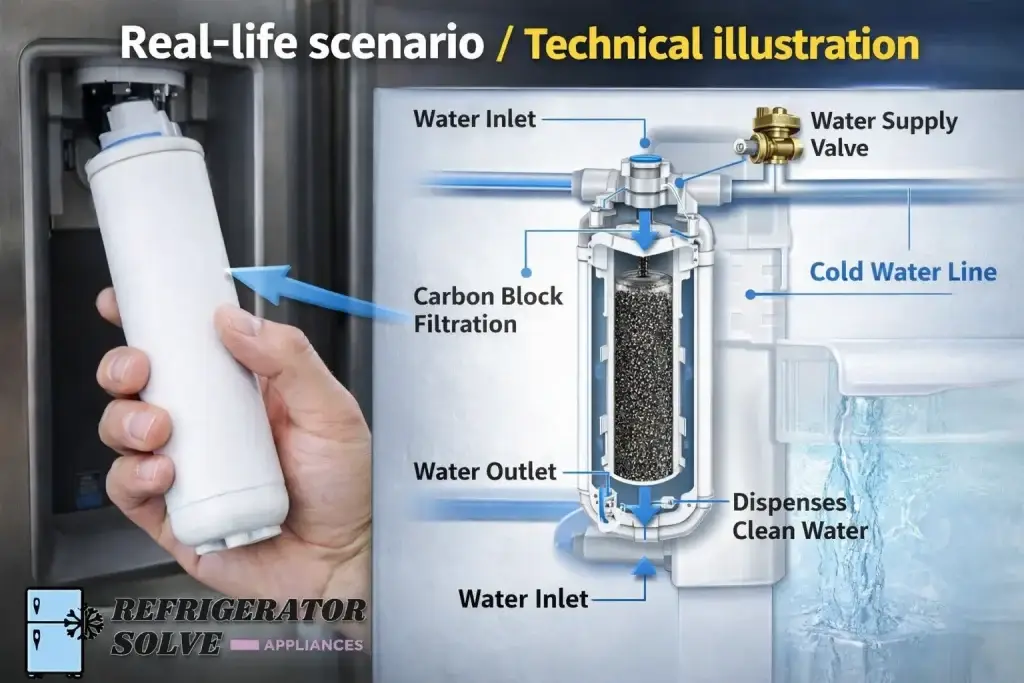
Think of your fridge filter like a bouncer at a fancy club. It’s standing guard at the door, deciding which microscopic particles get to party in your glass. Without it, your tap water might be carrying chlorine, sediment, or even a hint of that weird earthy taste from the pipes. The filter’s job is to say, “Not today, weird stuff.”
But does it actually work? In a word, yes—but only if you’re asking the right questions. Most standard fridge filters are great at removing chlorine, lead, and mercury, which are the usual suspects for bad taste and health concerns. It’s like having a personal assistant who filters out the junk mail from your daily water delivery.
Must Read
The Good Stuff vs. The Fancy Stuff
Here’s where it gets interesting: not all filters are created equal. Your average refrigerator filter (the one that fits your Samsung or Whirlpool) is certified to handle big, chunky contaminants. But can it stop viruses or bacteria? Nope—that’s like expecting a window screen to stop a mosquito wearing a jetpack. For that, you’d need a fancy reverse osmosis system.
So, what’s the point? For 99% of us, the fridge filter makes water taste crisp and clean, like the difference between a store-bought lemonade and one that’s been sitting in the sun for a day. You know that weird “swimming pool” smell in tap water? A good filter kicks chlorine to the curb.
But Wait—Is It Actually Filtering Everything?
Here’s the sneaky truth: many fridge filters don’t touch fluoride or pharmaceutical residues. It’s like a superhero who can bend steel but can’t fly. If you’re worried about those, you’ll need a purifier with activated carbon or a reverse osmosis stage. But for everyday drinking, cooking, and making coffee, it’s probably overkill.
Let’s do a fun comparison: Your fridge filter is like a colander for spaghetti—it catches the big stuff (sand, rust, lead) but lets the tiny flavors through. The fancy under-sink system is a French press that traps everything, even the subtle notes. Most people only need the colander.
The “Eww” Factor: What Happens If You Ignore It?
Here’s where it gets grossly fascinating. If you don’t change your filter every six months, it becomes a petri dish party. Bacteria and mold can start growing on the trapped gunk, and then you’re basically drinking from a swamp with a fancy straw. Think of it like wearing the same gym socks for a year—eventually, it’s doing more harm than good.
 Are Fridge Water Filters Necessary? The Truth Most People Miss
But don’t panic. Your water probably won’t make you sick, but it might start tasting like old cardboard. And that “clean” feeling? That fades fast. A stale filter is like a sponge that’s already soaked up all the dirt—it can’t hold any more, so it just releases the gunk back.
Should You Bother?
Honestly, if you’re living in a city with decent tap water, a fridge filter is a luxury upgrade, not a necessity. It’s like getting a heated car seat—you don’t need it to drive, but once you have it, you wonder how you lived without. The taste difference is real, especially if your local water has that metallic edge or a hint of sulfur.
But if you have well water or live near a factory? Then yes, the filter is your best friend. Just remember to check the label: look for NSF/ANSI Standard 42 (for taste) and Standard 53 (for health). That’s like looking for a “certified organic” sticker on your food.
The Verdict (No Drama)
So, are refrigerator water filters effective? Yes, for taste and basic health threats. No, for microscopic superhero-level purification. They’re a solid middle ground—better than nothing, but not a magic wand. Think of them as the convenience version of a Brita pitcher, but with fewer plastic cartridges to forget about.
Bottom line: If you enjoy the ritual of pouring a tall glass of cold, crisp water without that faint “pool” aftertaste, it’s worth it. Just set a calendar reminder to swap the filter every six months, and you’re golden. Your taste buds will thank you, and your fridge will stop blinking that annoying light. Cheers to making hydration feel fancy!
