Reverse Osmosis Water Filter System Cost

So, you’ve decided to become a water snob. Congratulations! You’re tired of tap water that tastes like a swimming pool’s leftover laundry day, and you’re ready to join the ran...
So, you’ve decided to become a water snob. Congratulations! You’re tired of tap water that tastes like a swimming pool’s leftover laundry day, and you’re ready to join the ranks of people who casually say things like, “This H₂O really has a crisp finish.” But then you Google “Reverse Osmosis Water Filter System Cost,” and your wallet starts hyperventilating. Welcome to the wild world of RO, where the price tag can range from “that’s a decent night out” to “that’s a used Honda Civic.”
The Bargain Basement Bet ($150 – $300)
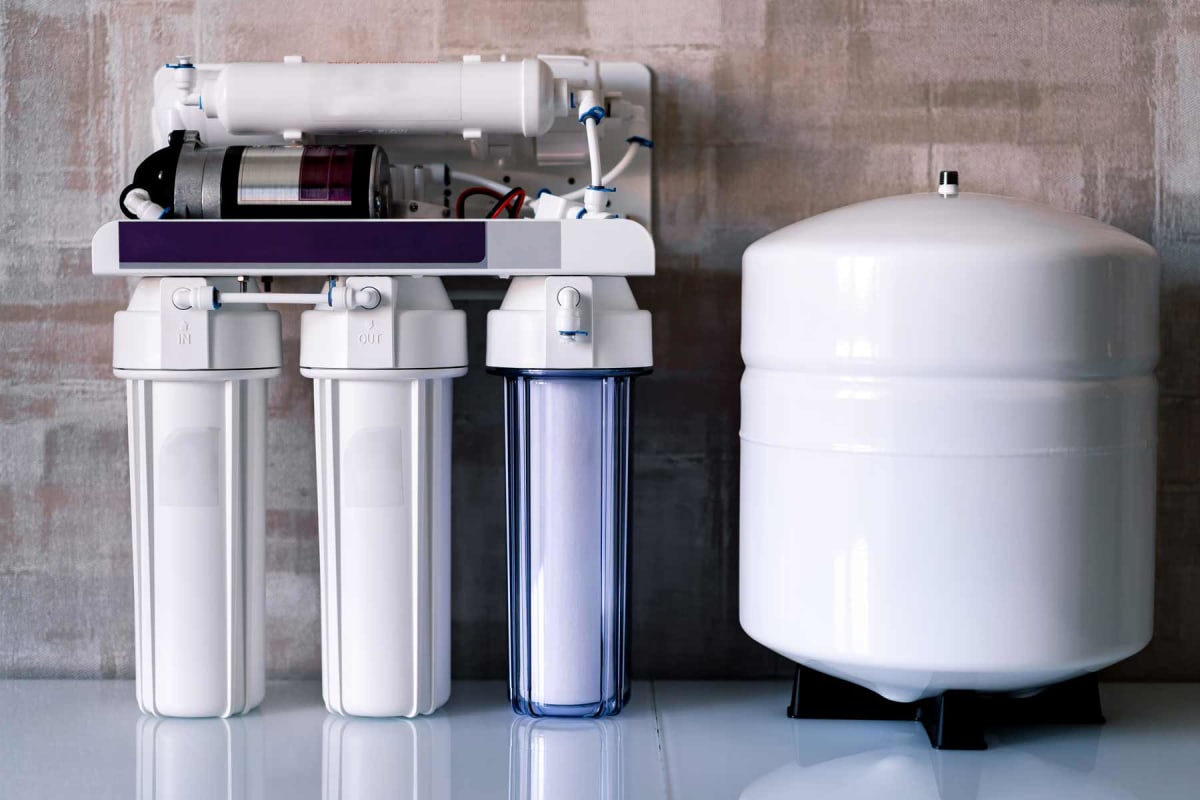
Let’s start with the “I’m just dipping my toe in the purity pool” price range. For about $150 to $300, you can get a countertop or under-sink system that looks like it was designed by a teenager who loves plumbing. These little guys work, but they come with a catch: they’re about as fast as a sloth on a coffee break. You’ll be waiting 20 minutes for a glass of water, and the plastic fittings might start weeping before your third birthday.
One surprising fact: even these cheap systems remove up to 99% of contaminants. They’ll strip out lead, chlorine, and that weird “taste of regret” from your old pipes. But don’t expect them to last forever. Think of them as the dating phase of water filters – fun, cheap, but you’ll eventually want a commitment. Also, the filters need changing every six months, which adds about $50 a year. Suddenly that “cheap” water isn’t feeling so frugal.
Must Read
The Goldilocks Zone ($400 – $700)
Ah, the sweet spot. This is where you find the classic under-sink RO system with a storage tank. It’s the minivan of water filters – reliable, boring, and gets the job done without making a fuss. For about $500, you get a system that actually has decent flow and doohickeys like a sediment filter and a carbon block. It’s the difference between sipping water through a straw and chugging it like a frat boy at a kegger.
Here’s the kicker: these systems waste a shocking amount of water. For every gallon of pure water, they send three to four gallons down the drain. I’m not joking – your sink is secretly running a miniature water park for ghosts. The good news? Newer “permeate pump” models cut that waste in half. But if you live in a drought-prone area, your lawn might start judging you. Also, the installation is a DIY nightmare unless you enjoy contorting your body under a sink while muttering words your mother wouldn’t approve of.
The Luxury Tank System ($800 – $1,500)
Now we’re talking high society water. These are the tankless, direct-flow systems that look like a sleek sci-fi prop bolted to your sink. They produce water on demand, so no more waiting for a tank to fill while you die of thirst. Brands like Waterdrop or APEC will cost you a cool $900, but they come with fancy features like UV sterilization and “filter life meters” that text you passive-aggressive reminders.
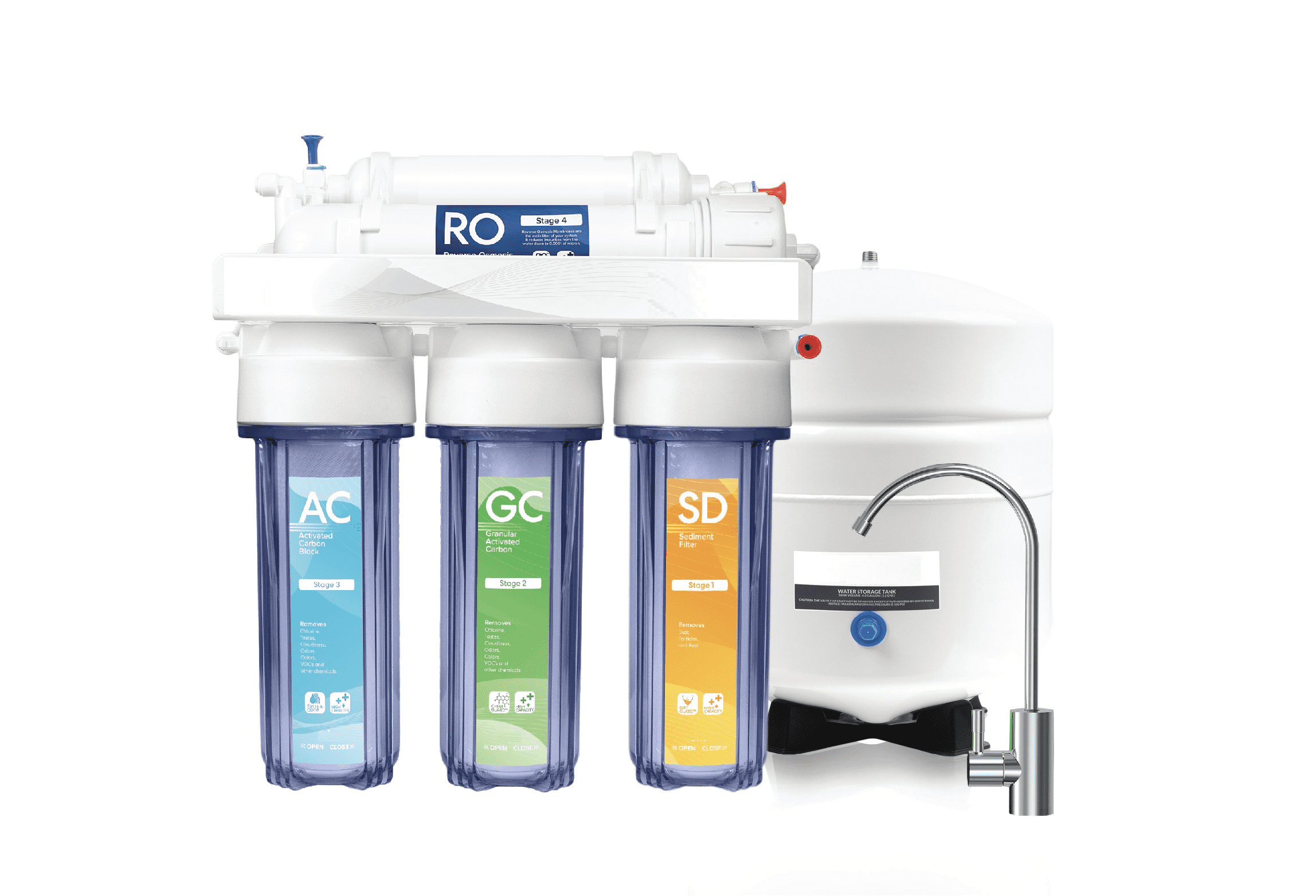 Cost Of Reverse Osmosis Drinking Water System at Therese Arnold blog
Surprising fact: some of these systems remove fluoride and even microplastics. Yes, you can finally drink water that hasn’t kissed a plastic bottle since birth. But the cost doesn’t stop at purchase. Replacement filters for these babies run $100 to $200 a year. And if you’re not handy, professional installation can add another $200. That’s a lot of money for water that still comes out of your tap. Your friends will be impressed, though, until they realize you can’t afford to invite them over for dinner anymore.
The “Whole House or GTFO” Level ($2,000 – $4,000+)
This isn’t just a filter; it’s a water overhaul. For two grand or more, you can install a whole-house RO system that purifies every faucet, showerhead, and toilet in your home. You’ll be washing your car with water that’s purer than most pharmacies. But here’s the brain-melting truth: this system requires a separate storage tank the size of a small refrigerator, and it eats electricity like a hungry teenager.
The real joke? You’d think spending $3,000 would get you unlimited water, but these systems often produce a trickle at high usage. You’ll be screaming at your spouse, “Stop showering! You’re using all the premium water!” And the filters? They cost as much as a plane ticket. But hey, your water is so pure it can cure existential dread – or at least make your coffee taste like a hug from an angel.
The Hidden Cost You Forgot (Time and Patience)
Here’s the surprise punchline: no matter how much you spend, you’ll still have to deal with filter changes, membrane cleanings, and occasional leaks that turn your under-sink cabinet into a swamp. I once spent a Saturday crying over a tiny o-ring. The average RO system lasts 10-15 years, but the mental toll? Priceless. So, ask yourself: do you want perfect water, or do you want to keep your sanity? For most of us, a $40 Brita pitcher is perfectly fine. For the rest… welcome to the cult.
