Difference Between Iced Coffee And Latte

It was a Tuesday morning, the kind where your brain is still running on dial-up. I shuffled into my local café, eyes half-mast, and mumbled the sacred order: “An iced latte, p...
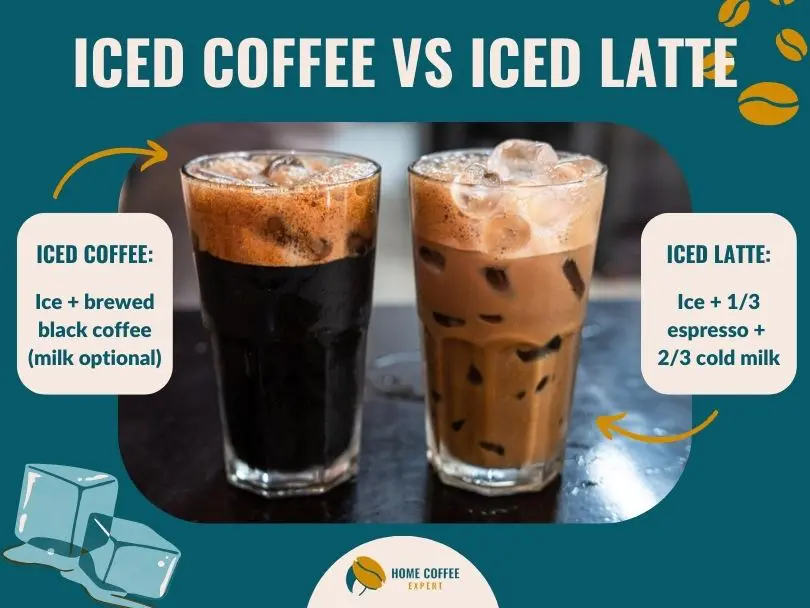
It was a Tuesday morning, the kind where your brain is still running on dial-up. I shuffled into my local café, eyes half-mast, and mumbled the sacred order: “An iced latte, please.” The barista, a saint with a septum piercing, gave me a knowing look. “You mean an iced coffee?” she asked, holding up two very different cups.
I froze. Was there a difference? Was I about to commit a caffeinated crime? Let’s just say I learned the hard way that day. So, grab your favorite mug (or takeaway cup), because we’re diving into the frosty, confusing world of iced coffee versus a latte.
The Basics: What Actually Happens?
Let’s start with iced coffee. It’s exactly what it sounds like: hot coffee that’s been brewed and then poured over ice. Simple, right?
Must Read
Think of it as your regular morning drip coffee, but with a personality transplant—it’s cooler, faster, and a bit more intense. The ice doesn’t just chill it; it dilutes it slightly, which can actually mellow the bitterness. It’s the no-nonsense cousin of the coffee world.
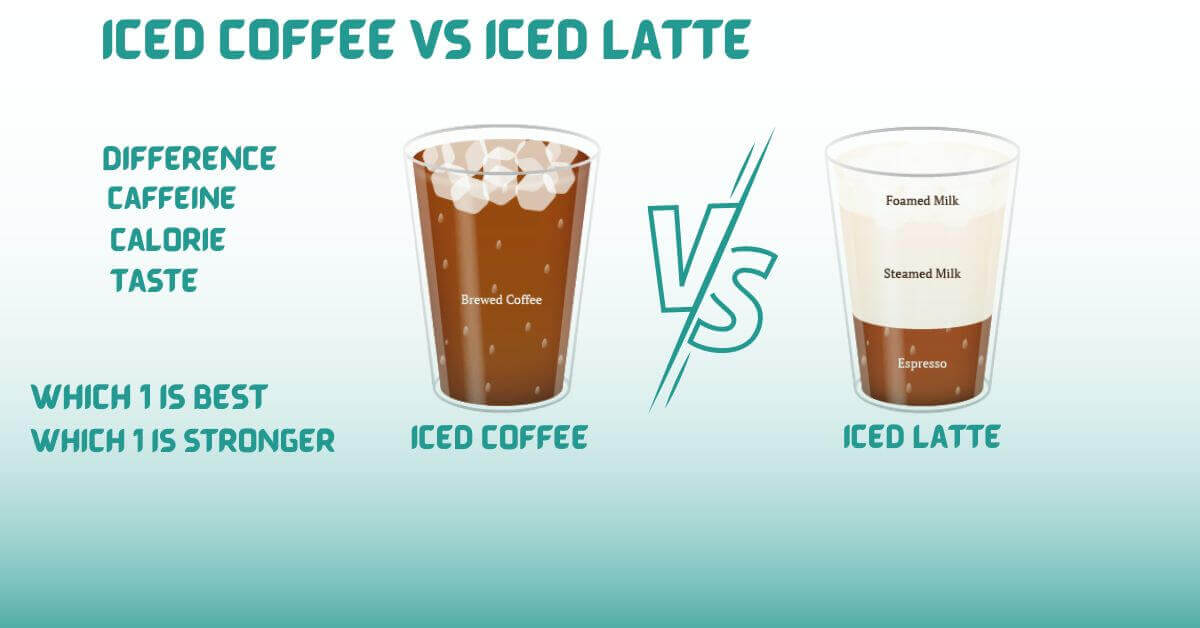
Now, the latte. That’s a different animal entirely. A latte is espresso (a concentrated, syrupy shot) mixed with steamed milk—and yes, it’s traditionally served hot, but the iced version swaps in cold milk.
The ratio is key: one part espresso, three parts milk, and maybe a whisper of foam. It’s not just coffee; it’s a supporting actor for the milk. You taste the creaminess before the caffeine hits.
Cold Brew vs. Iced Coffee: A Quick Tangent
Hold up—before you ask, “What about cold brew?” Let me stop you right there. Cold brew is not iced coffee, and I will fight you on this (maybe over a friendly cup).
Cold brew is steeped in cold water for 12 to 24 hours, which pulls out a smooth, low-acid punch. Iced coffee is just hot coffee that got a cold shower. They’re siblings with very different parenting. But for today’s battle, we’re keeping the focus on iced coffee (the hot-brewed version) versus the iced latte.
The Texture: One is a Punch, the Other a Hug
When you drink iced coffee, it’s a straightforward jolt. The ice cubes clink, the liquid is thin and crisp, and the coffee flavor is front and center. It’s like getting a high-five from a very caffeinated friend.
An iced latte is the opposite. It’s creamy. The milk coats your tongue, and the espresso hides in the background like a quiet genius. You don’t sip it to wake up; you sip it to feel luxurious while pretending to work. (Just me? Okay.)
The texture of a latte is thicker, almost silky. If iced coffee is a splash of cold water, an iced latte is a smooth stone in your hand. You can feel the milk fat in your mouth. It’s a whole vibe.
The Flavor: Bitter vs. Balanced
Here’s the spicy truth: iced coffee is usually more bitter. Why? Because it’s just coffee—no milk to soften the blow. If your barista used dark-roast beans, you might get a smoky, almost angry taste.
 Iced Latte Vs. Iced Coffee: In-Depth Comparison Guide – FDEU
An iced latte is the peacemaker. The milk’s natural sugars and fats round out the espresso’s sharp edges. You get a gentle sweetness, almost like melted ice cream without the guilt. If iced coffee is a punk rock concert, the latte is a jazz bar.
And here’s a pro tip: add a shot of vanilla syrup to a latte, and you’re basically drinking dessert. Do that to iced coffee, and you’re just masking the pain of bad beans. You choose your adventure.
The Caffeine: Who Wins?
Believe it or not, iced coffee often packs more caffeine. A typical iced coffee uses multiple servings of drip coffee, so you’re getting a steady stream of the good stuff. A latte, with its single or double espresso shot, has less liquid but a higher concentration per sip.
But—and this is key—a large iced coffee can have 200–300 mg of caffeine, while a standard iced latte might hover around 150 mg. The latte just feels stronger because espresso hits your bloodstream like a ninja. It’s a psychological trick, but it works.
My unsolicited advice? If you need to survive a 10 AM meeting, go iced coffee. If you need to enjoy a 3 PM slump, grab the latte. Balance, friend.
The Pour: How to Spot the Difference
If you’re ordering at a café, watch how they make it. An iced coffee is often poured over a full cup of ice, no milk until you add it. The color is dark, like melted pennies. A latte, however, is layered: the espresso sits on top of the milk like a dark cloud, and the barista might even swirl it into art.
At home, you can fake it. Make strong drip coffee, chill it, and pour over ice—that’s your iced coffee. For a latte, brew double-strength espresso (or strong coffee), shake it with ice and milk in a jar, and pour. Instant cafe vibes. Just don’t tell the barista.
The Verdict (And Why It Matters)
So, which one is better? There is no winner, obviously. It’s like asking if you’d rather wear sneakers or sandals—depends on the weather and your mood.
Iced coffee is for the purist: no fluff, just caffeine and a slight edge. The latte is for the poet: creamy, indulgent, and perfect for slow mornings. Both are valid forms of therapy.
Next time you’re at the counter, don’t be me—don’t freeze up. Say the name with confidence. And if the barista gives you a look, just shrug and say, “I know what I’m getting into.” You do now. Cheers to cold drinks and warm clarity.
